
Furniture Solutions
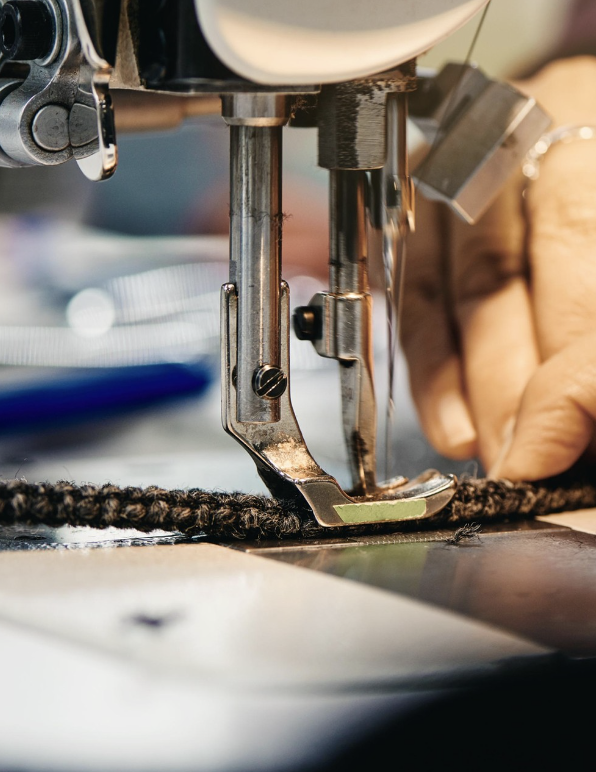
The most sustainable environments are often the ones that never need to be completely replaced.
Furniture systems today must support movement:
organizations grow,
teams reorganize,
hybrid work shifts,
spaces change purpose,
and environments are expected to evolve without starting over.
WestonHawaii works with architects, designers, dealers, contractors, and organizations to help align furniture decisions with how spaces actually function over time — balancing flexibility, durability, maintenance, comfort, and long-term operational value.
Some systems are designed by the inch.
Some are built to move and reconfigure.
Some are engineered to remain relevant for decades through adaptable components, repairability, and timeless material selection.
The goal is not simply to furnish a space.
It is to help create environments that continue performing long after opening day.
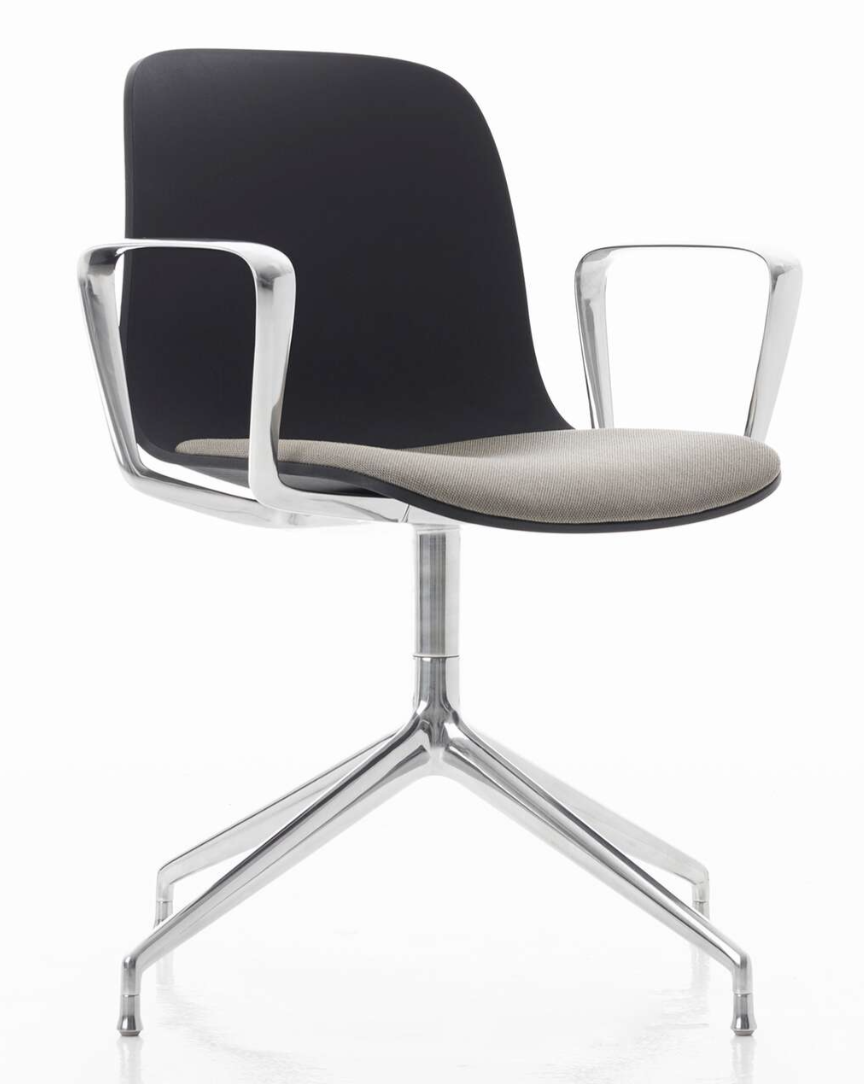
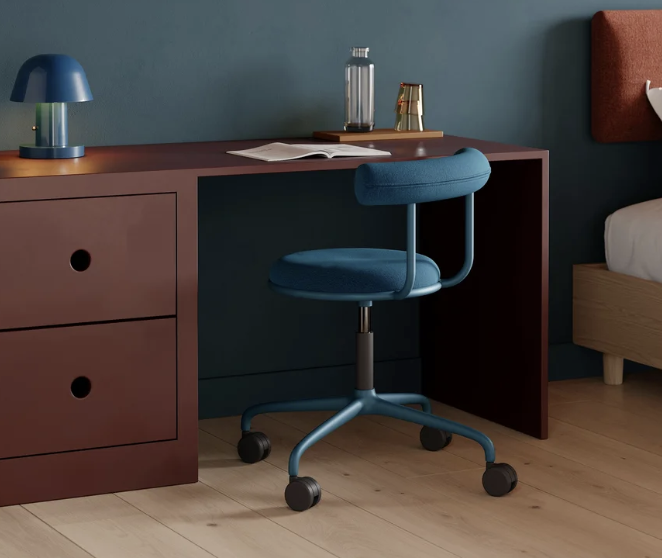
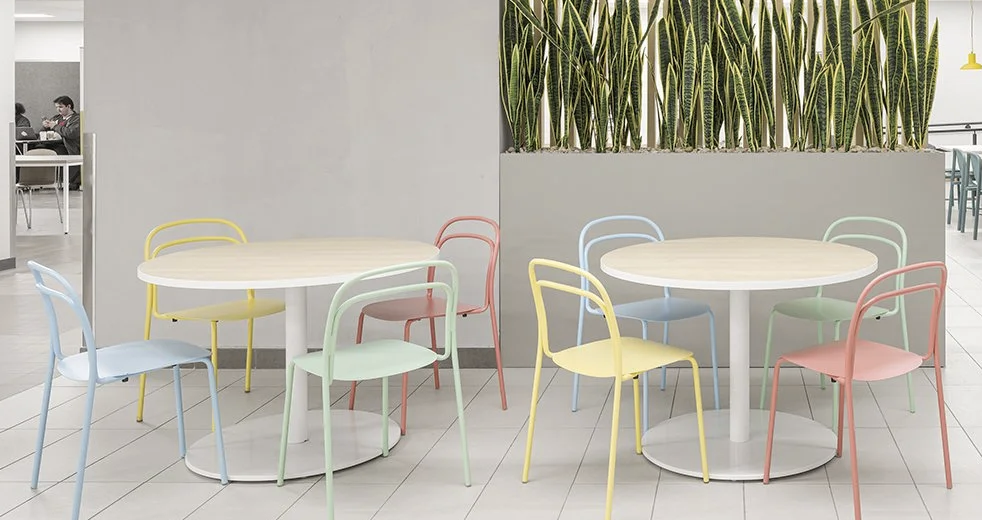
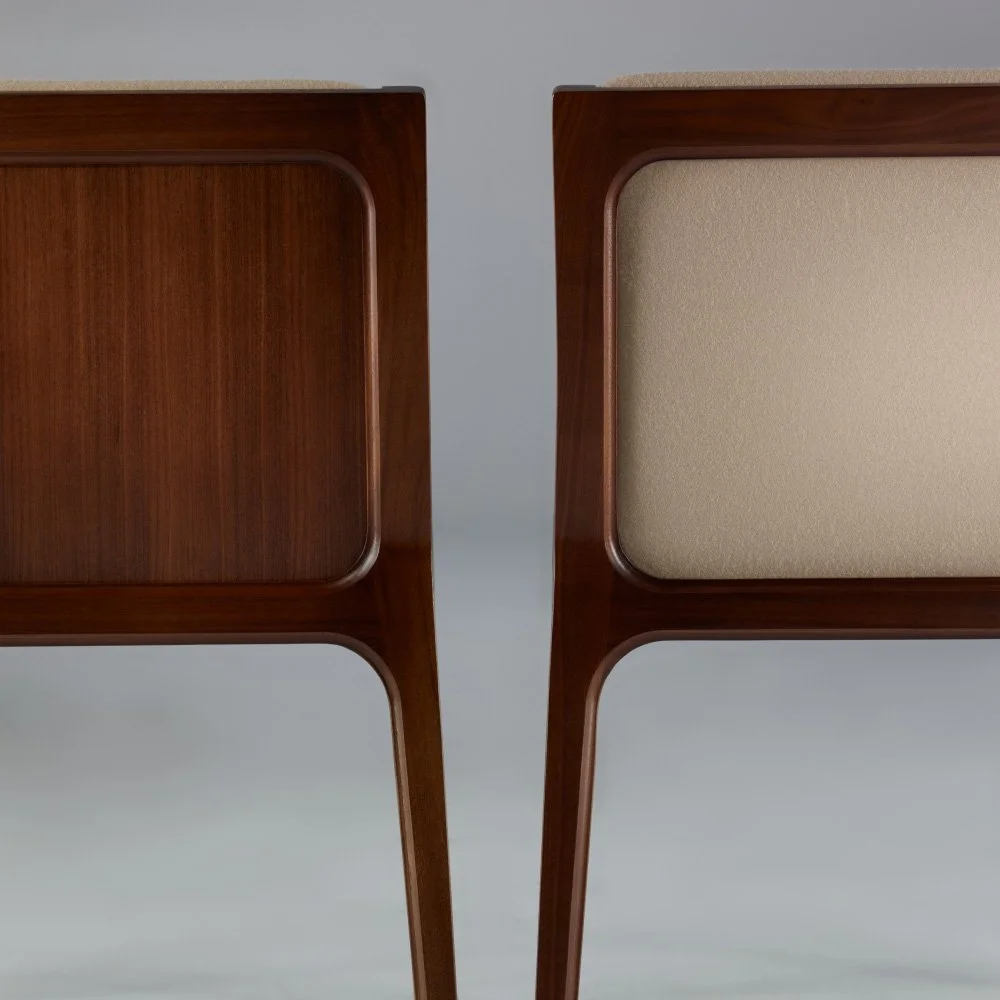
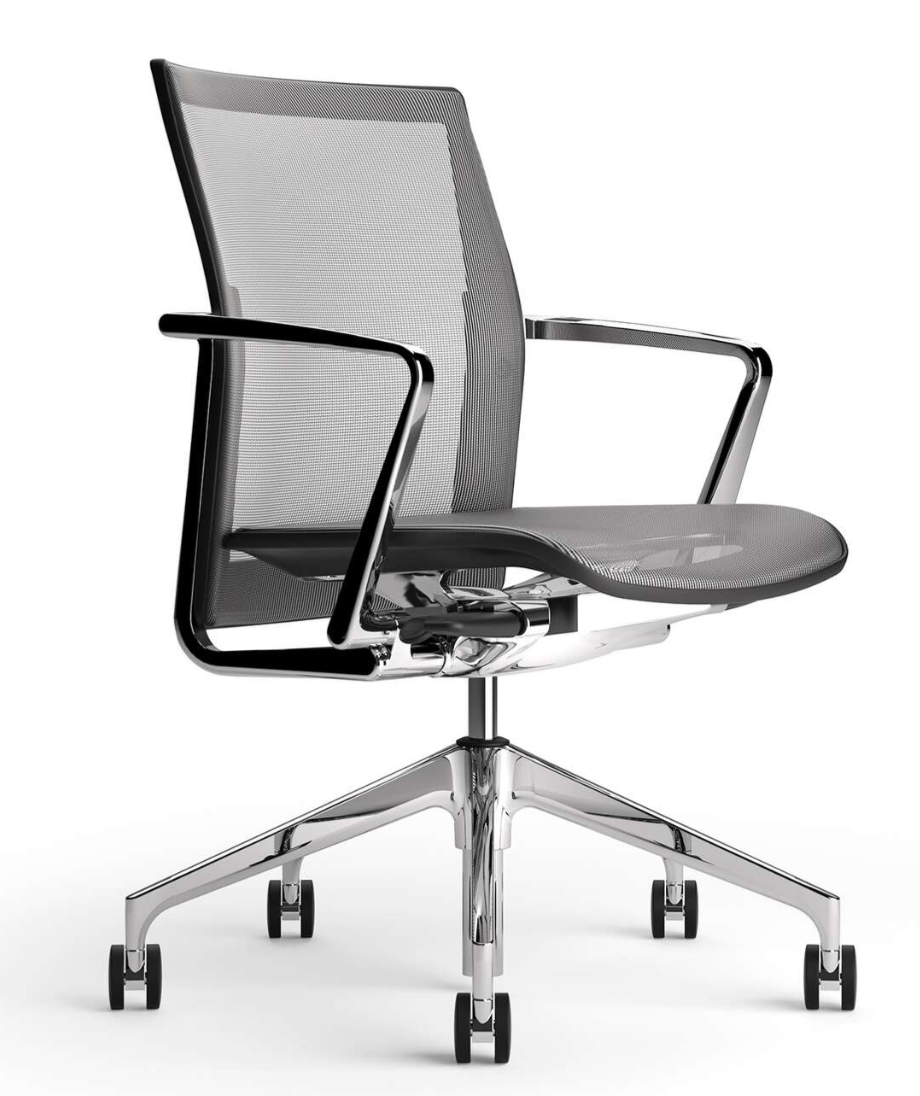
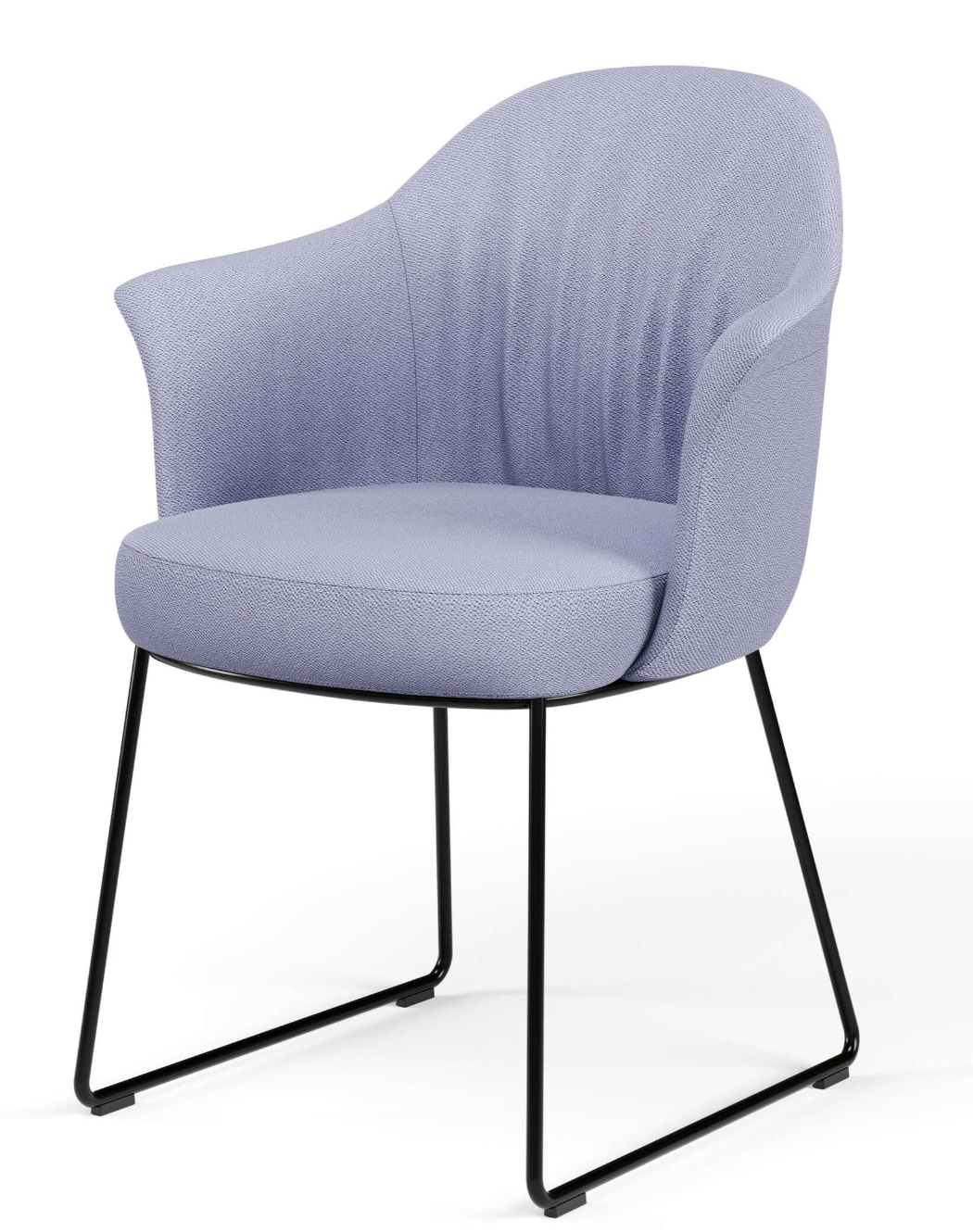
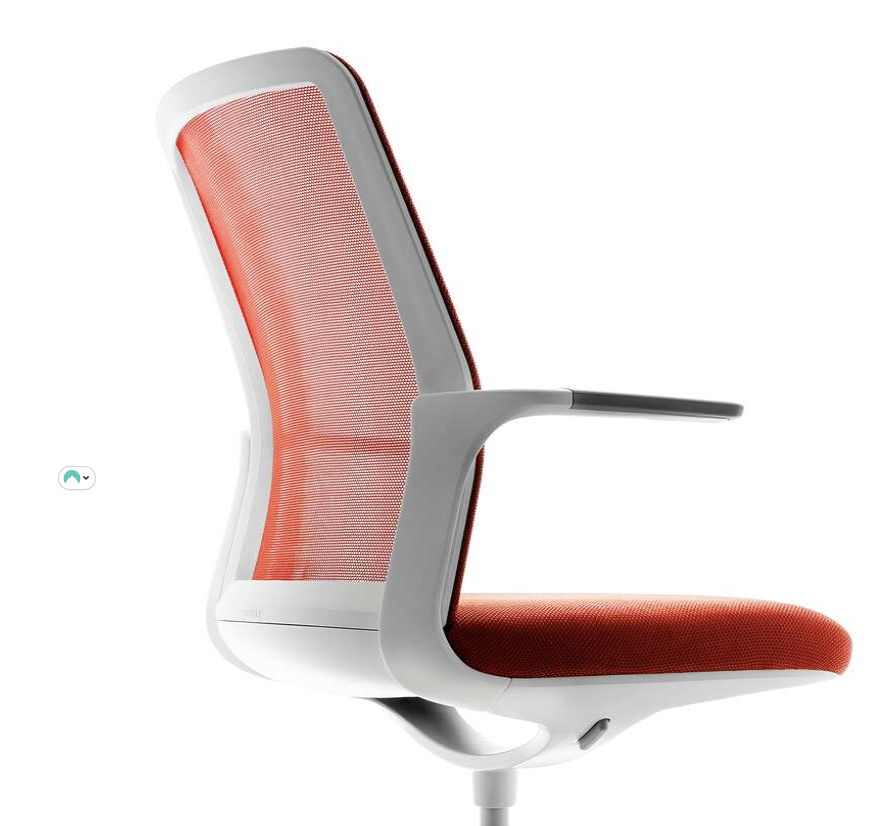
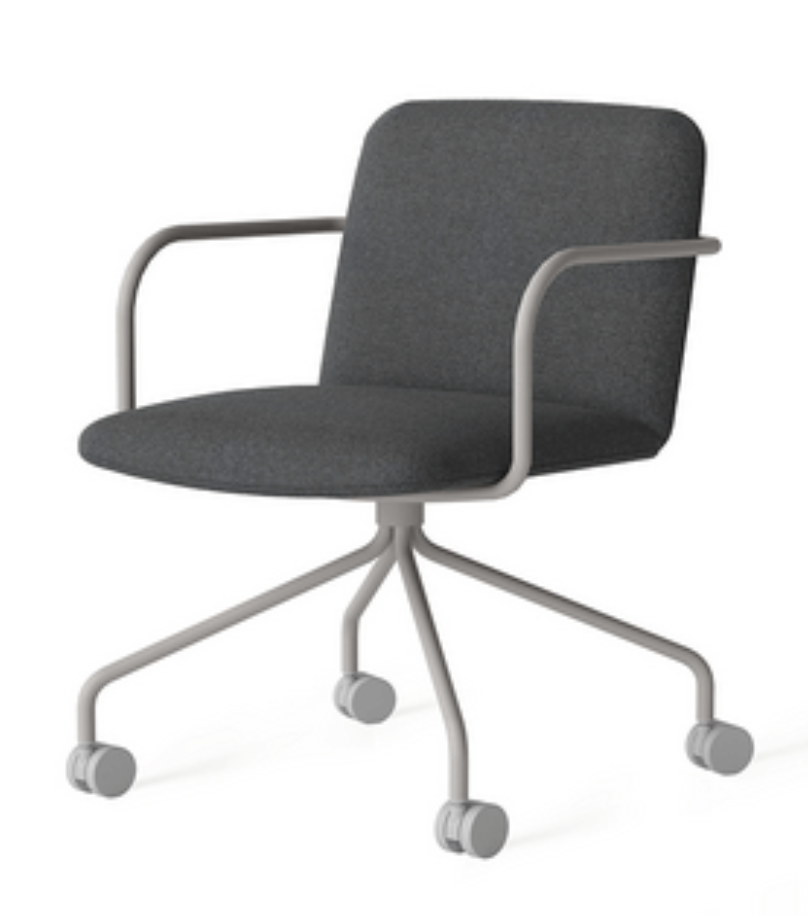
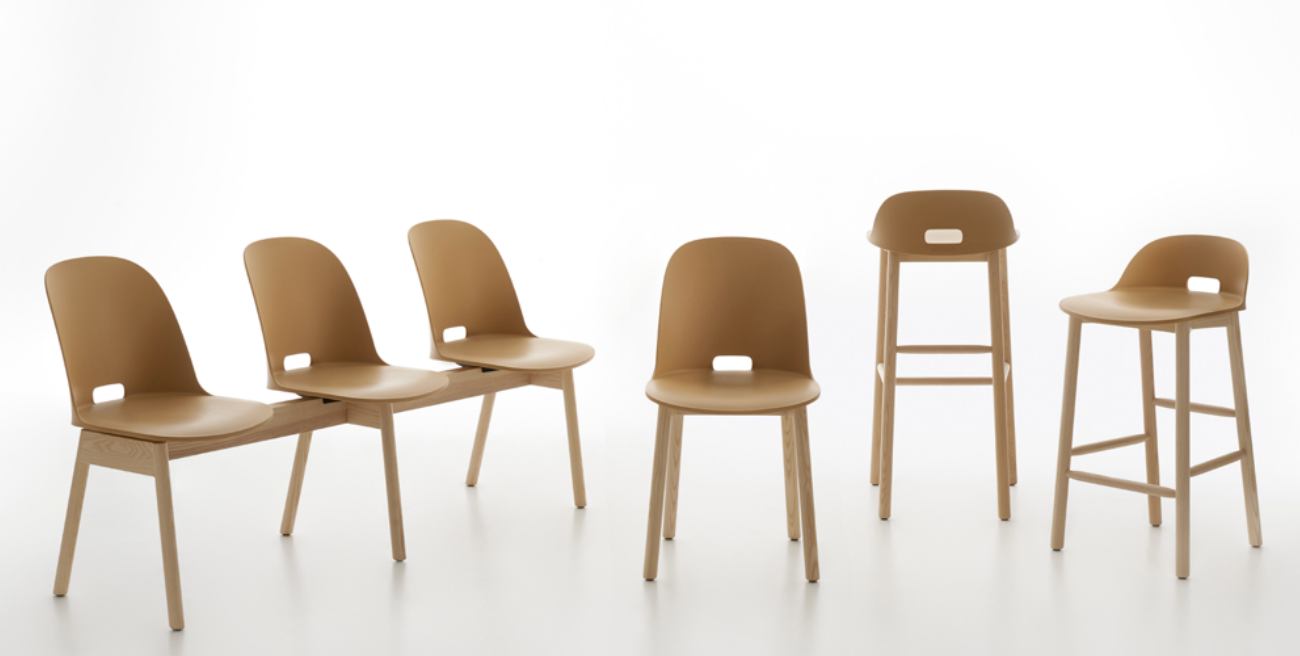
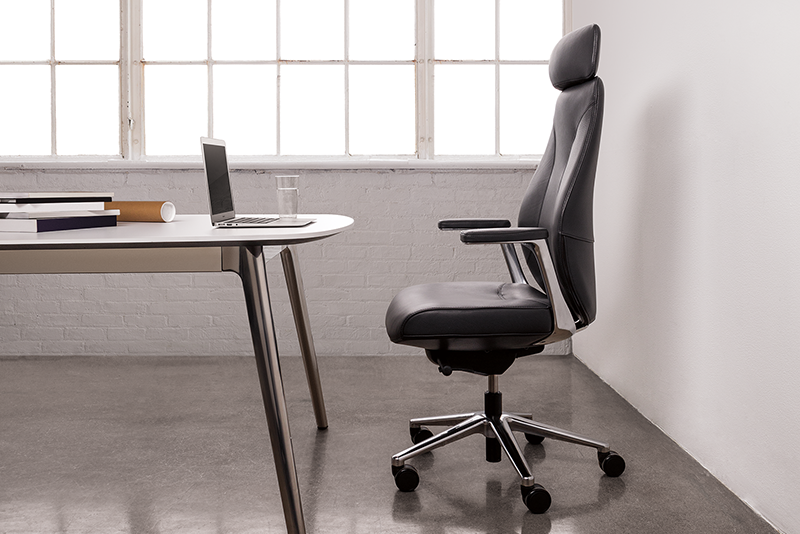
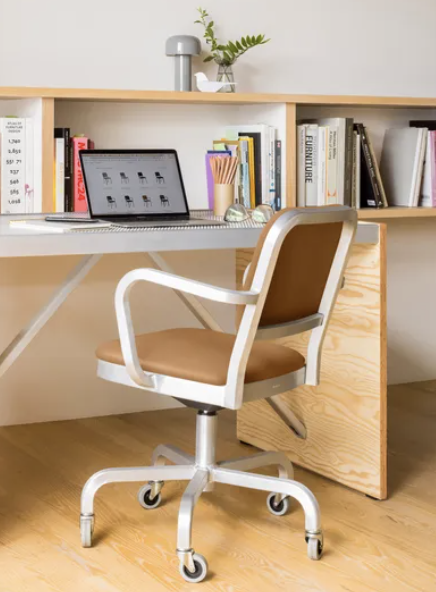
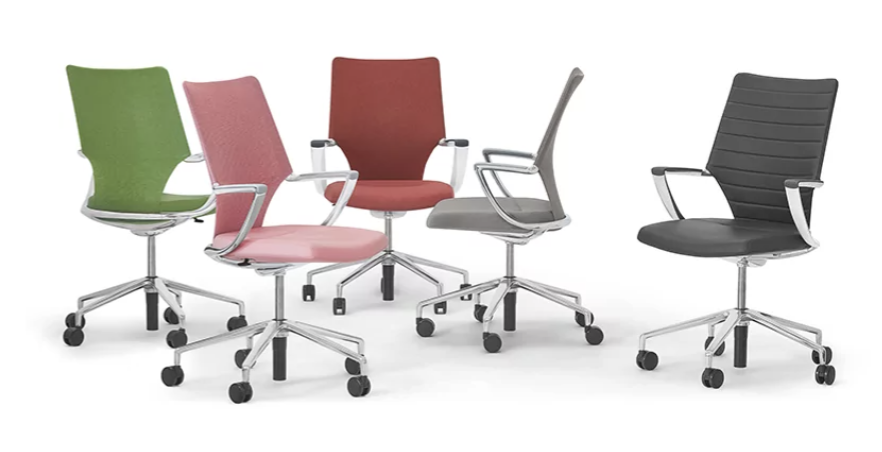
Chairs shape how people experience time.
A quick meeting feels different from a two-hour conversation.
Waiting feels different from belonging.
Learning feels different from relaxing.
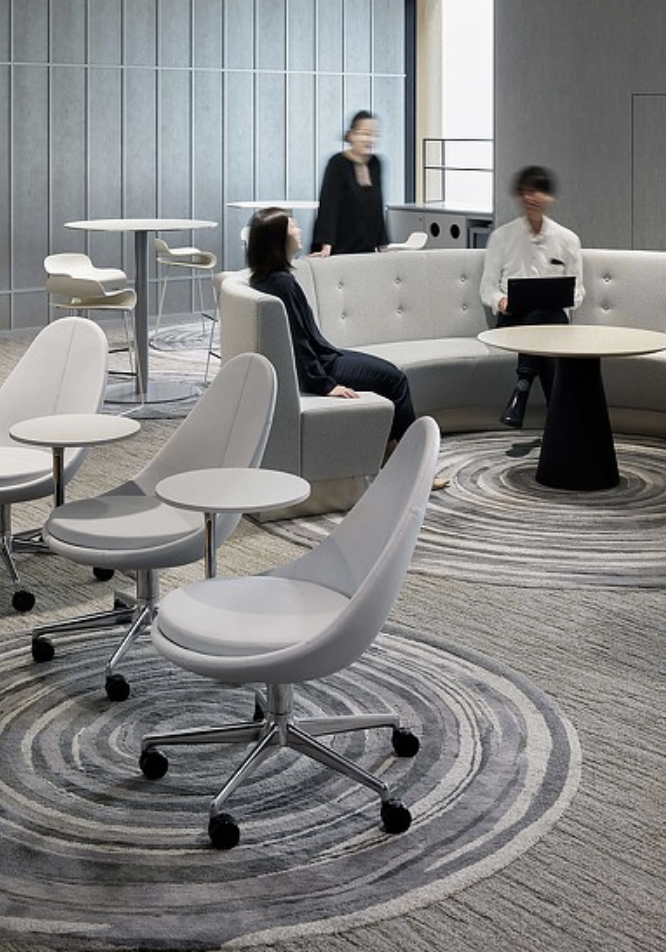
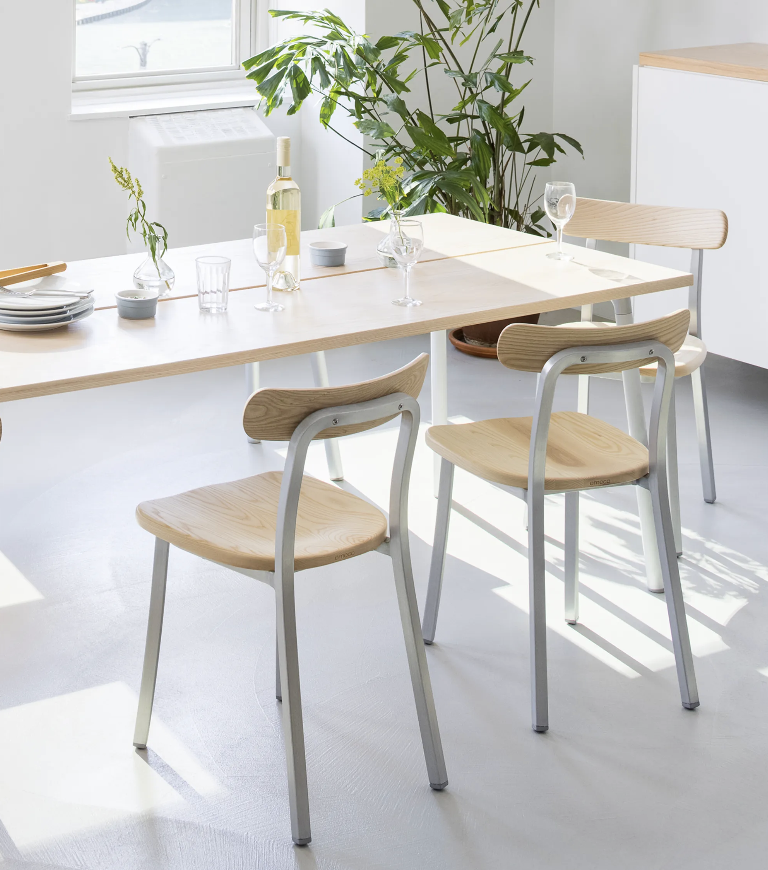
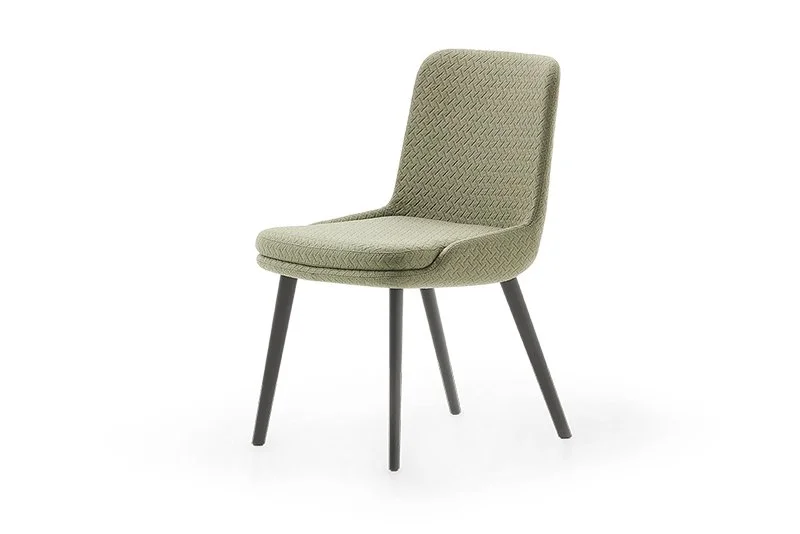
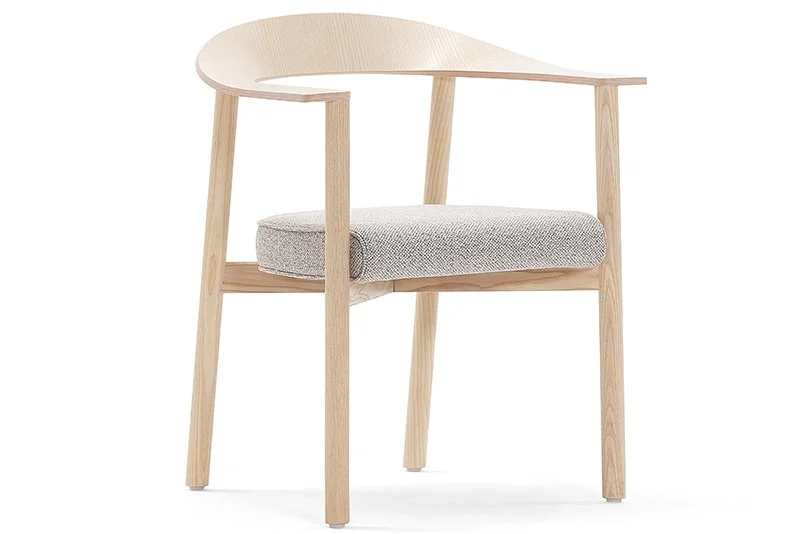
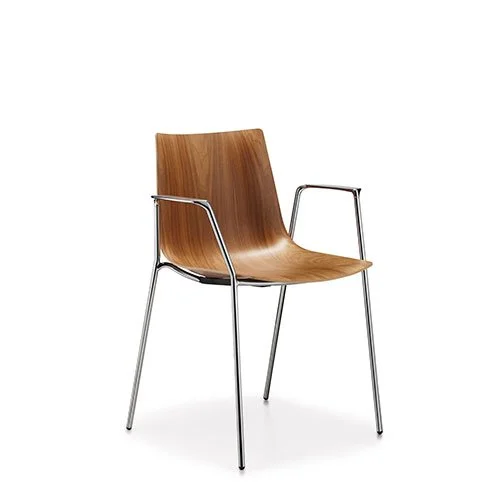
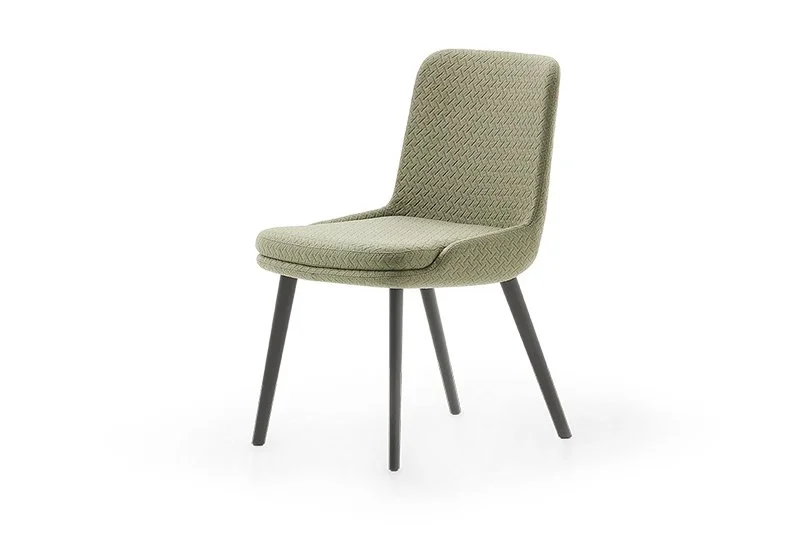
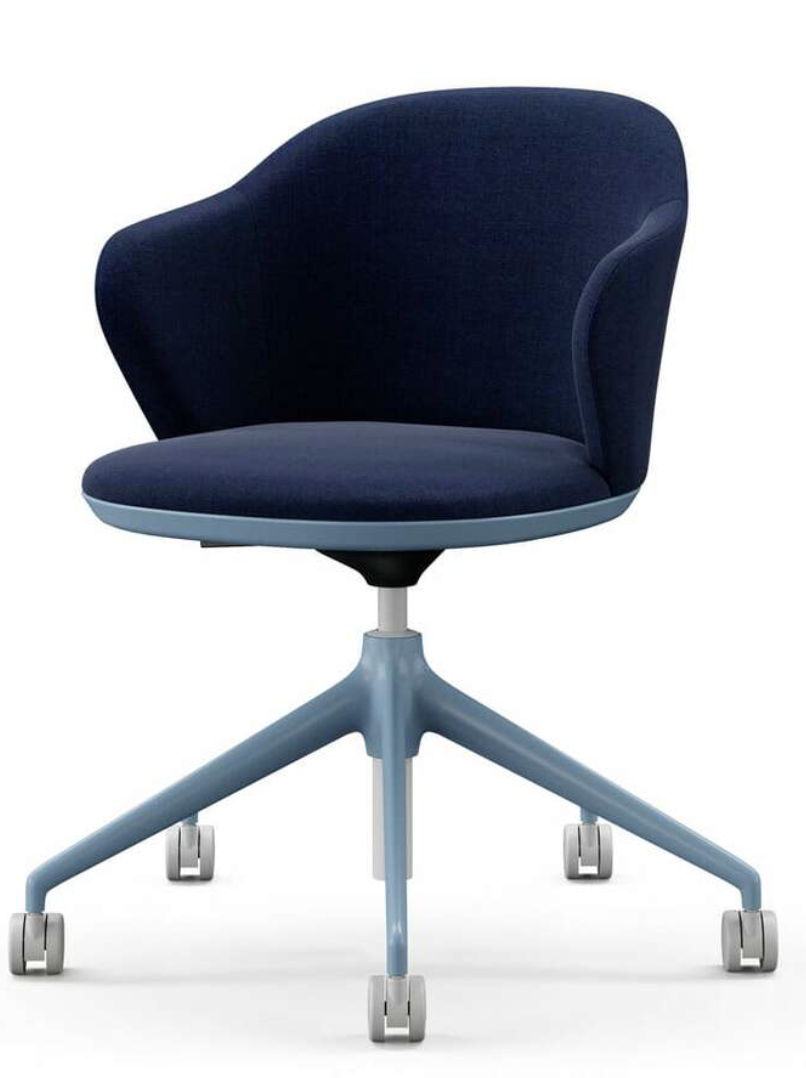
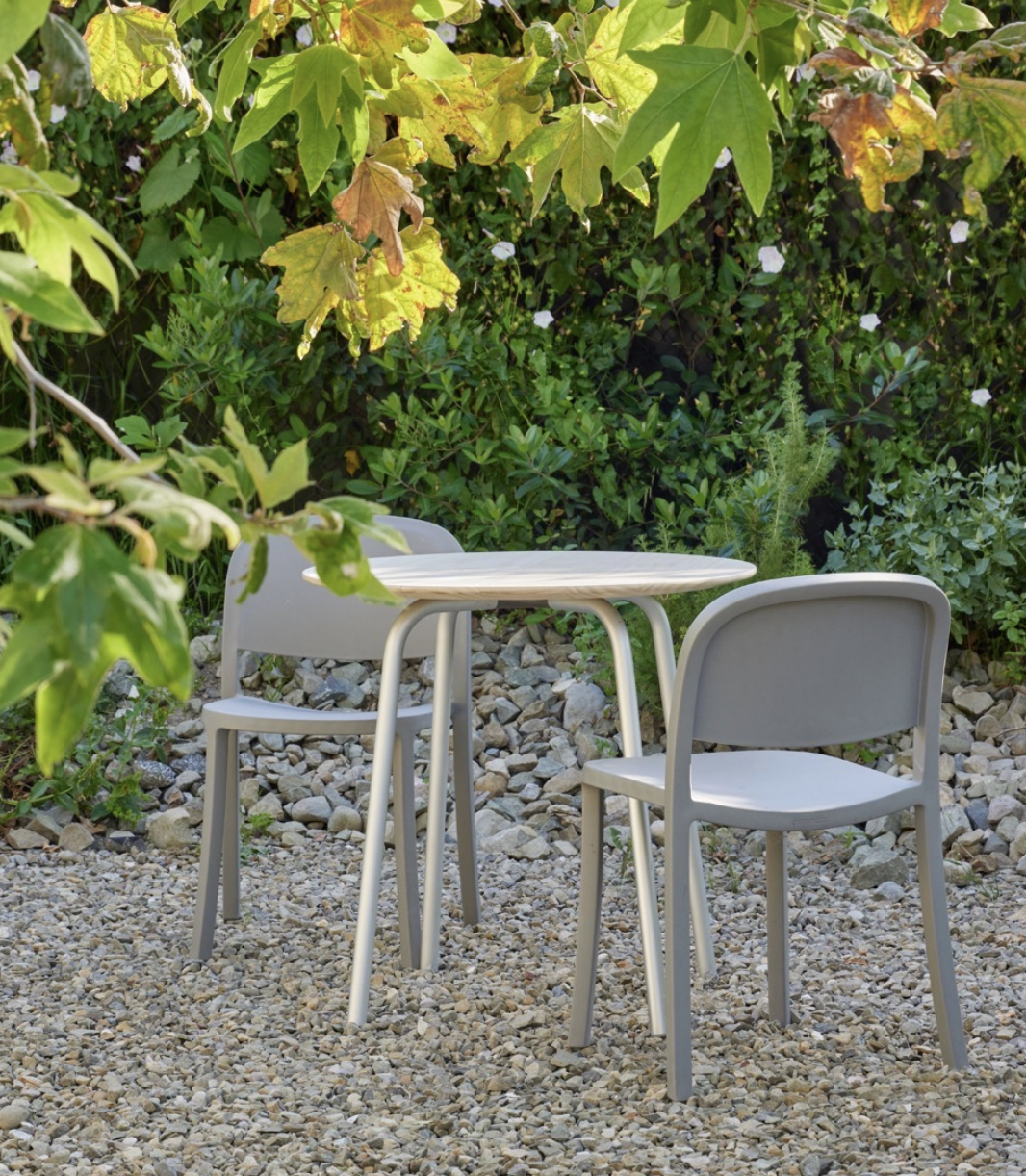
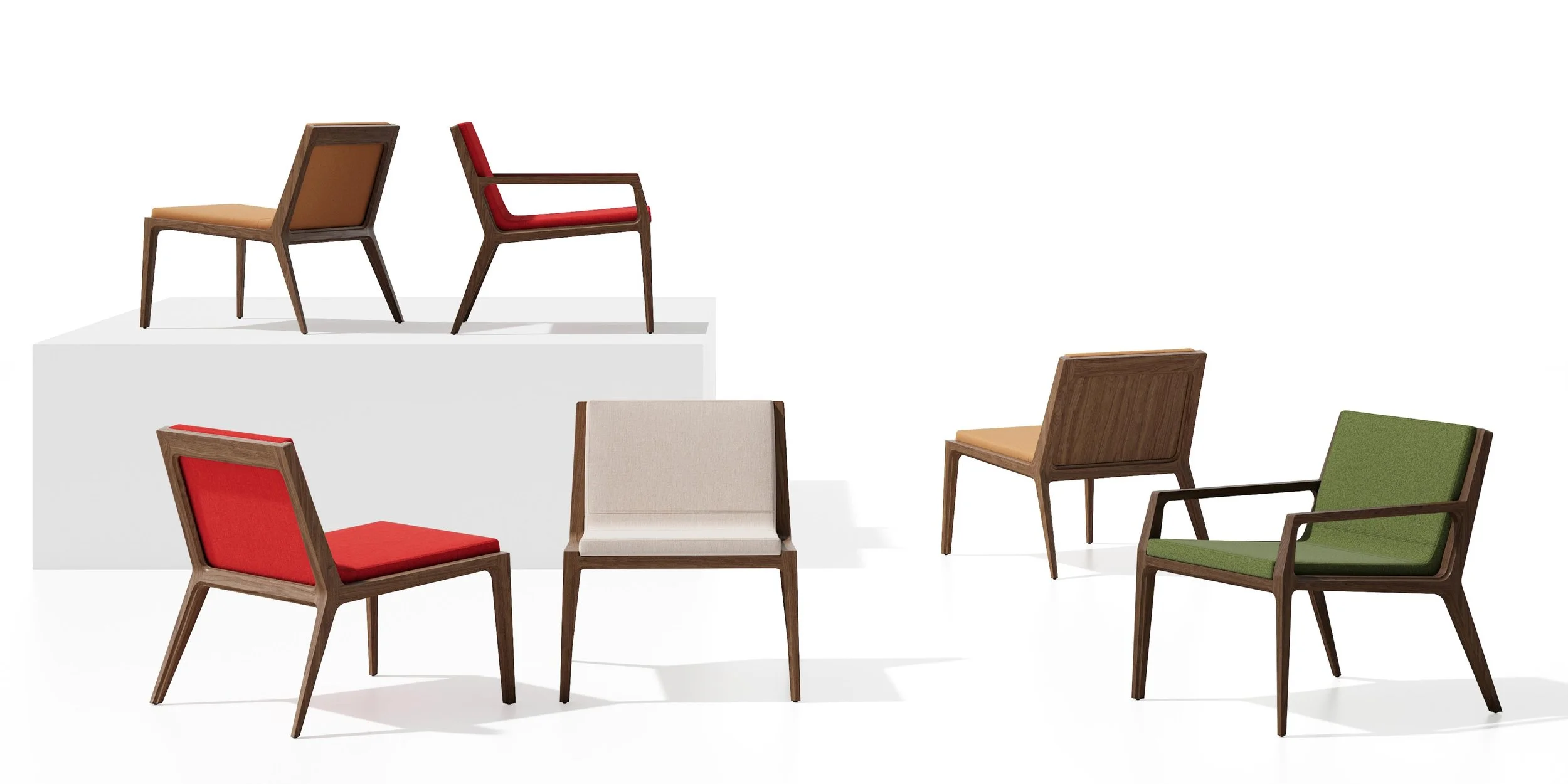
Stacking, nesting, task, lounge, guest, meeting, indoor, outdoor — each supports a different kind of human behavior.
The best seating solutions balance comfort, durability, movement, maintenance, and flexibility over years of daily use.
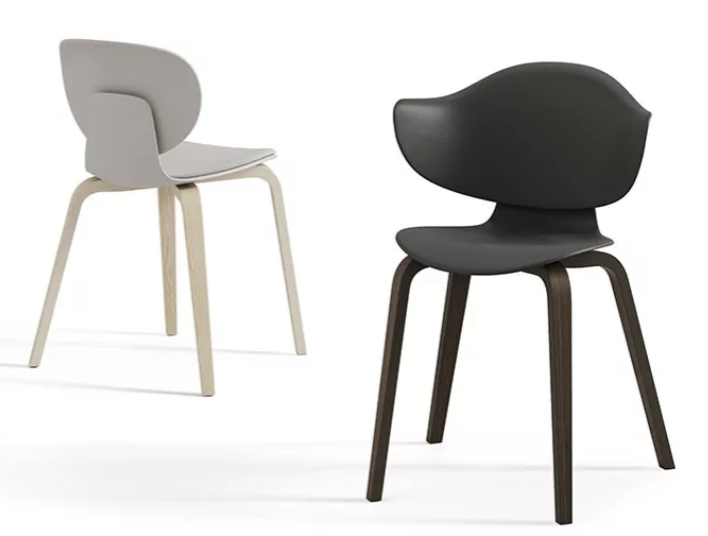
Chairs
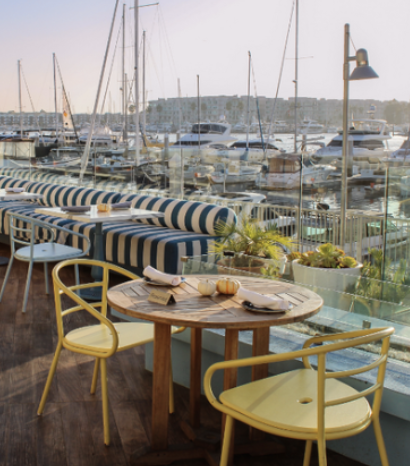
Tables
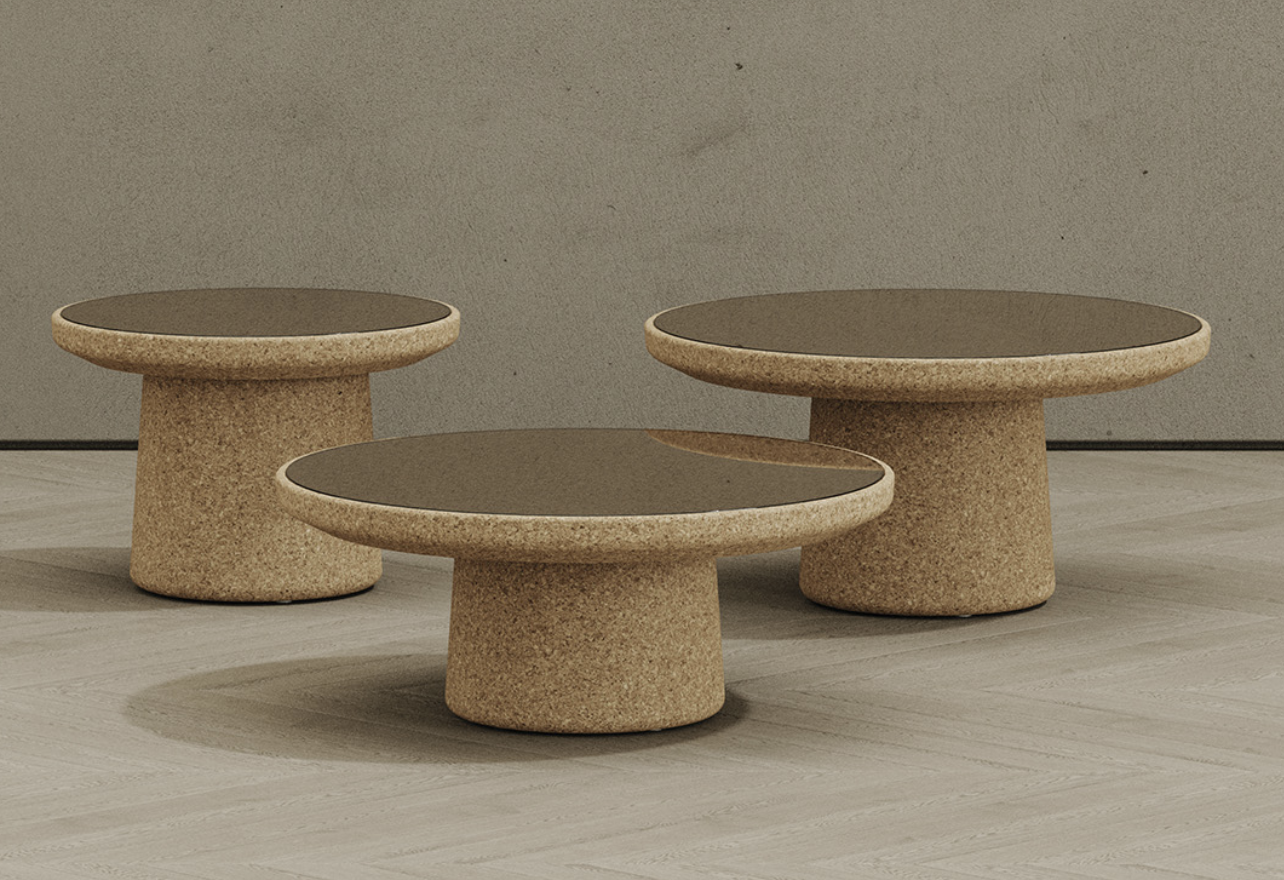
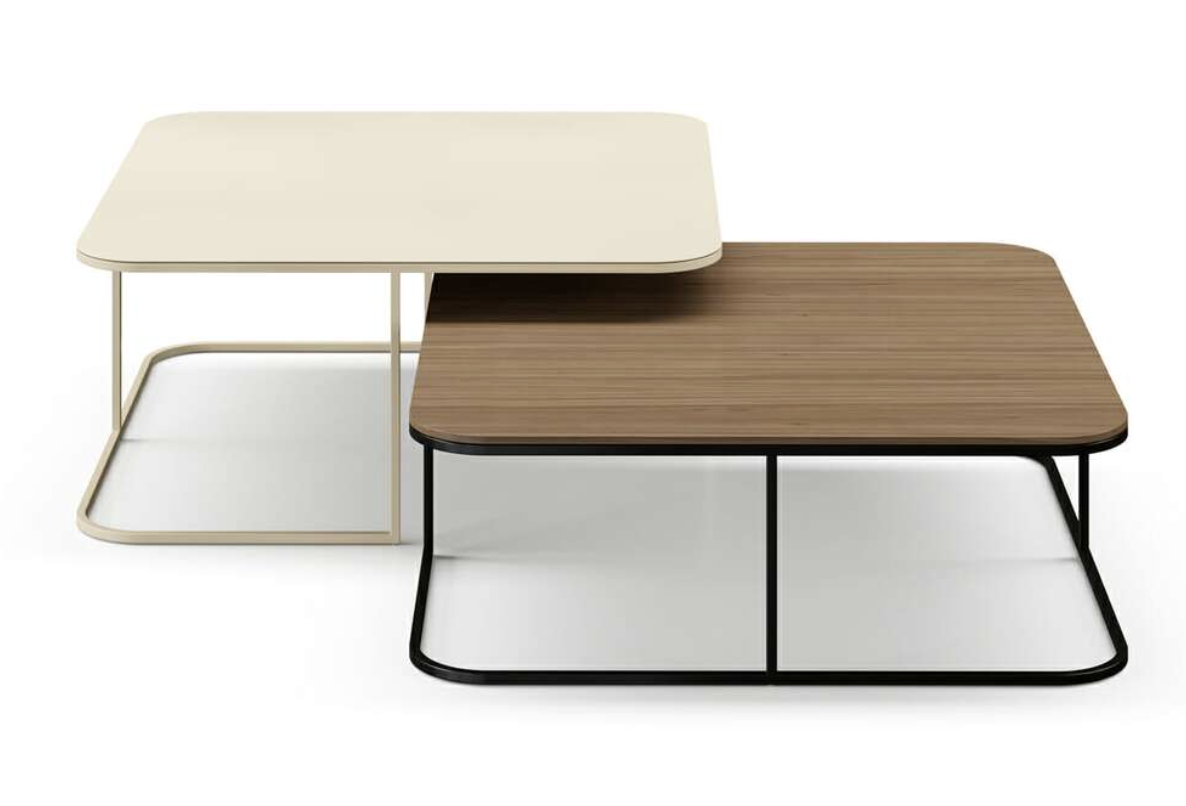
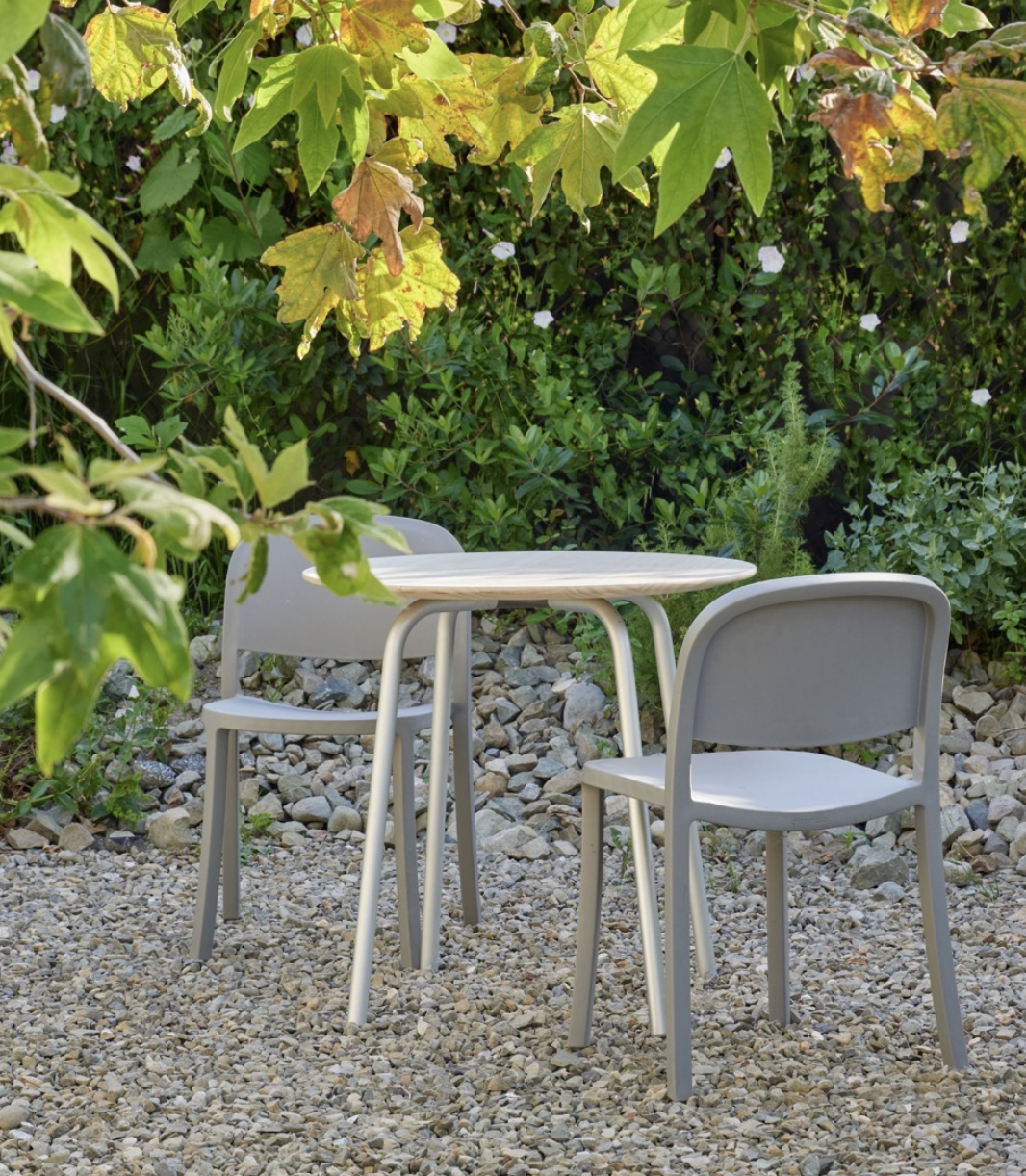
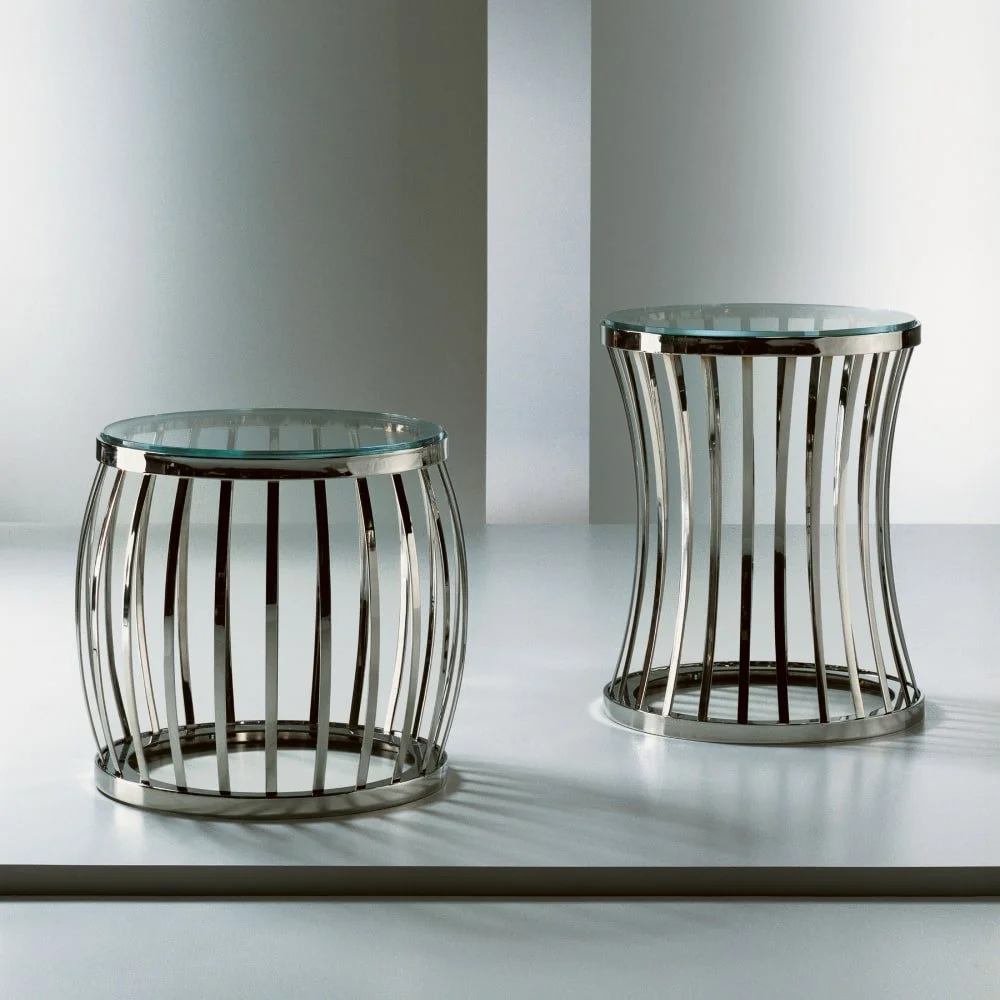
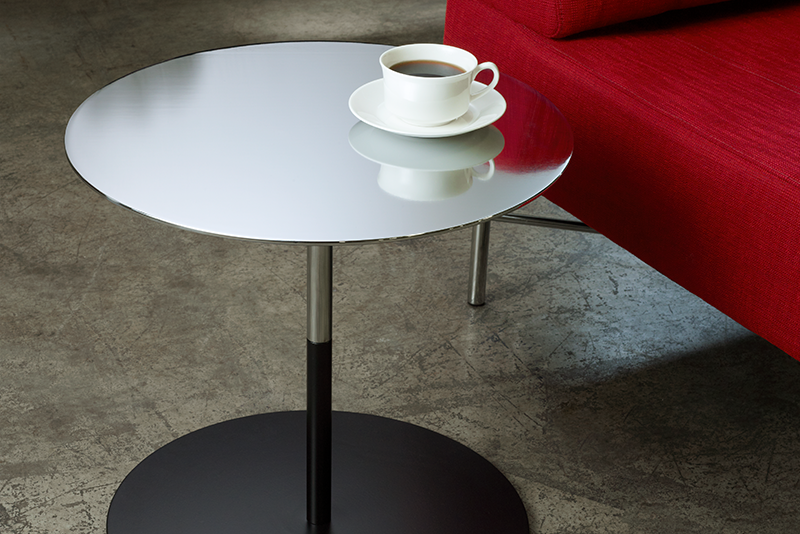
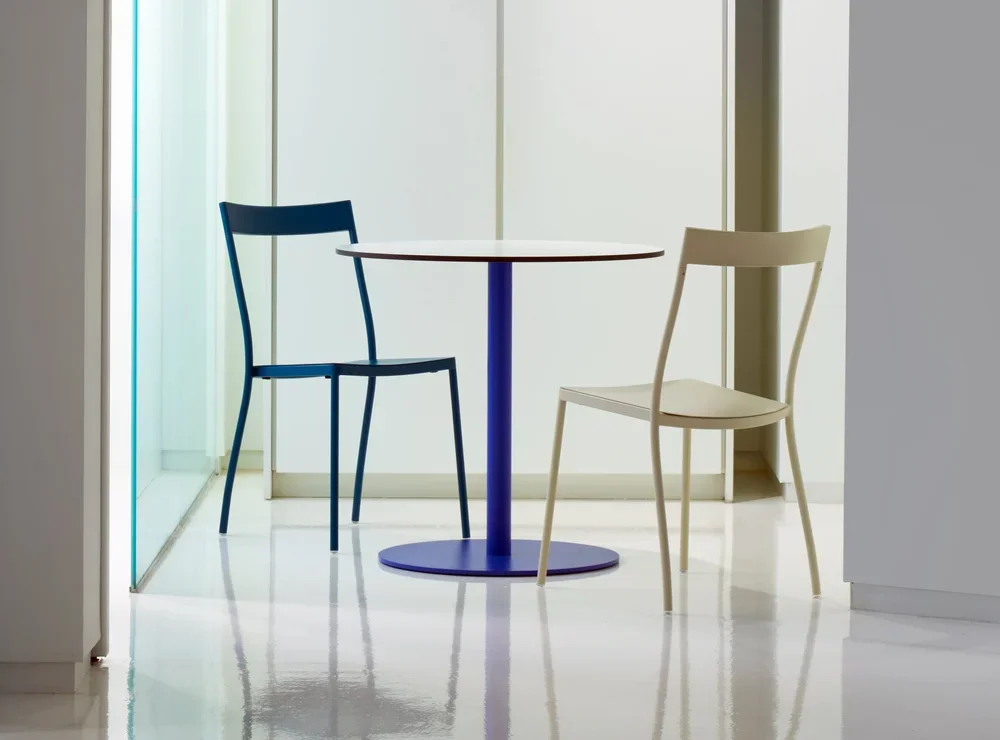
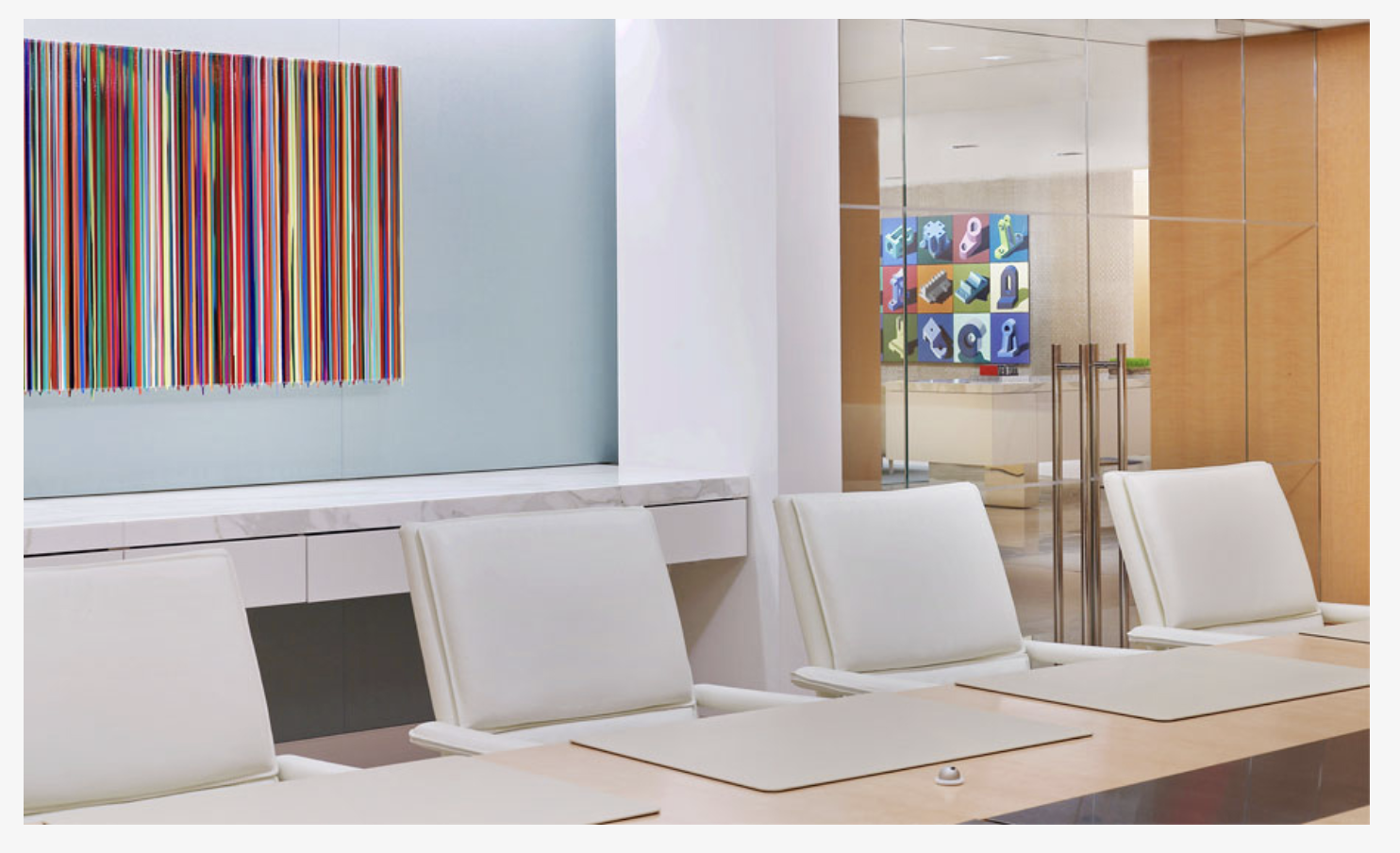
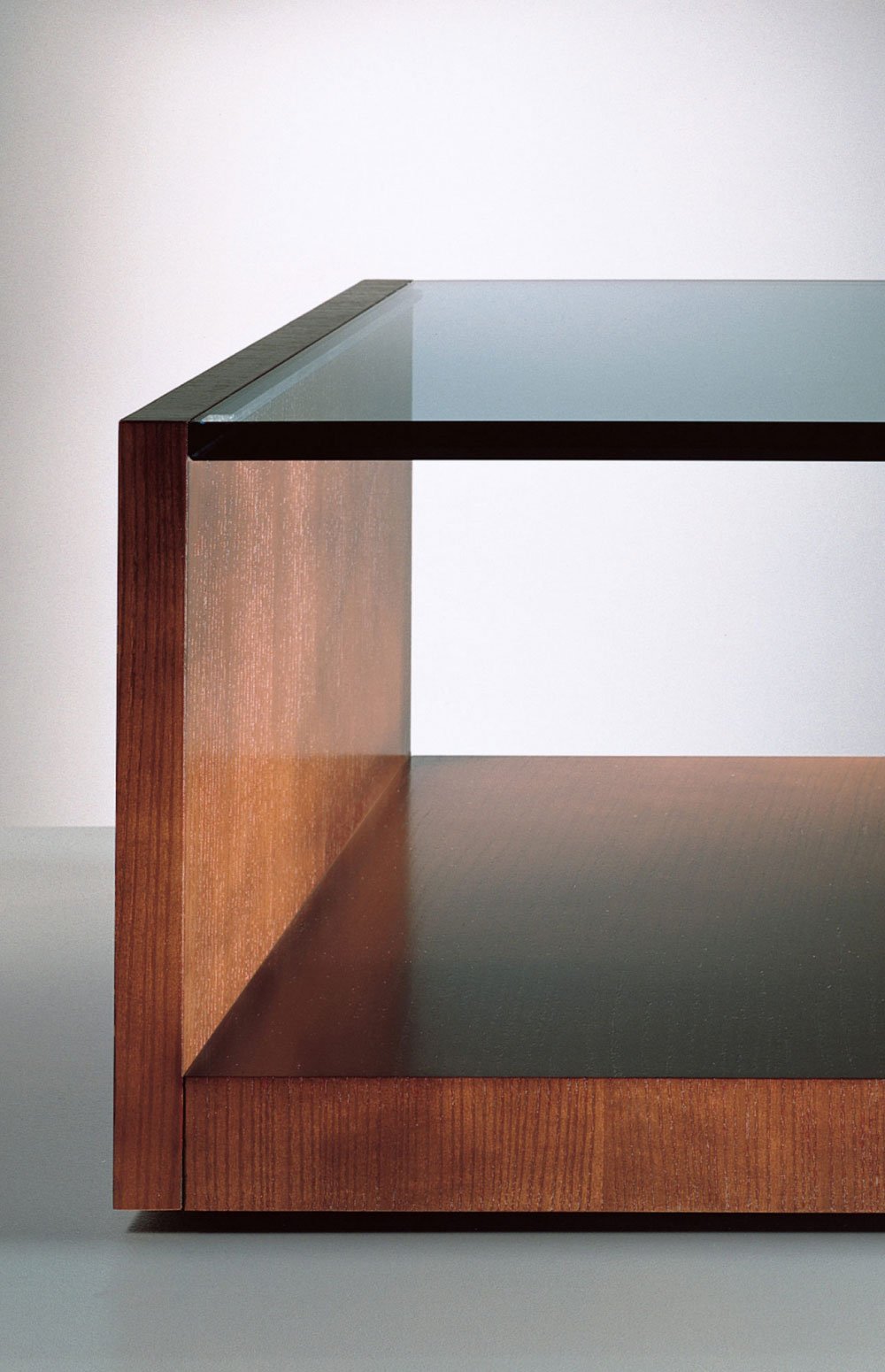
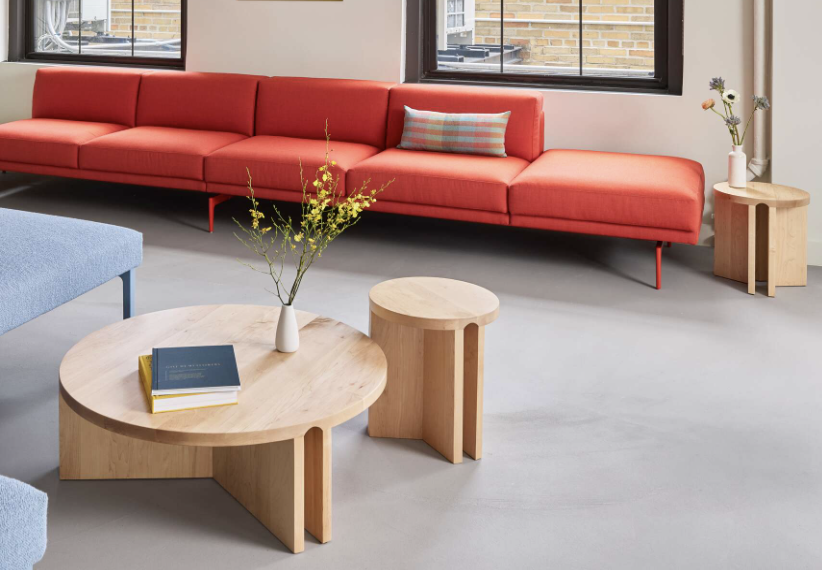
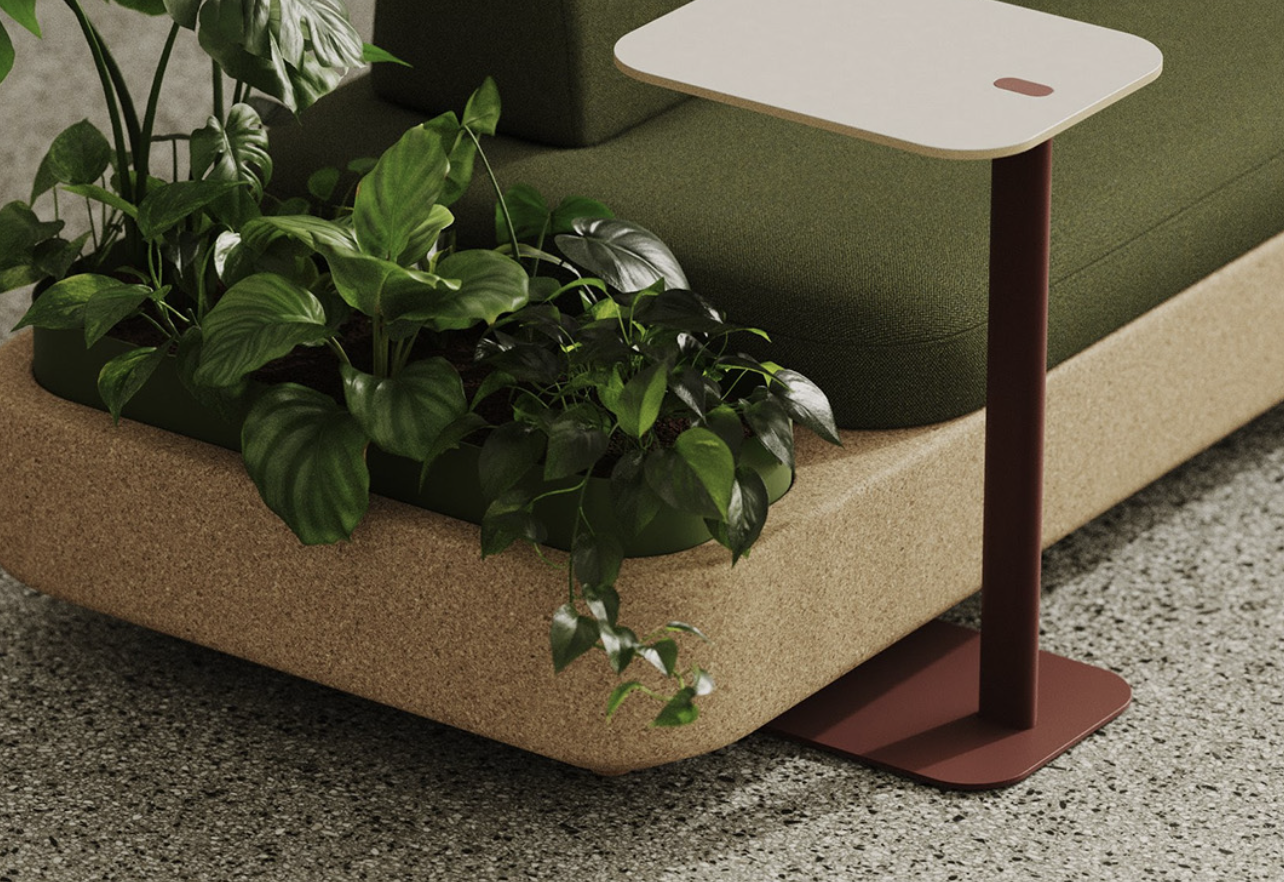
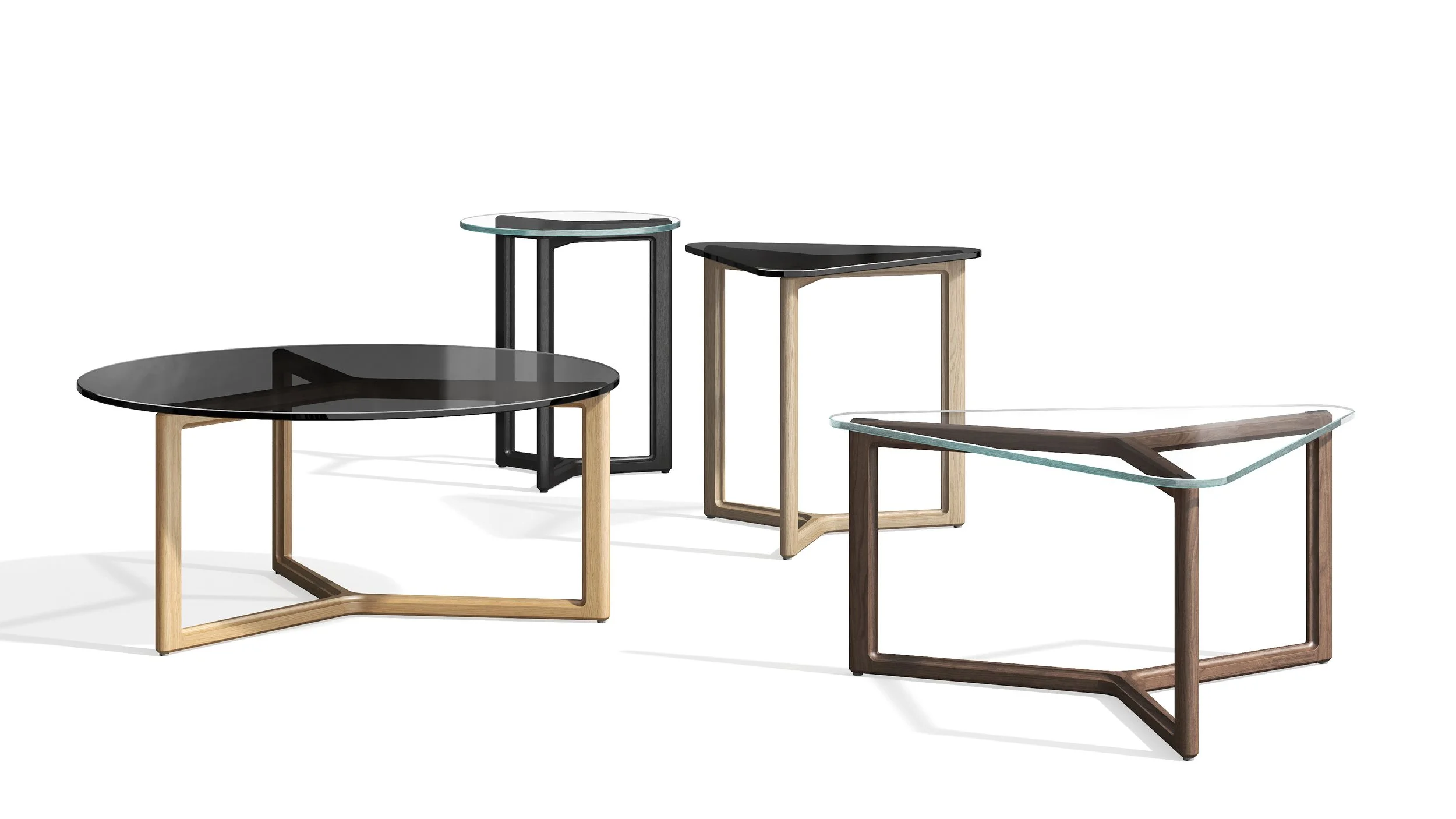
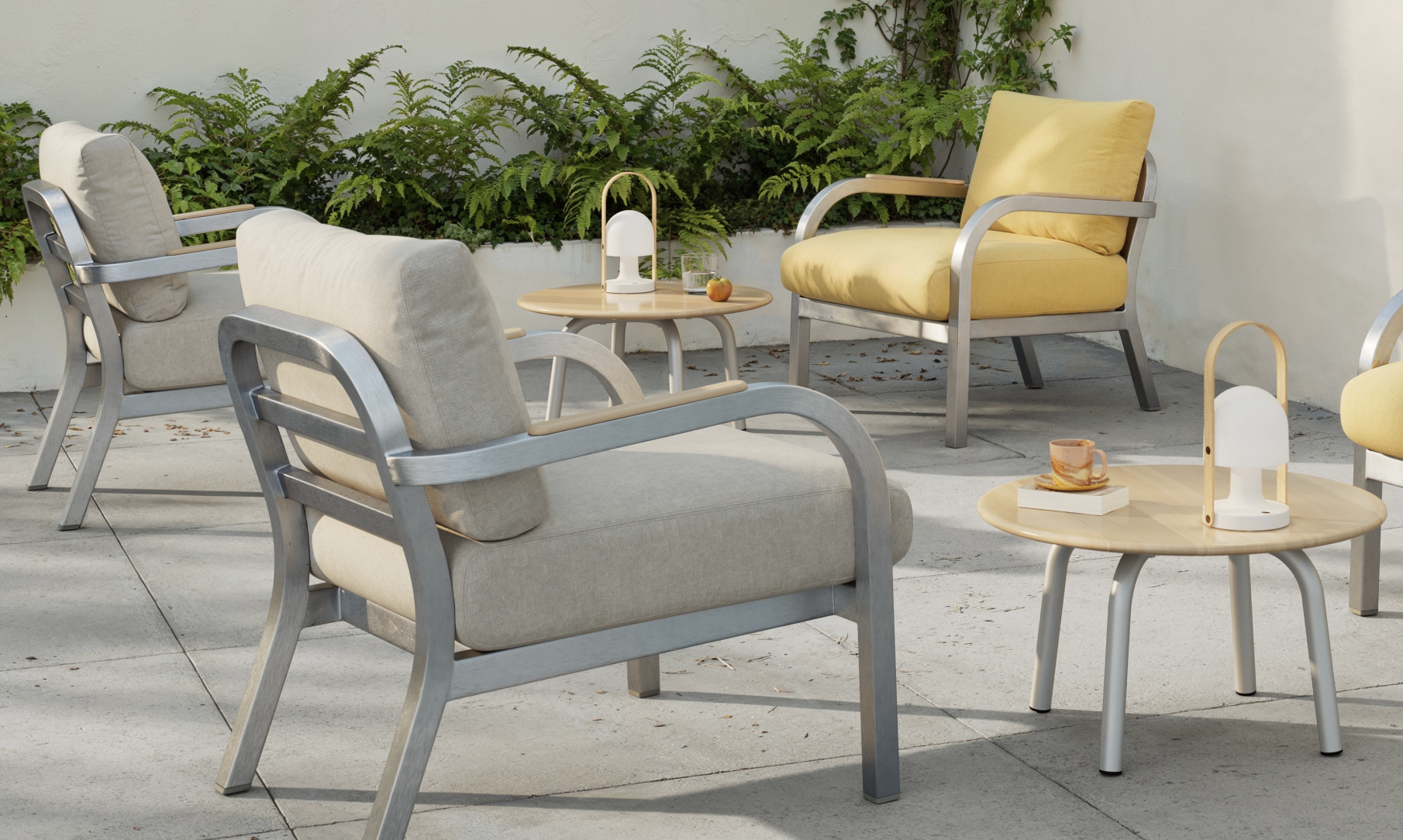
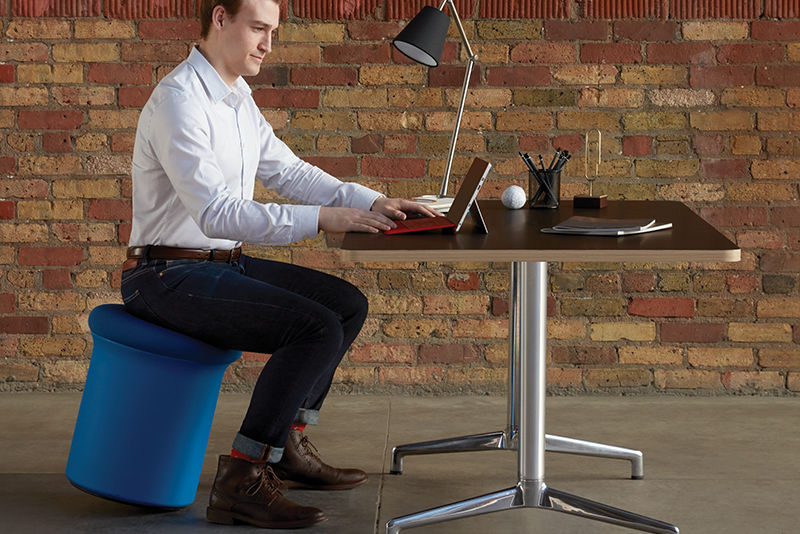
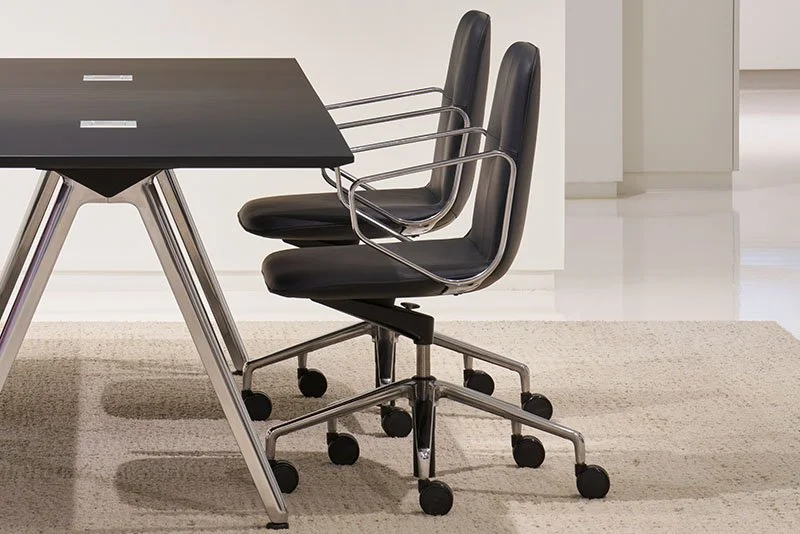
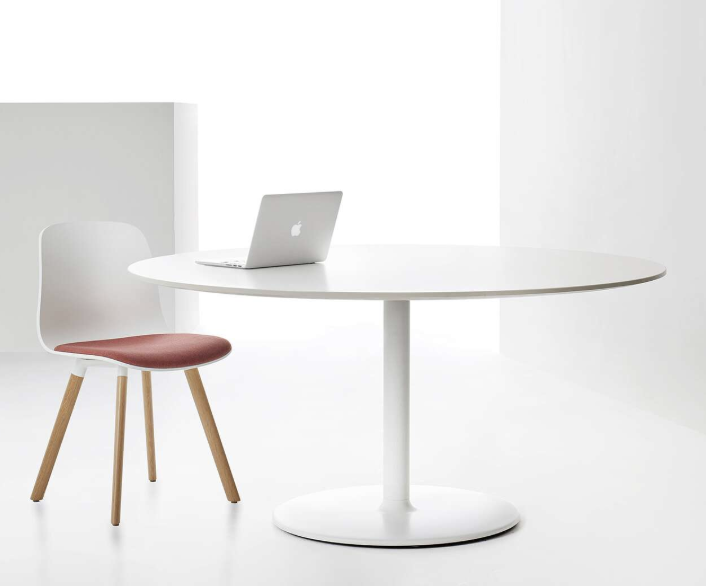
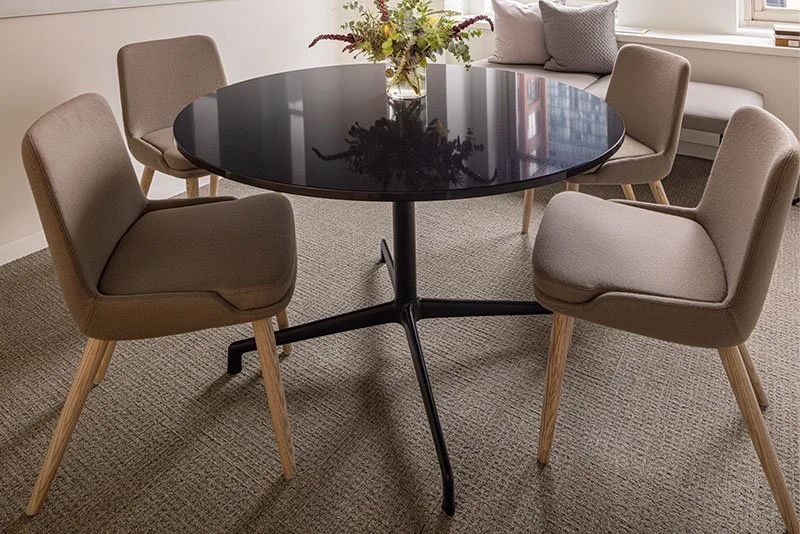
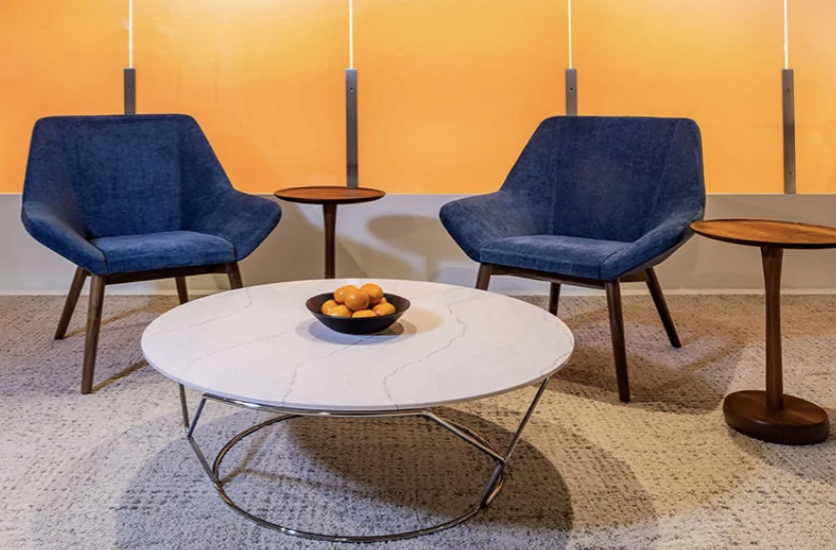
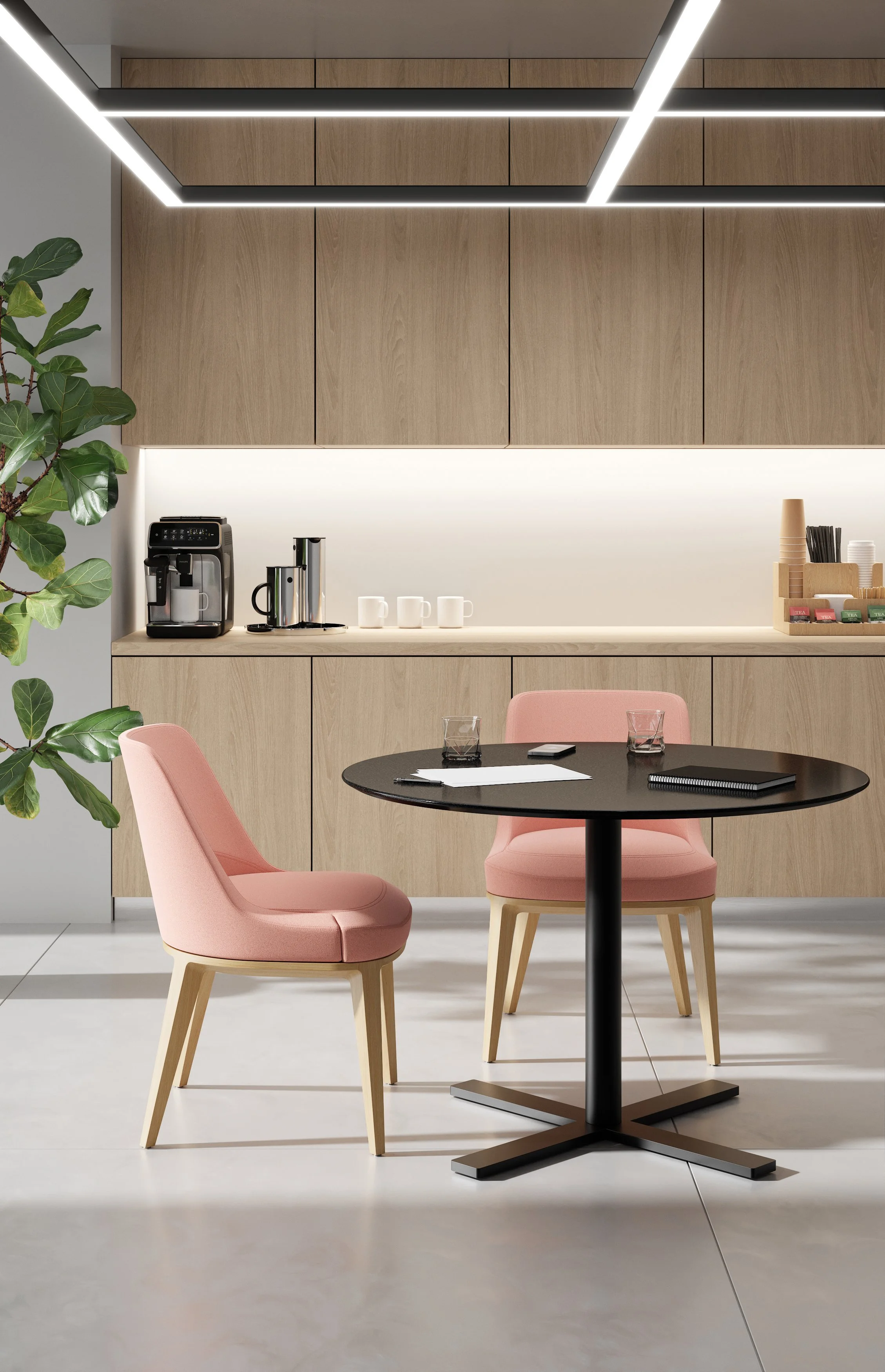
Tables anchor a space. They define how people gather, how work unfolds, and how long someone stays.
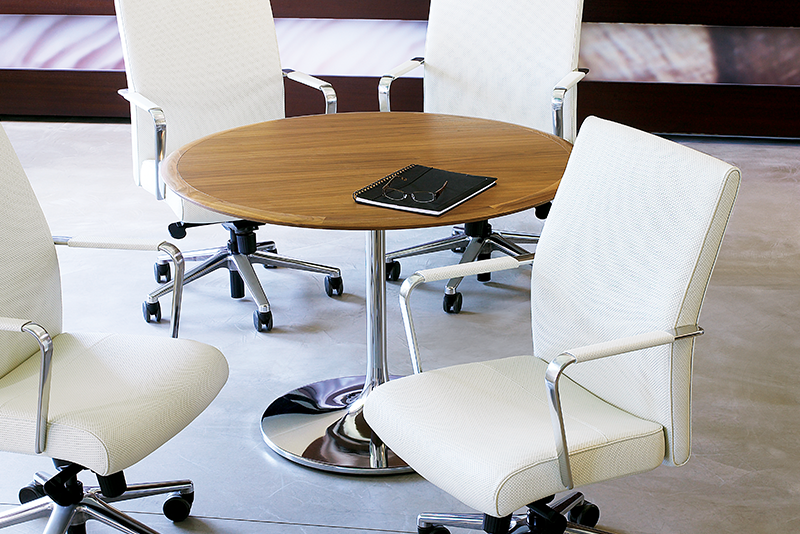
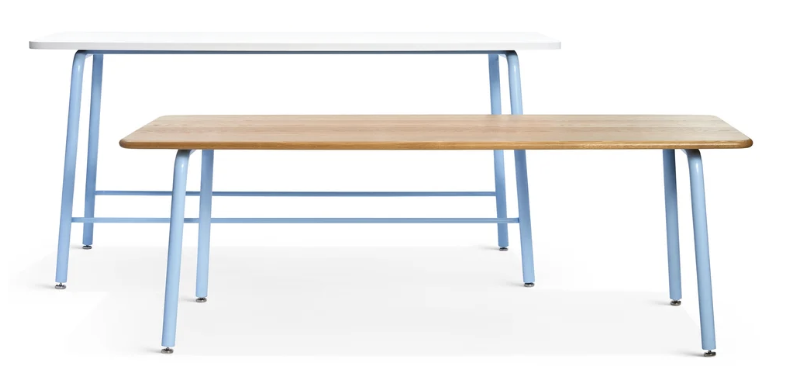
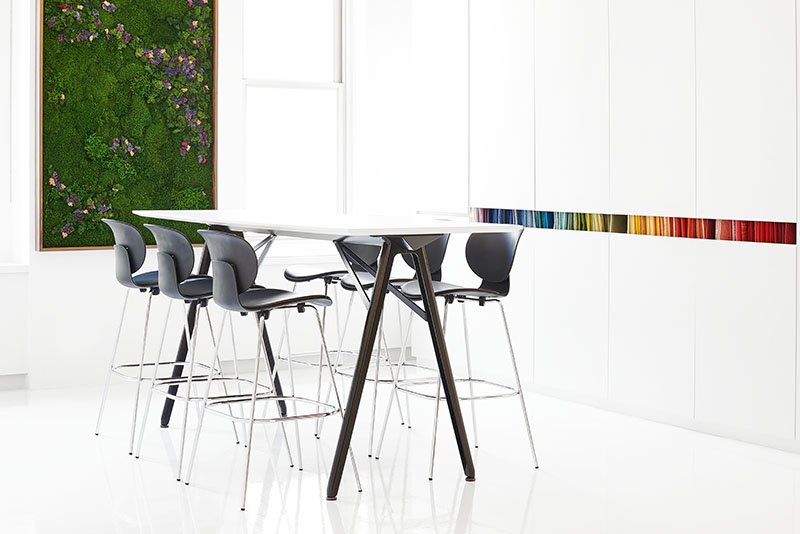
From side and occasional tables to café, counter-height, and bar-height applications, tables set posture, scale, and rhythm. Conference and boardroom tables carry a different weight — signaling stability, leadership, and intent. They often become the most enduring element in a space, shaping how decisions are made and how an organization presents itself.
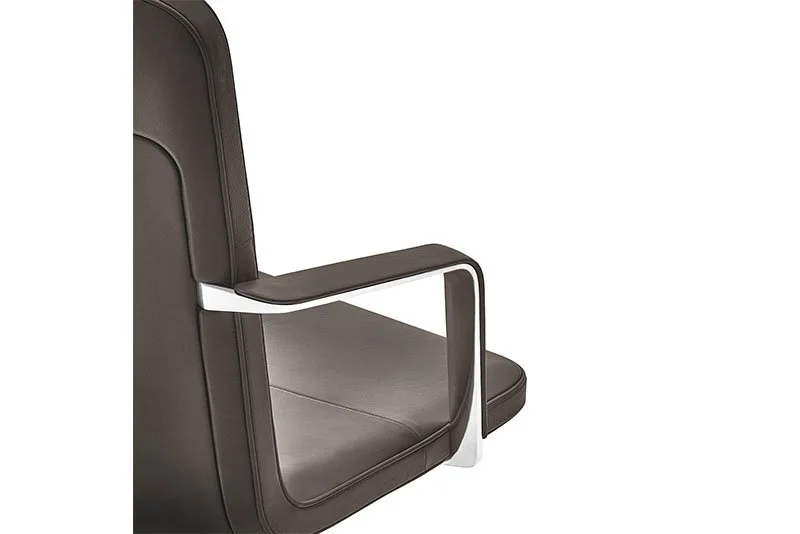
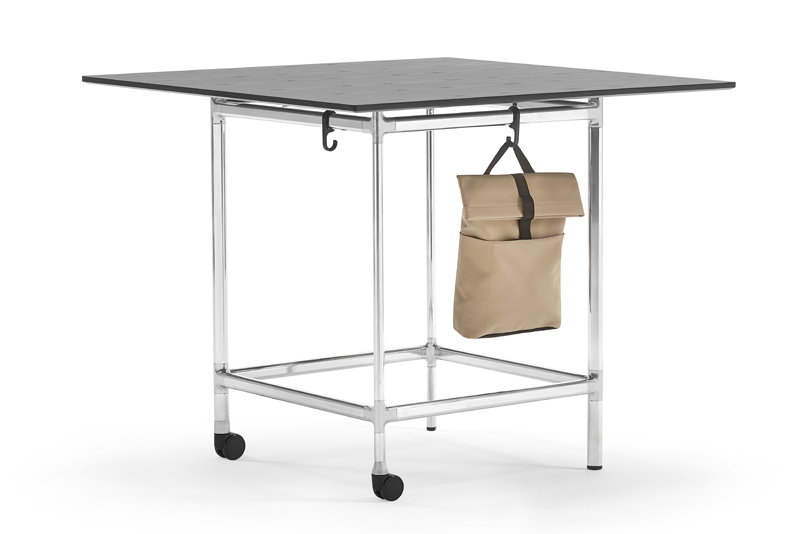
With or without integrated power, fixed or mobile, some tables are designed to move as spaces adapt. Others are built to stay put — expressing permanence, confidence, and longevity. In select collections, table finishes can be coordinated directly with chair bases and arms, allowing metals, woods, and colors to align across the room rather than limiting executive spaces to standard black or polished aluminum.
When selected well, tables do more than hold objects. They hold activity, conversation, and commitment in place.

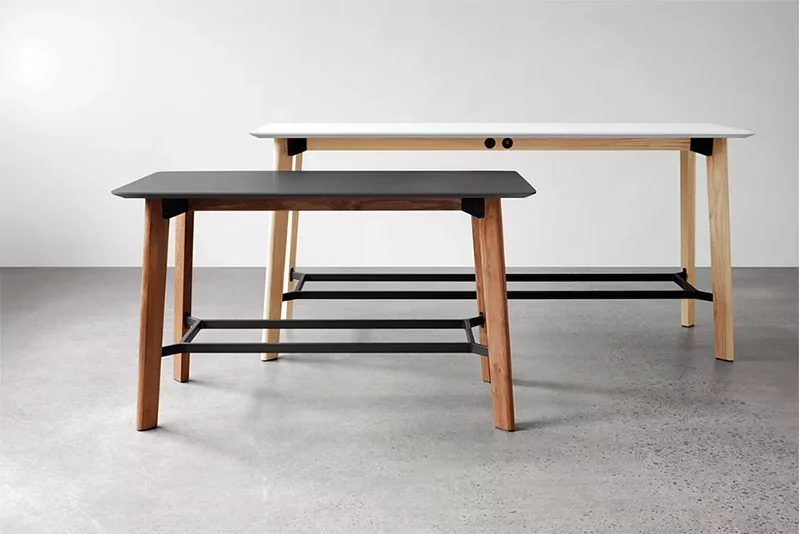

Collaborative Furniture
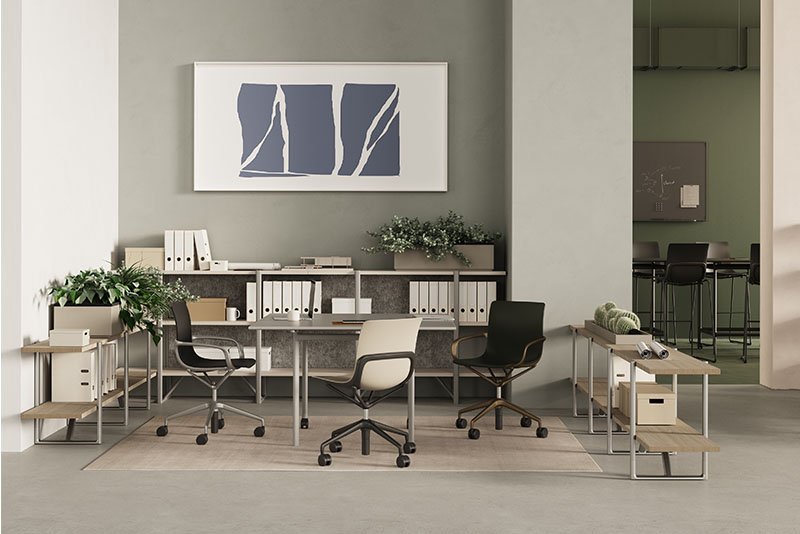
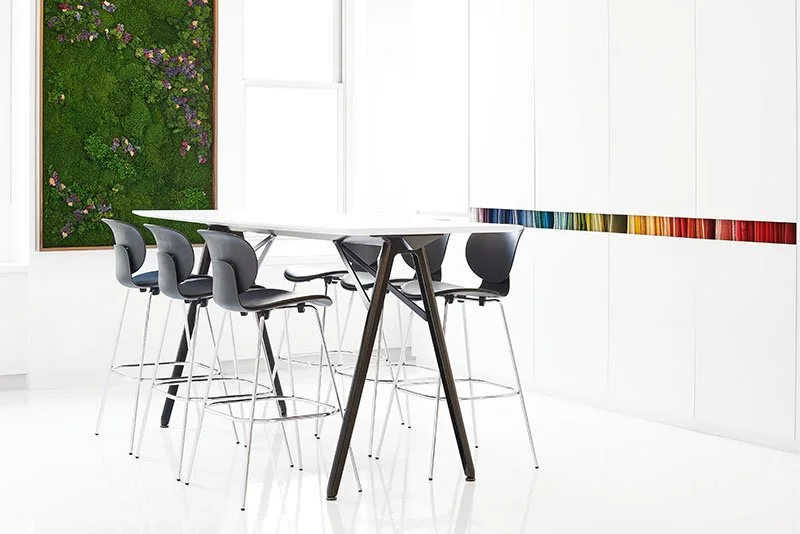
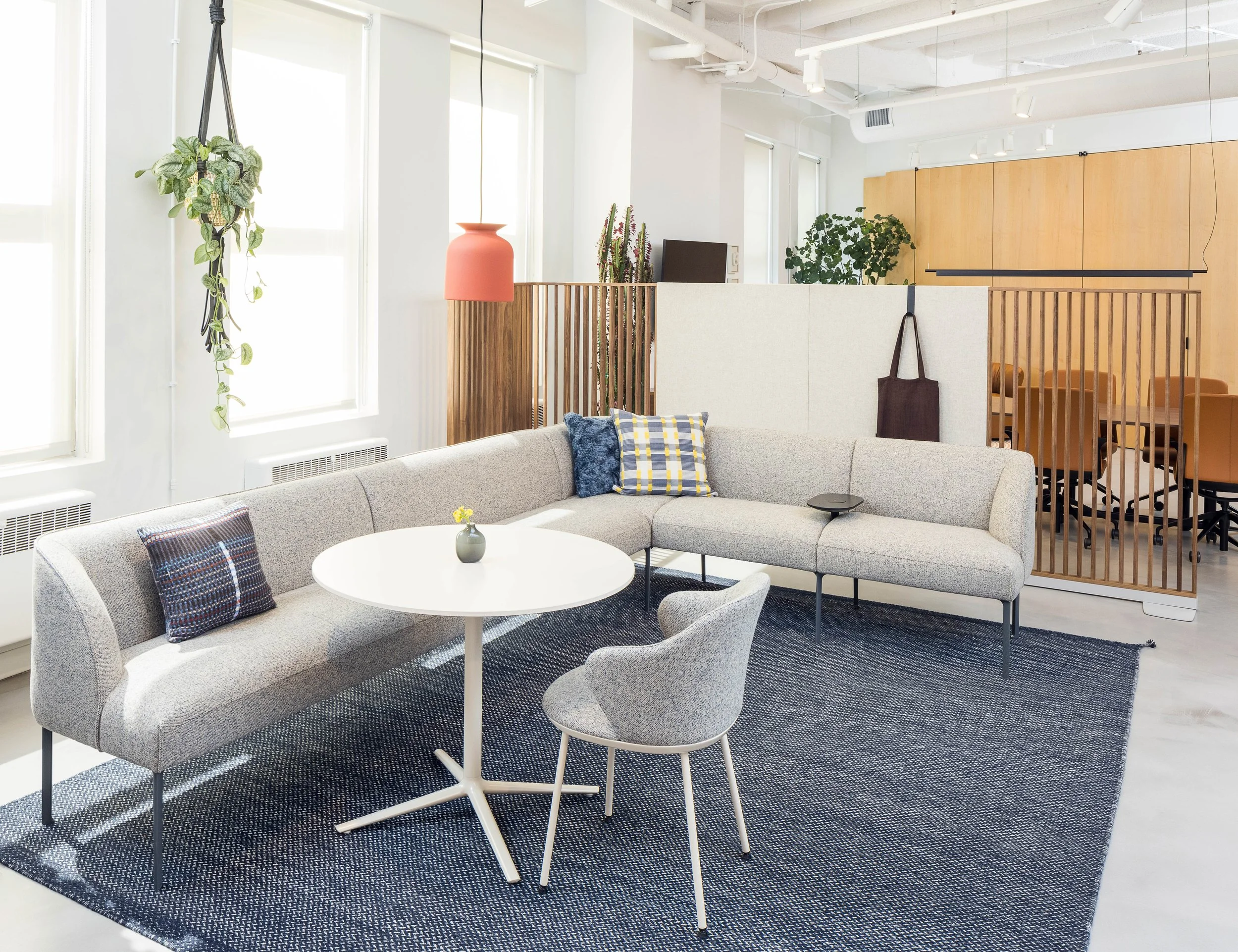
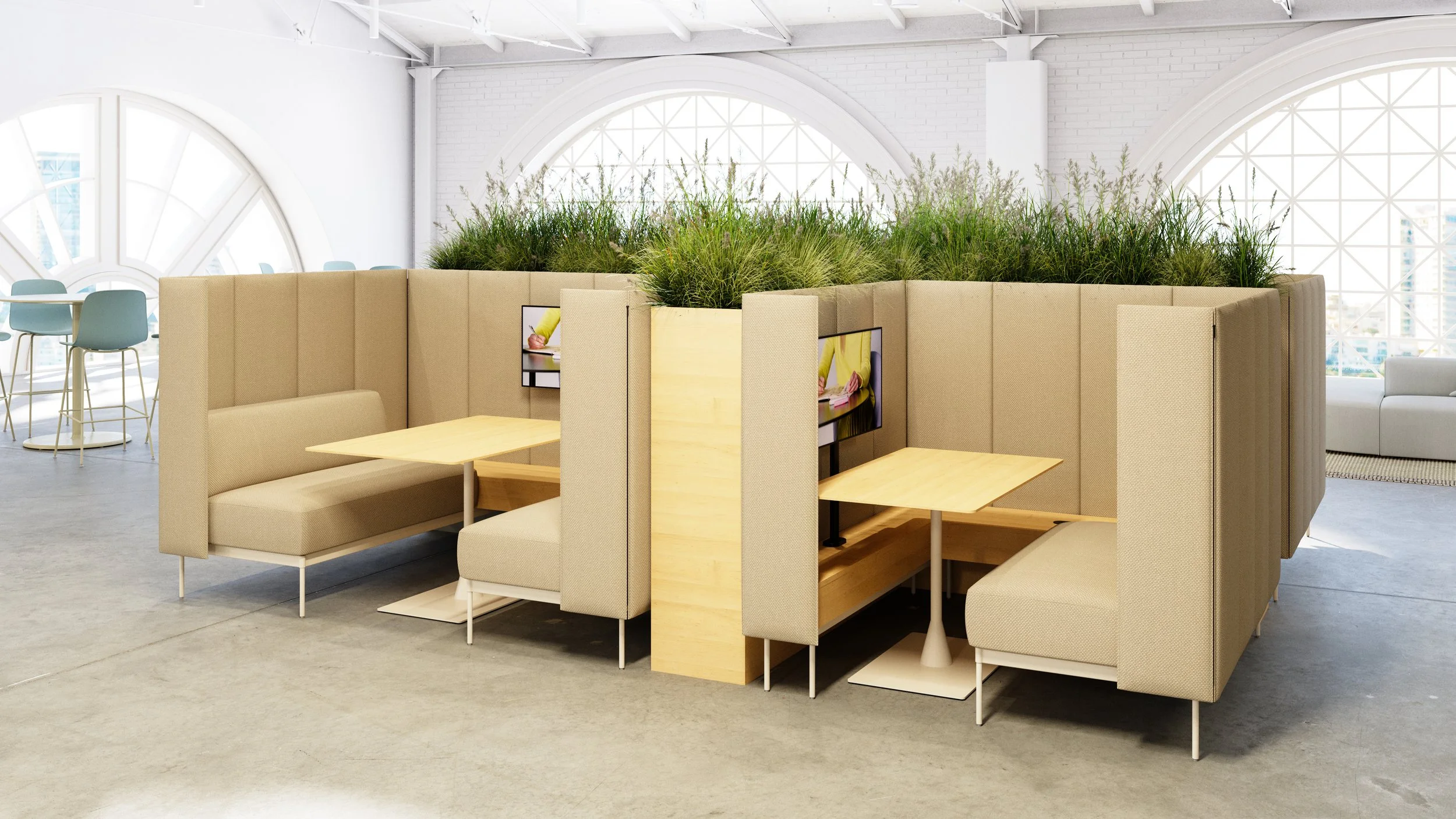
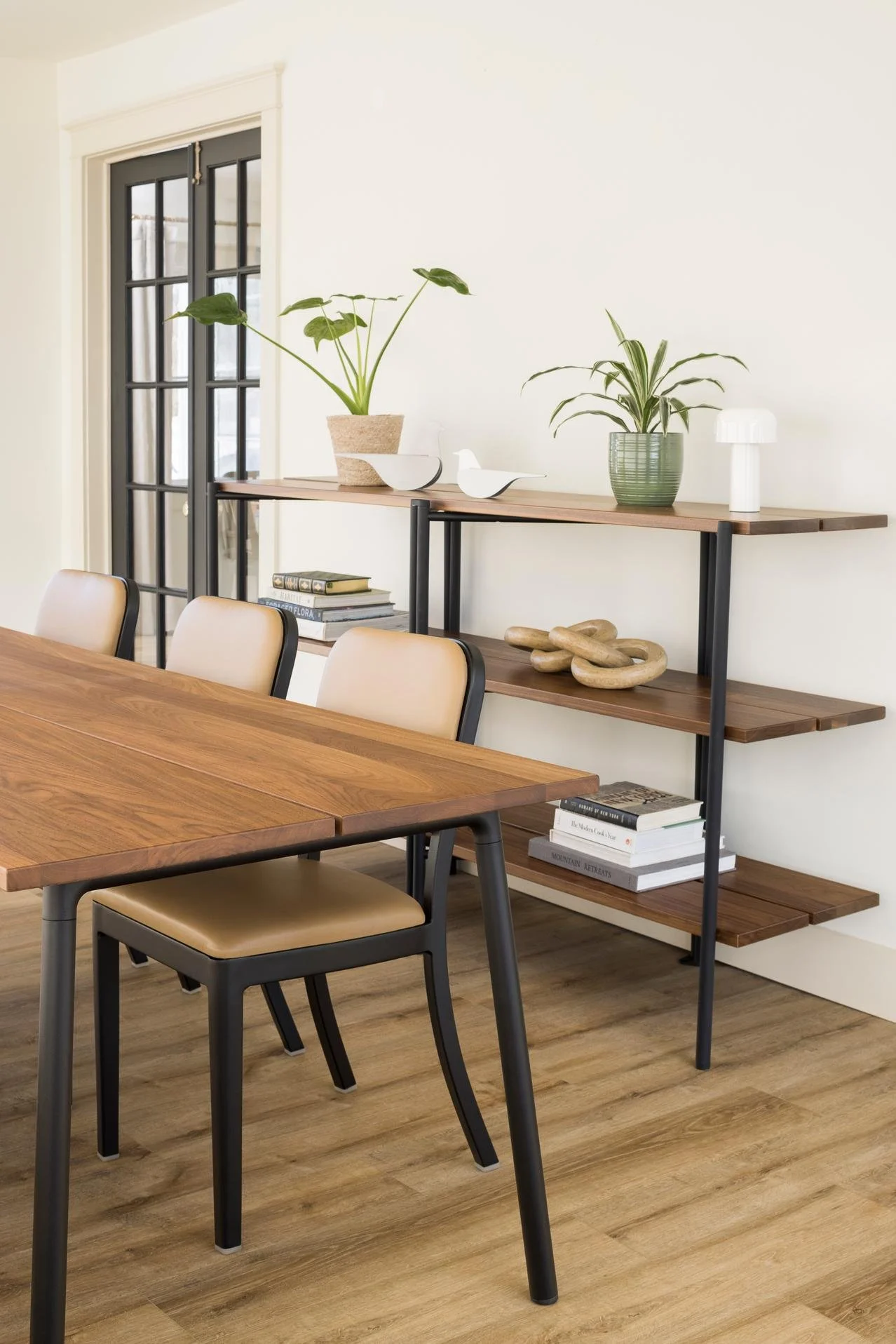
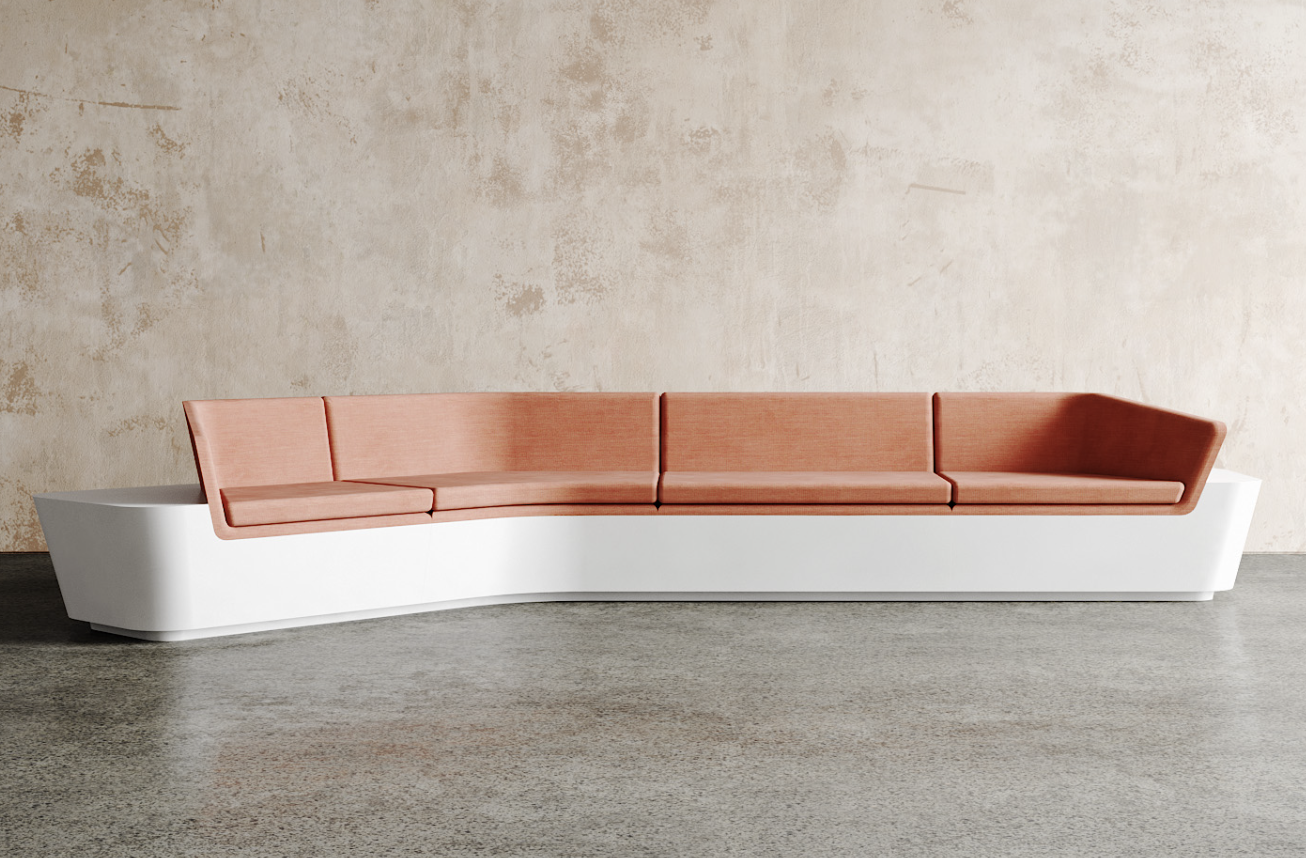
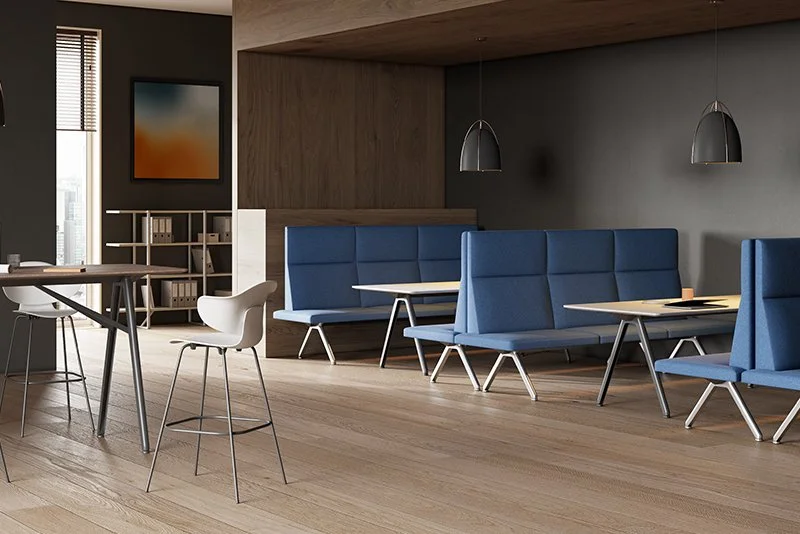
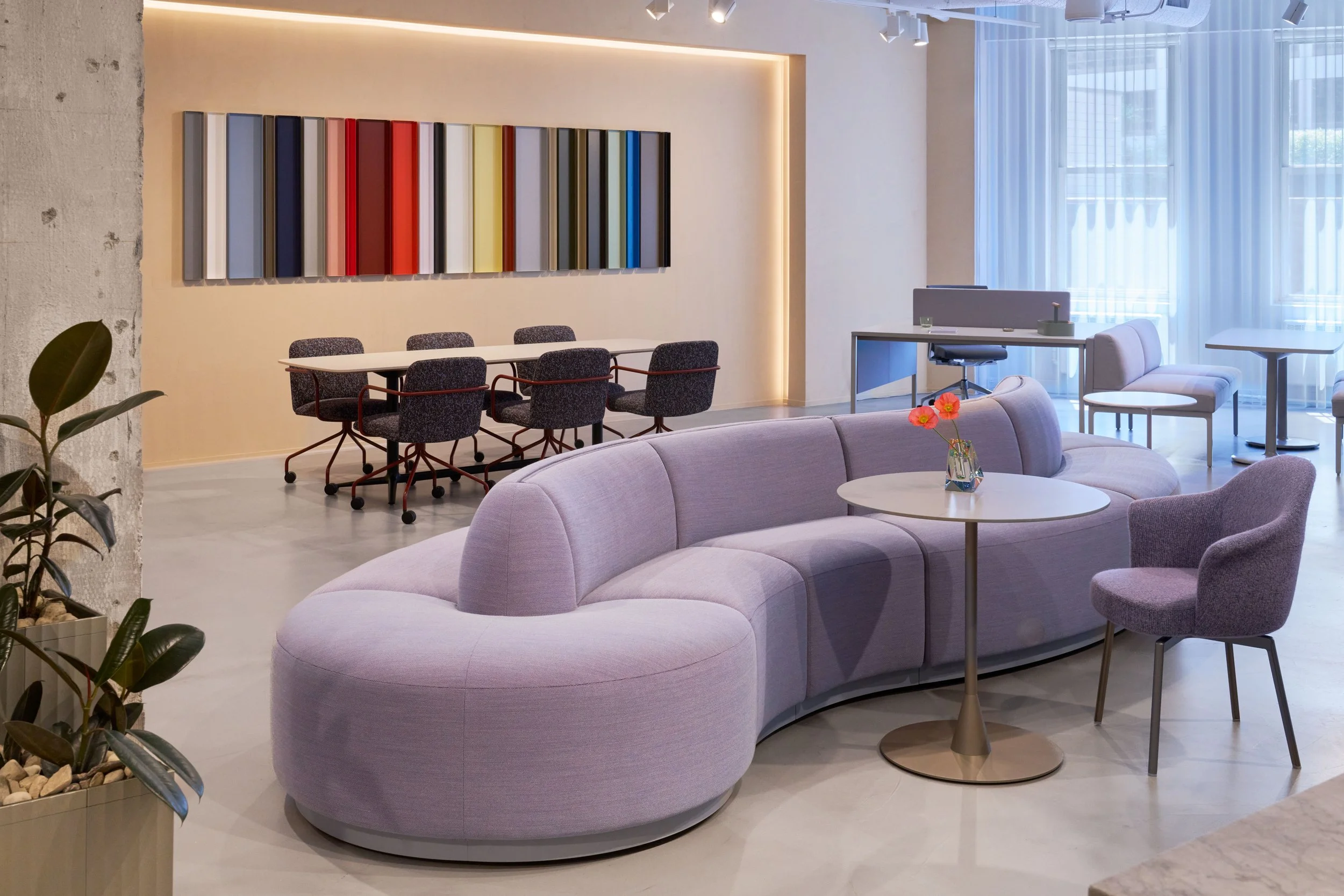
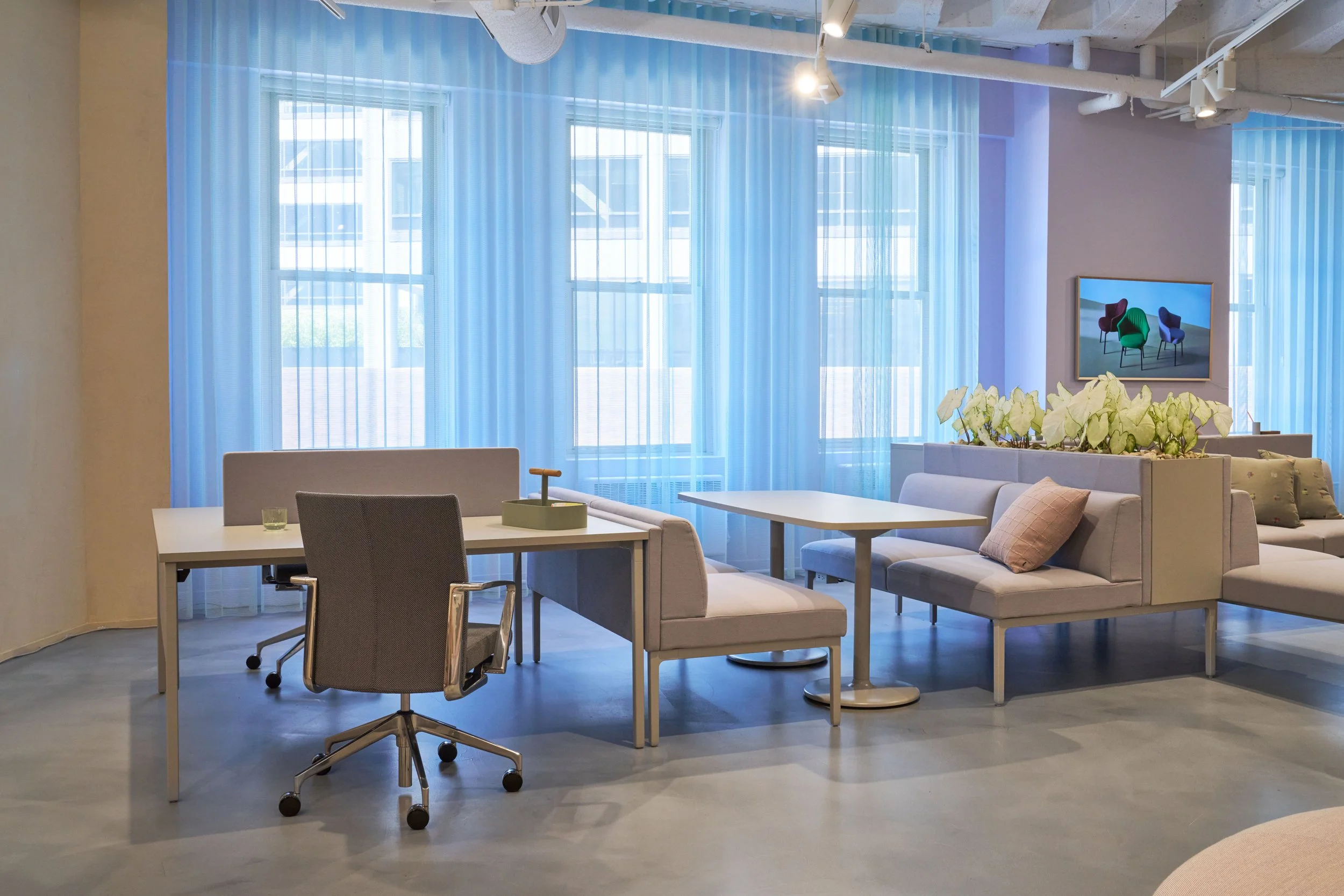
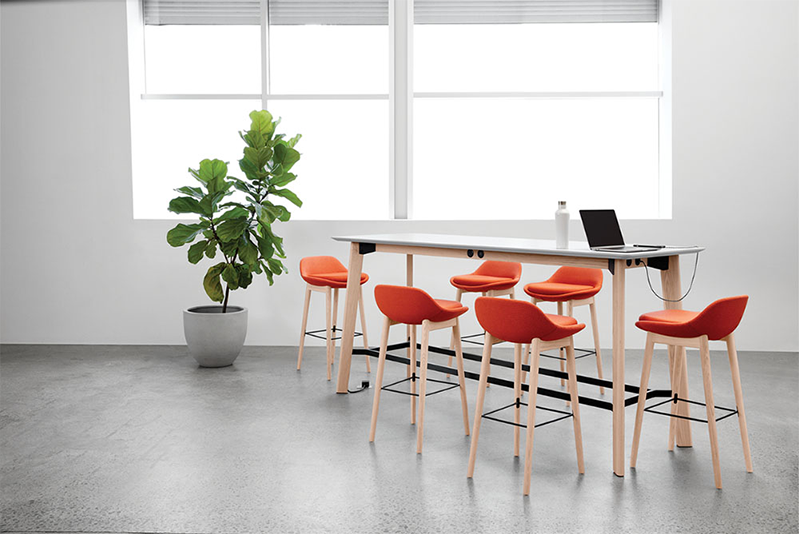
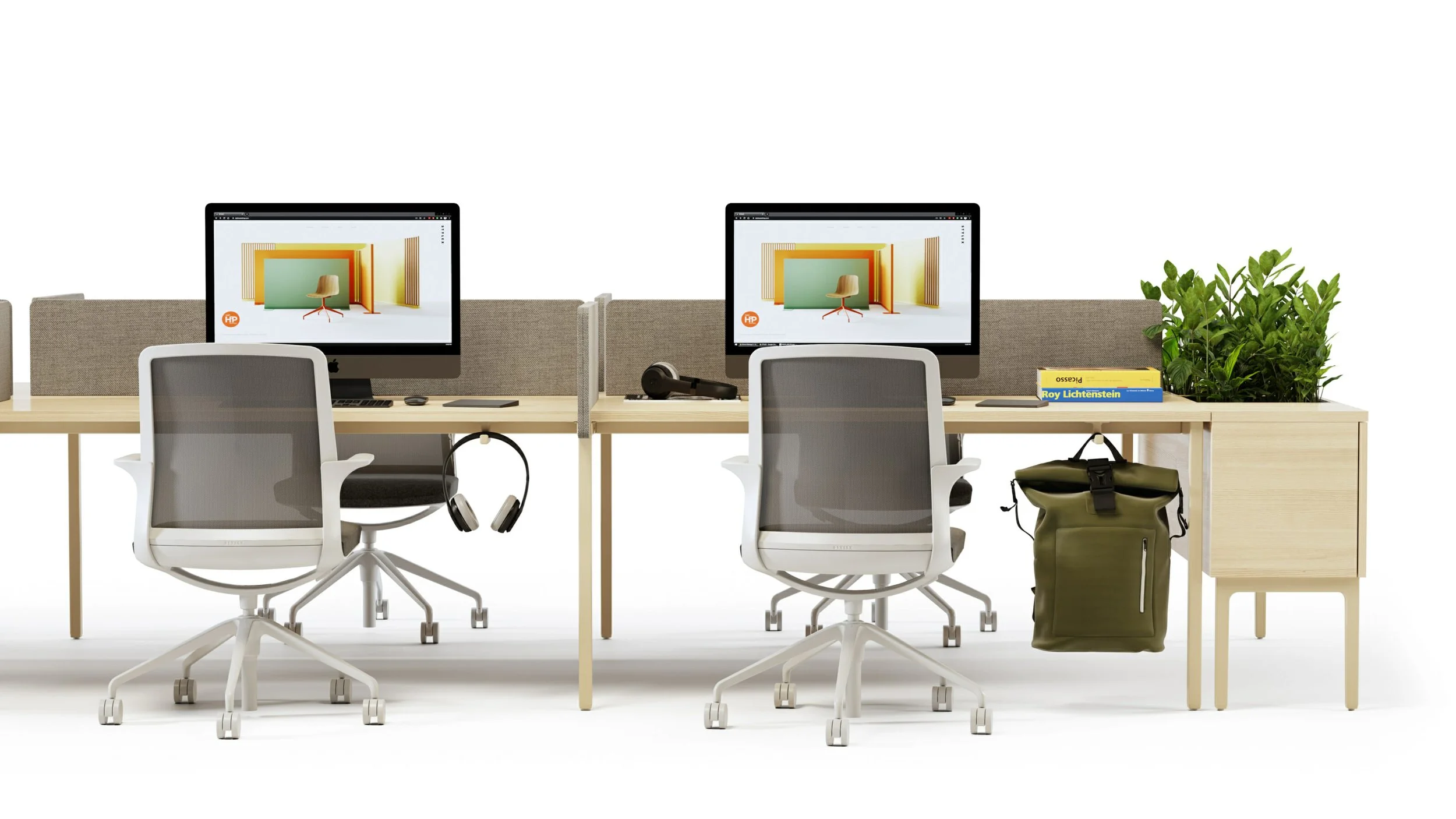
This is where furniture stops being fixed and starts being tested. Tables shift. Seating moves. Power appears where it’s needed.
Collaborative furniture supports experimentation - how teams gather, separate, return, and reconfigure. These pieces are less about final answers and more about making room for ideas to take shape.
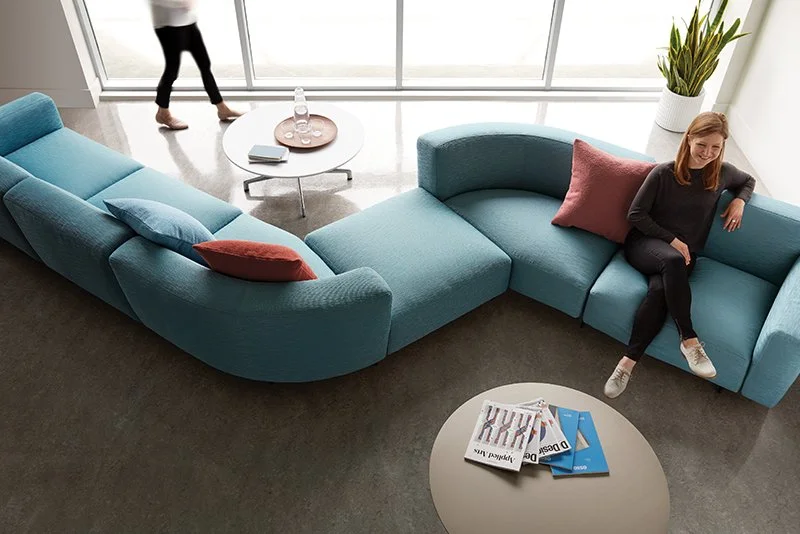
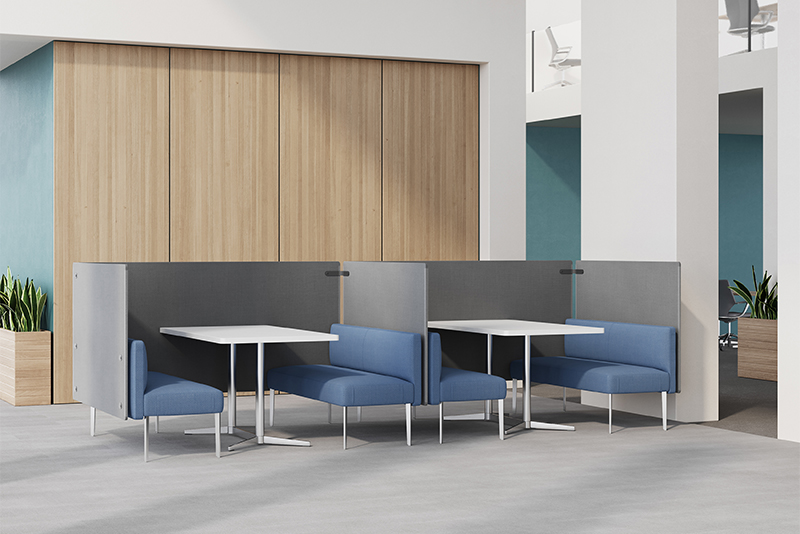
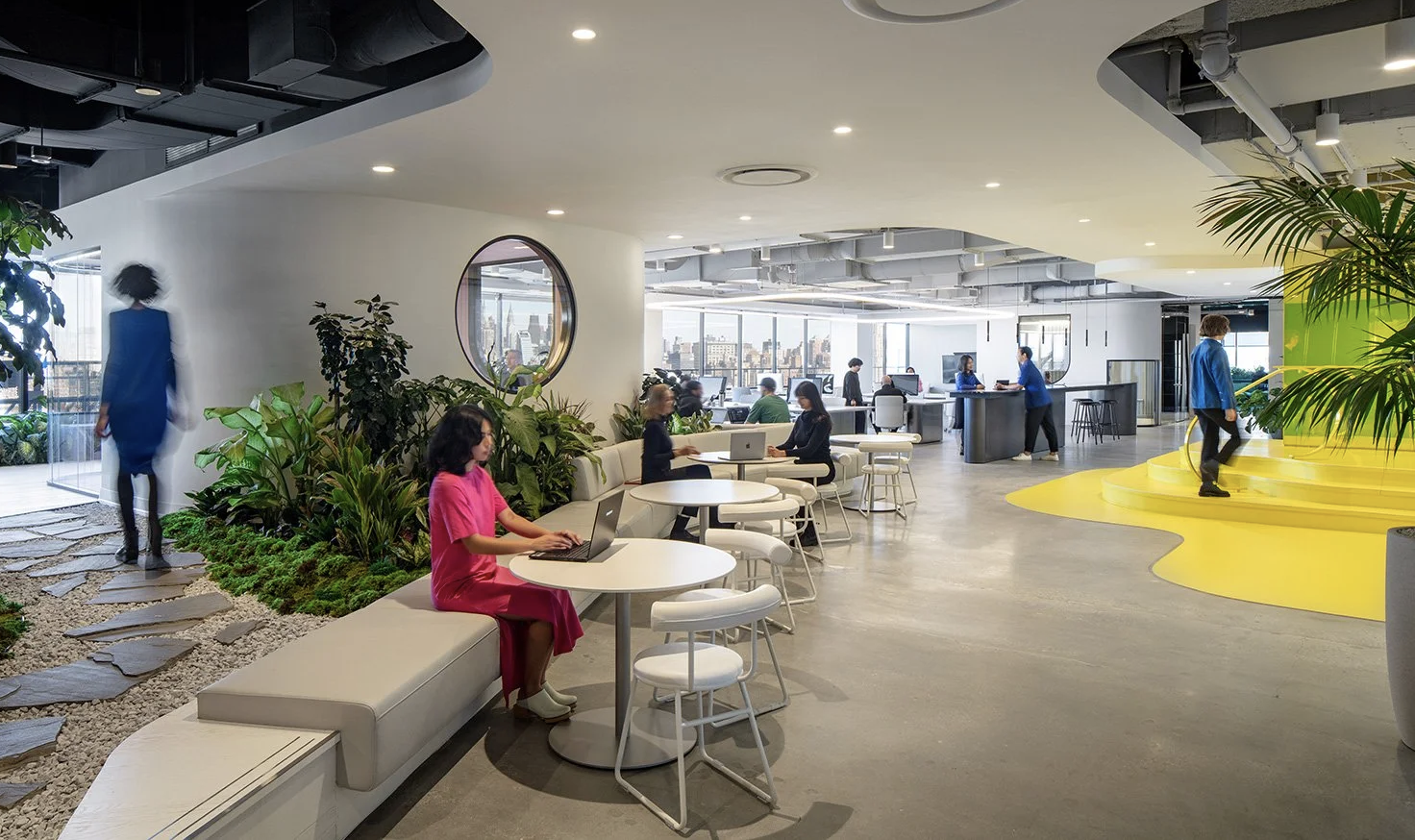

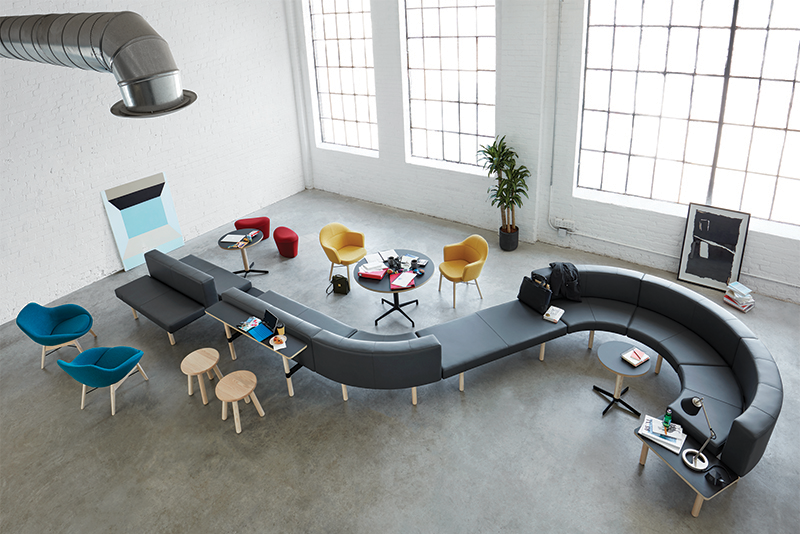
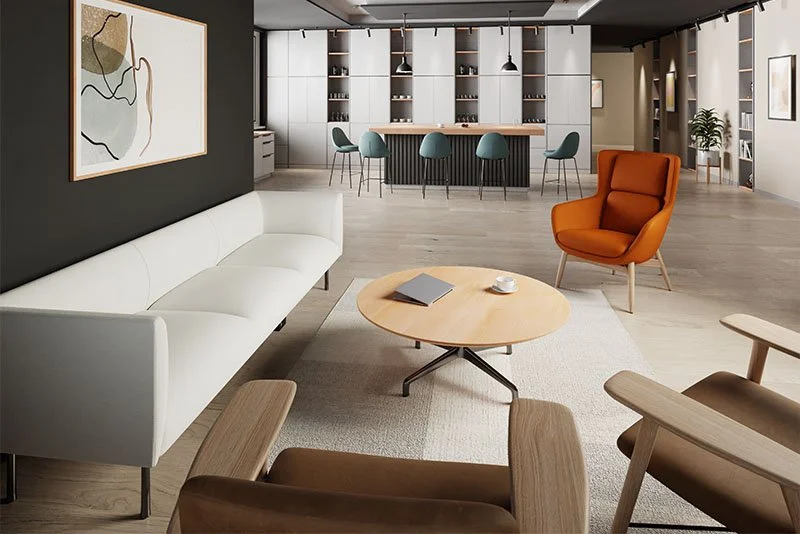
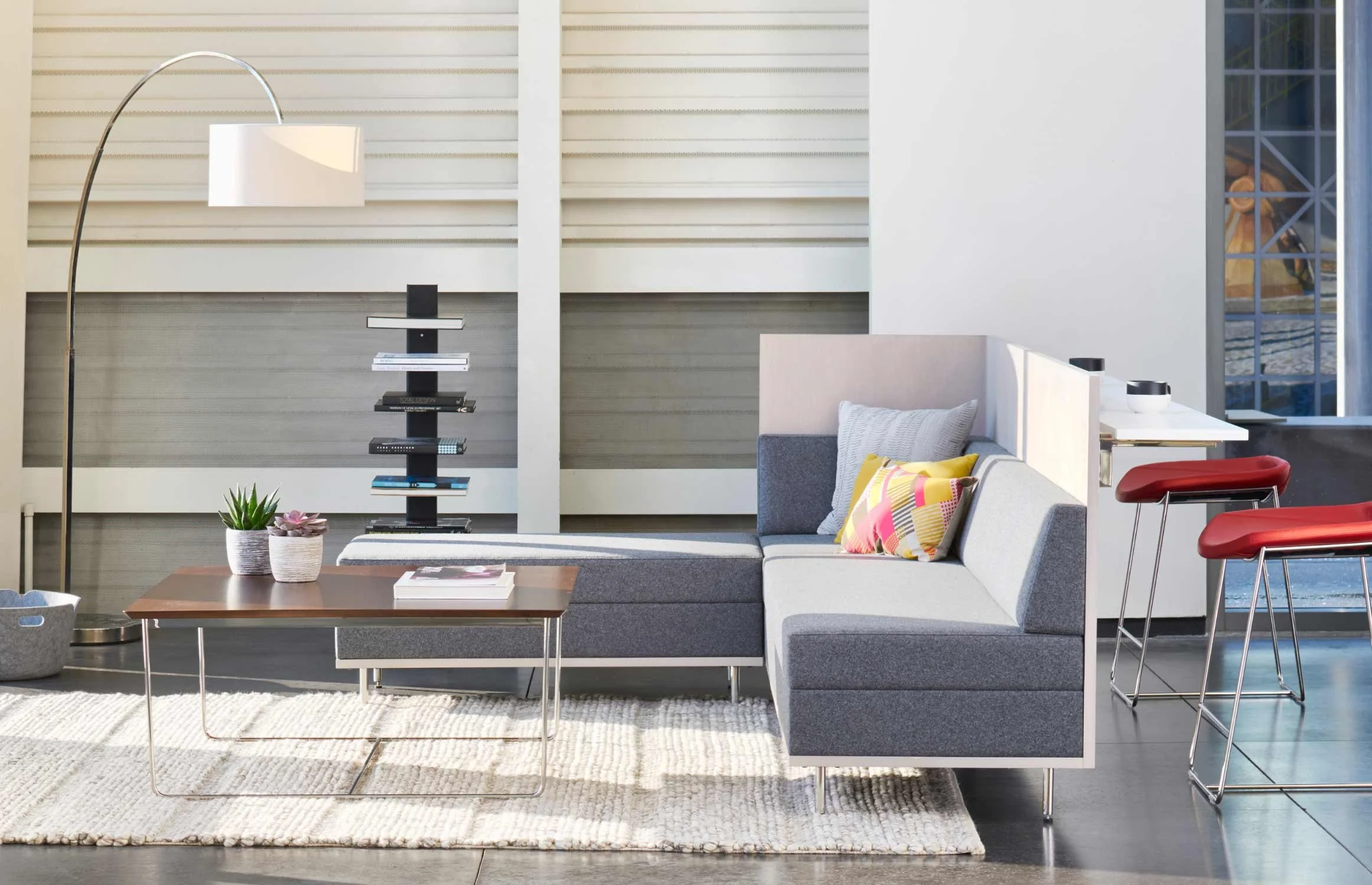
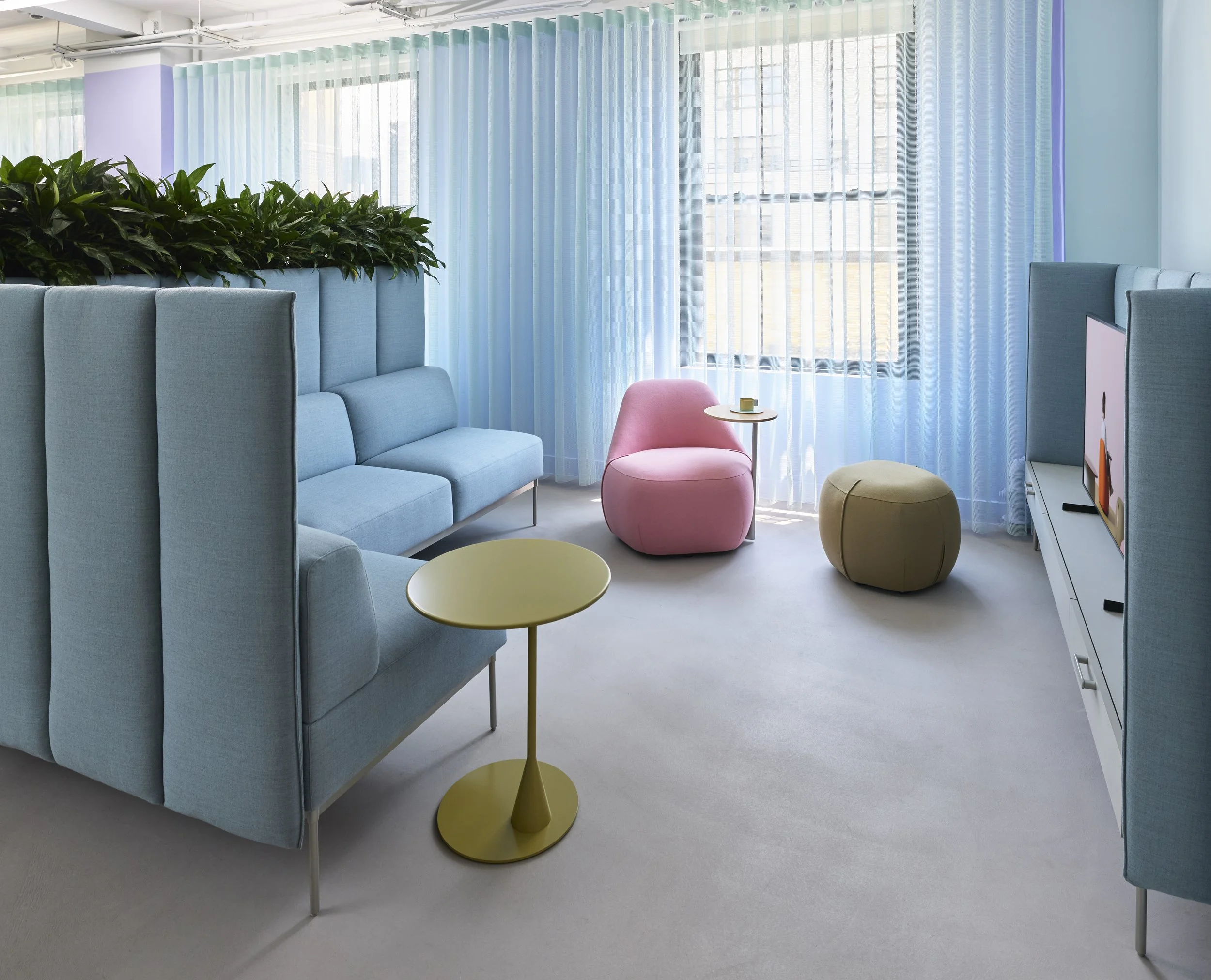
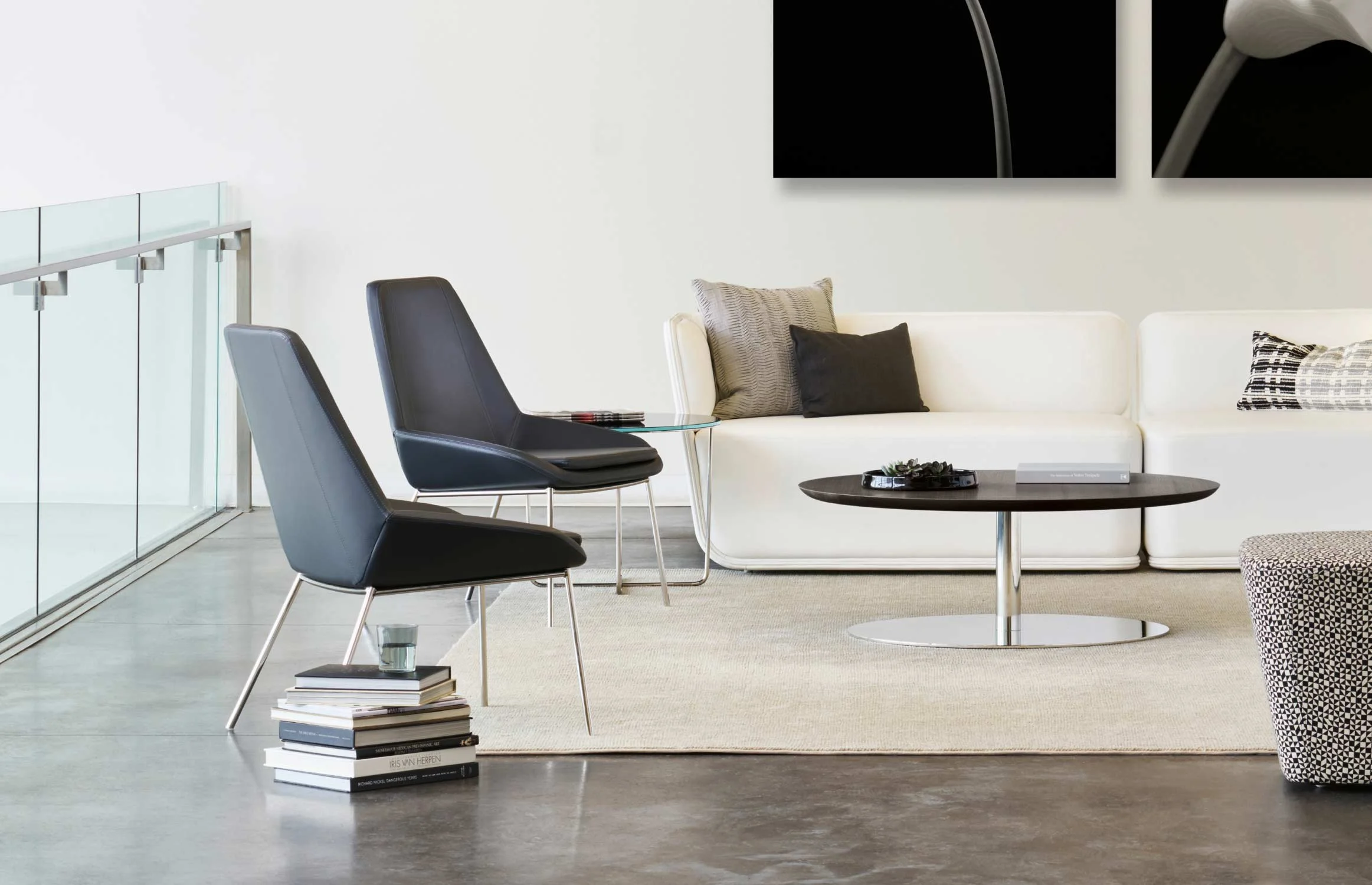
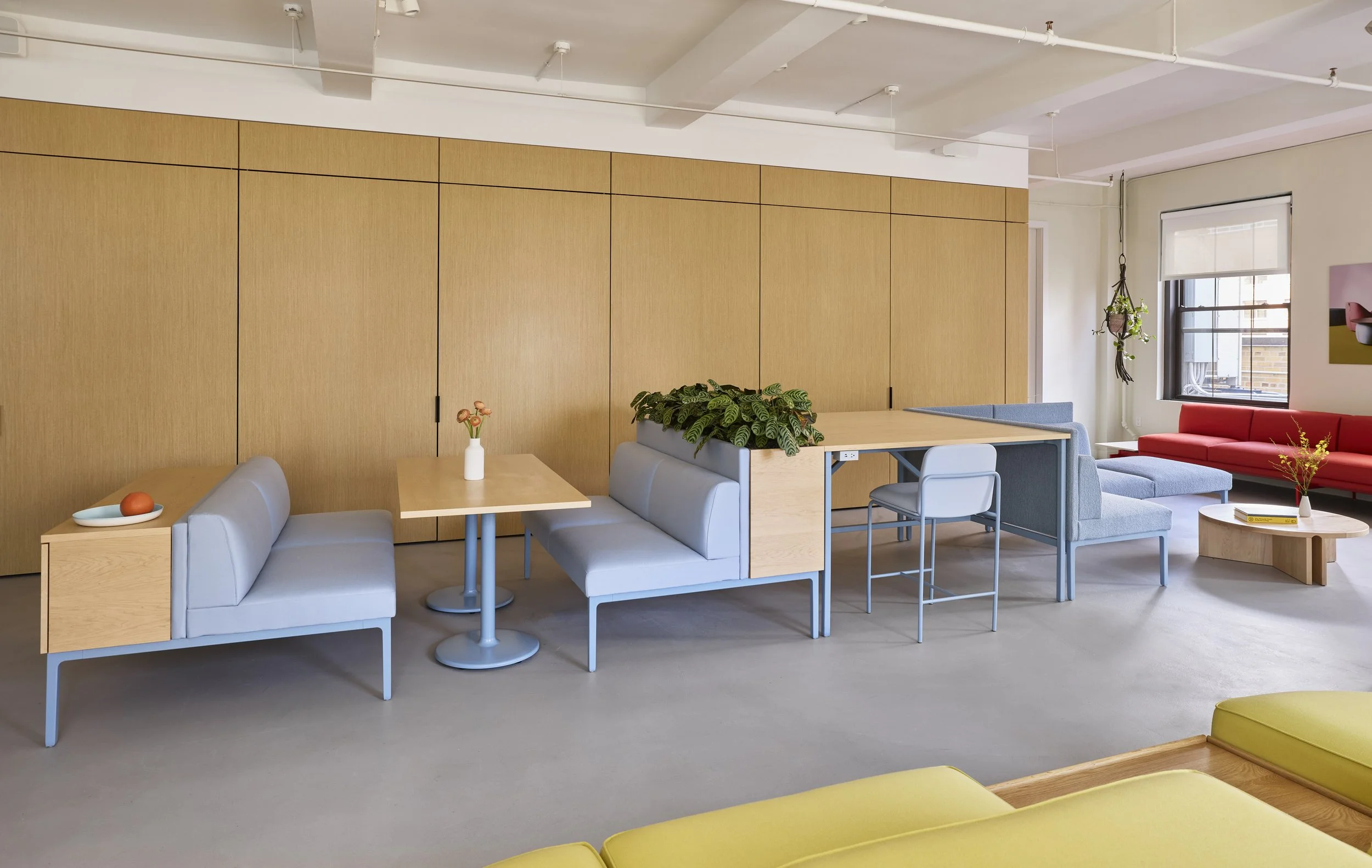
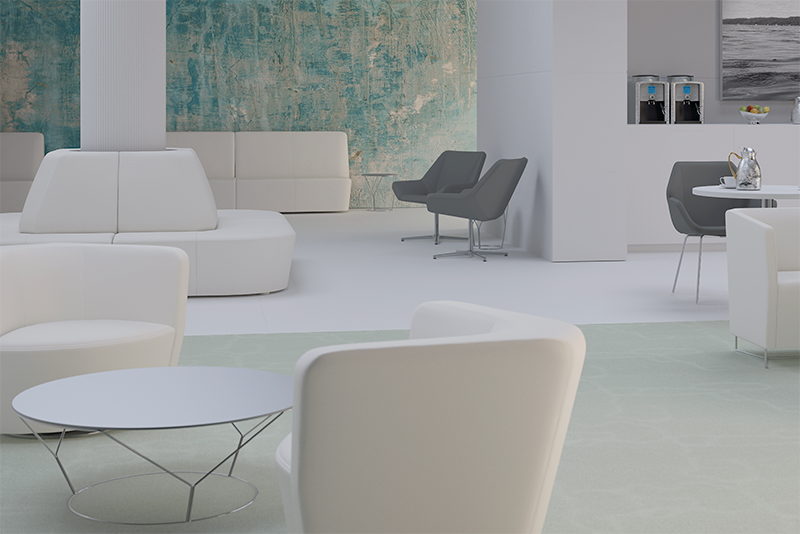
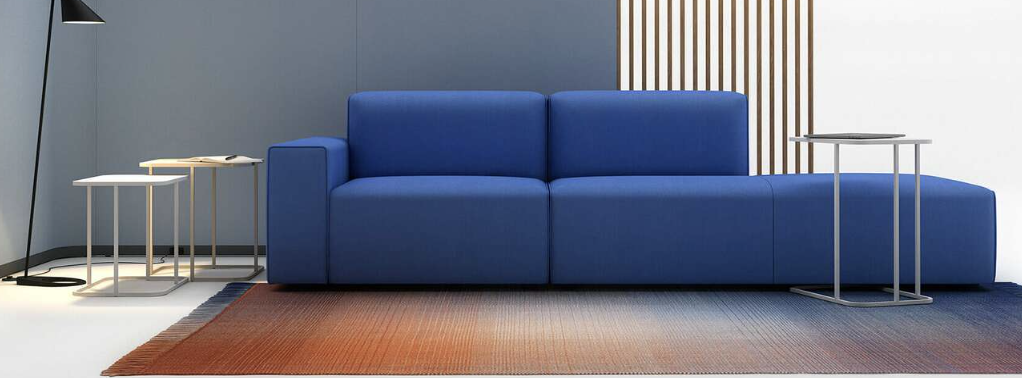
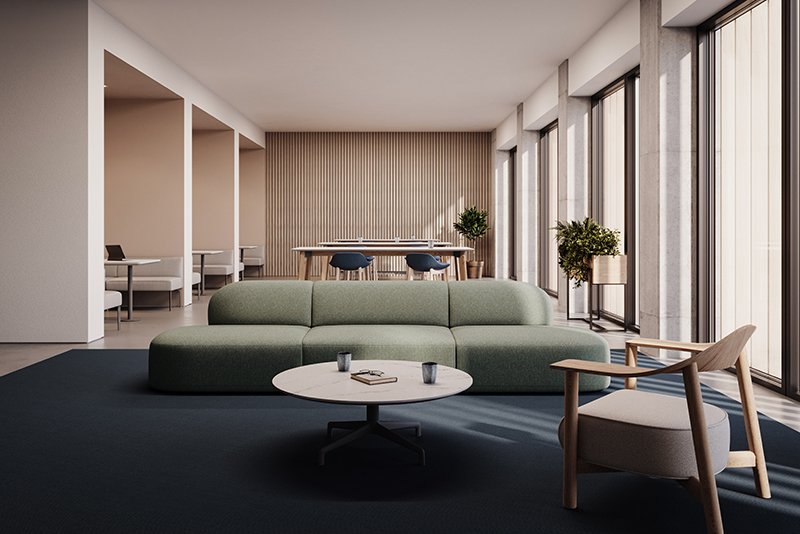
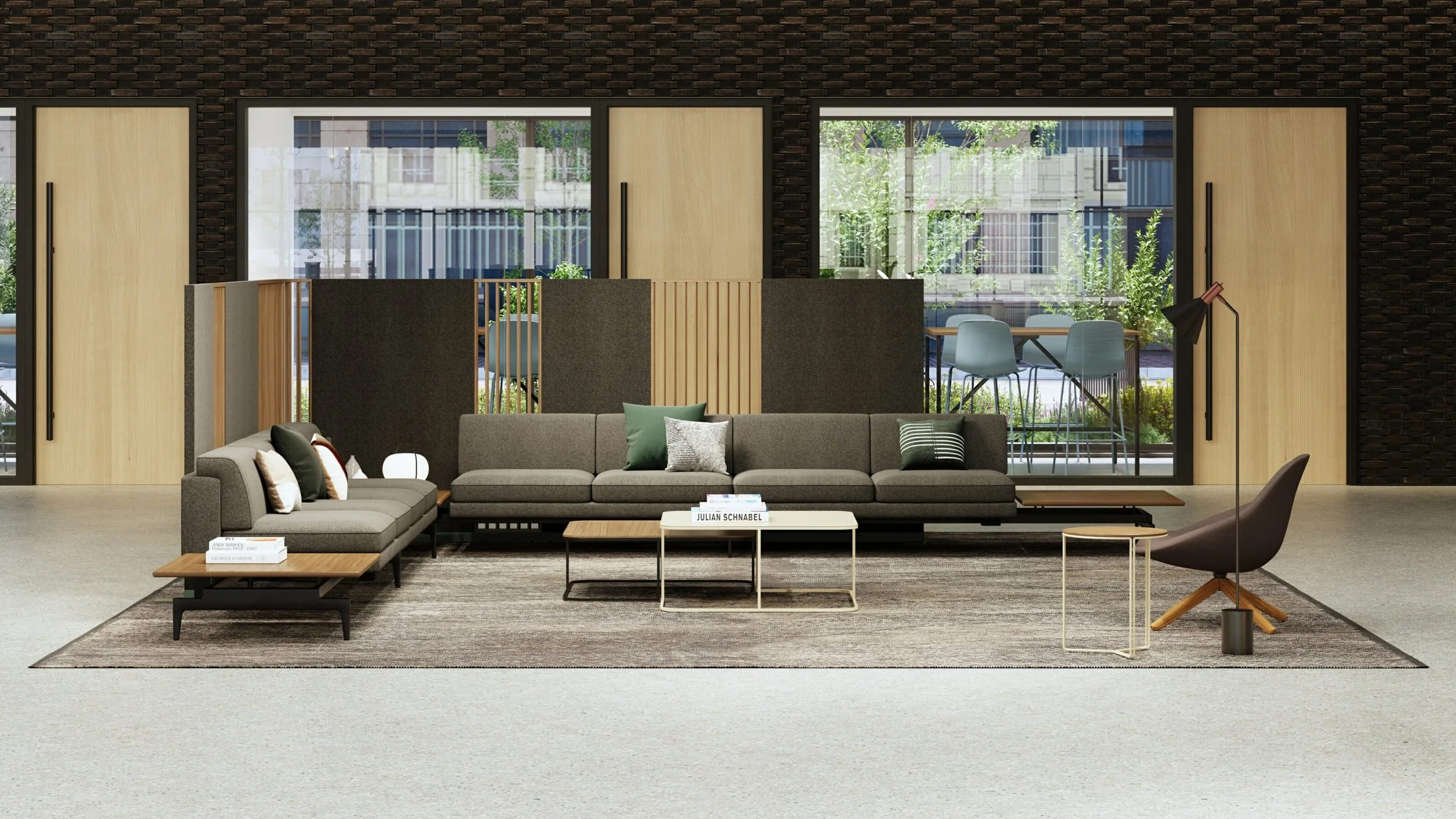
Lounge
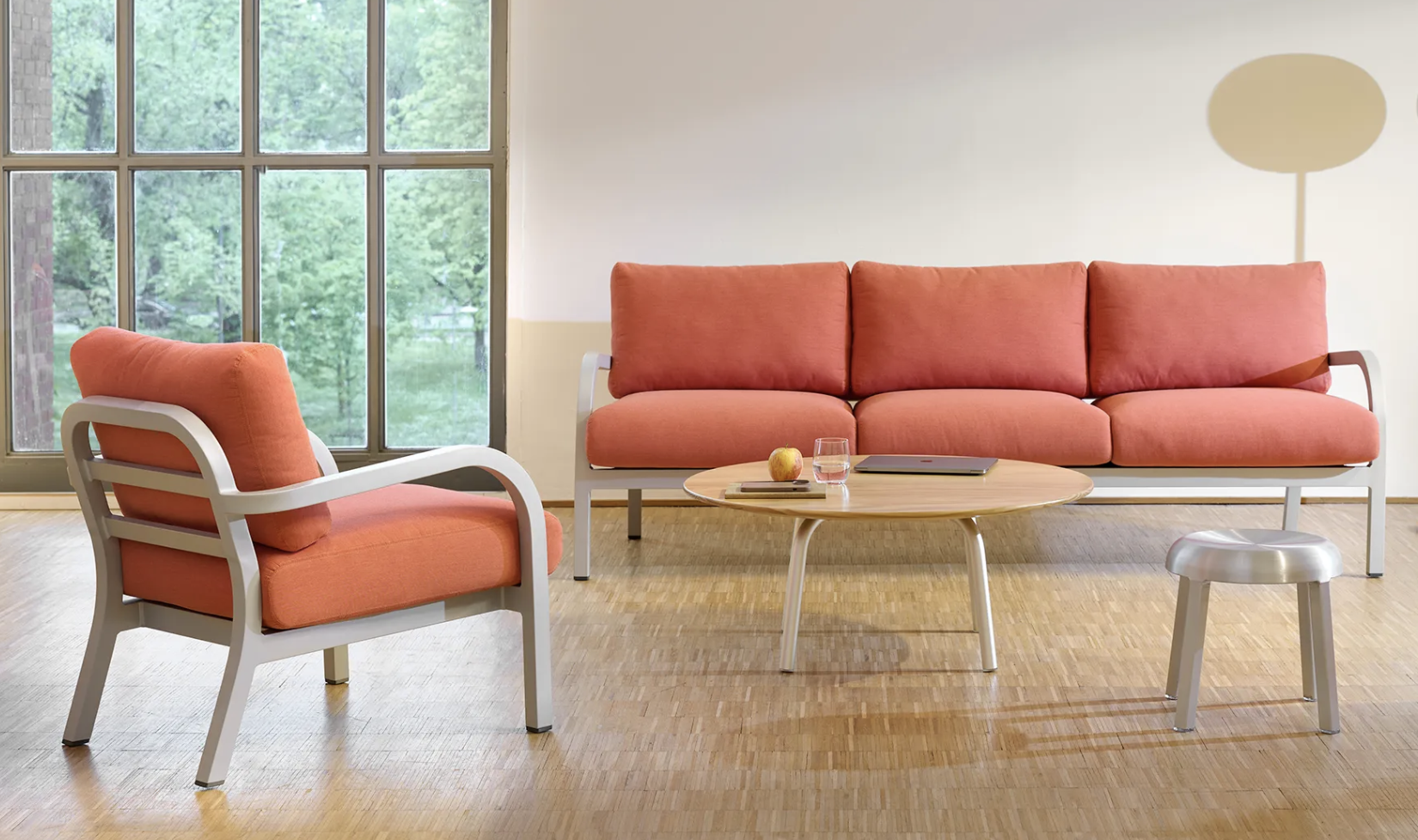
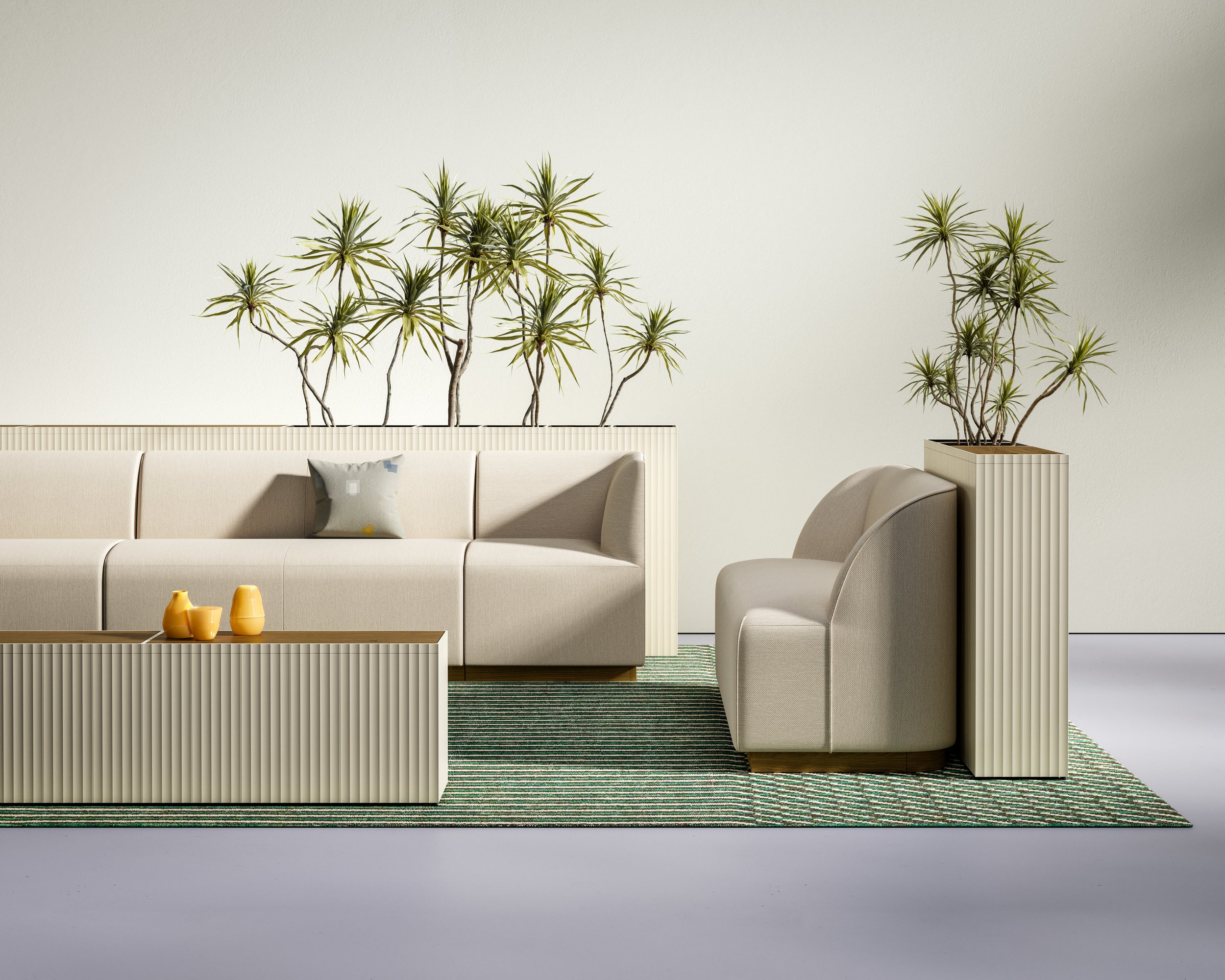
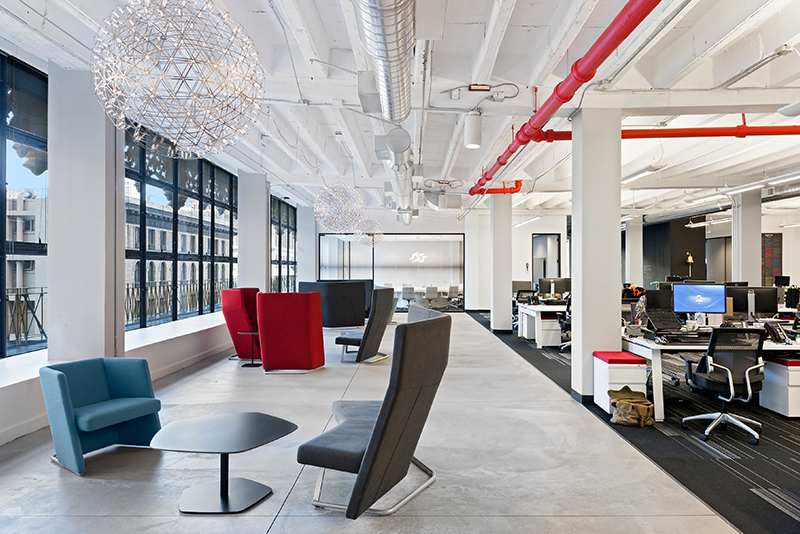
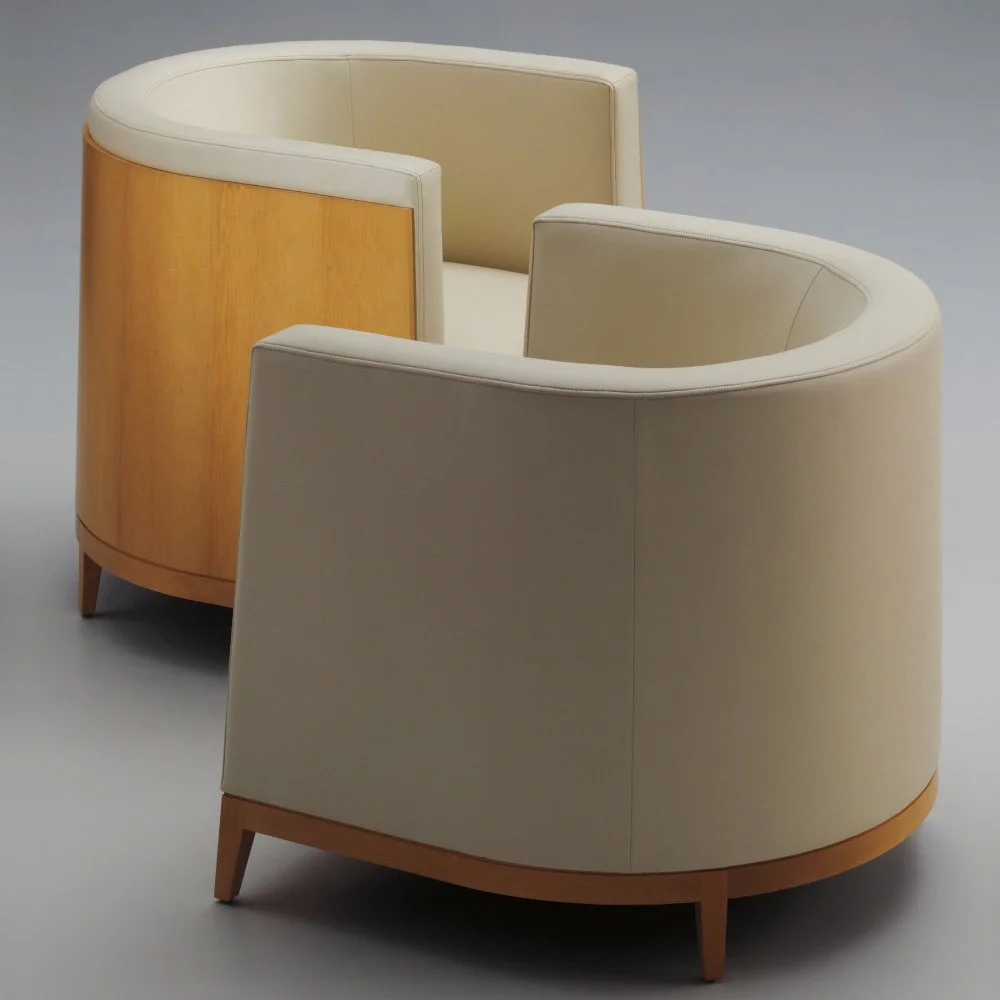
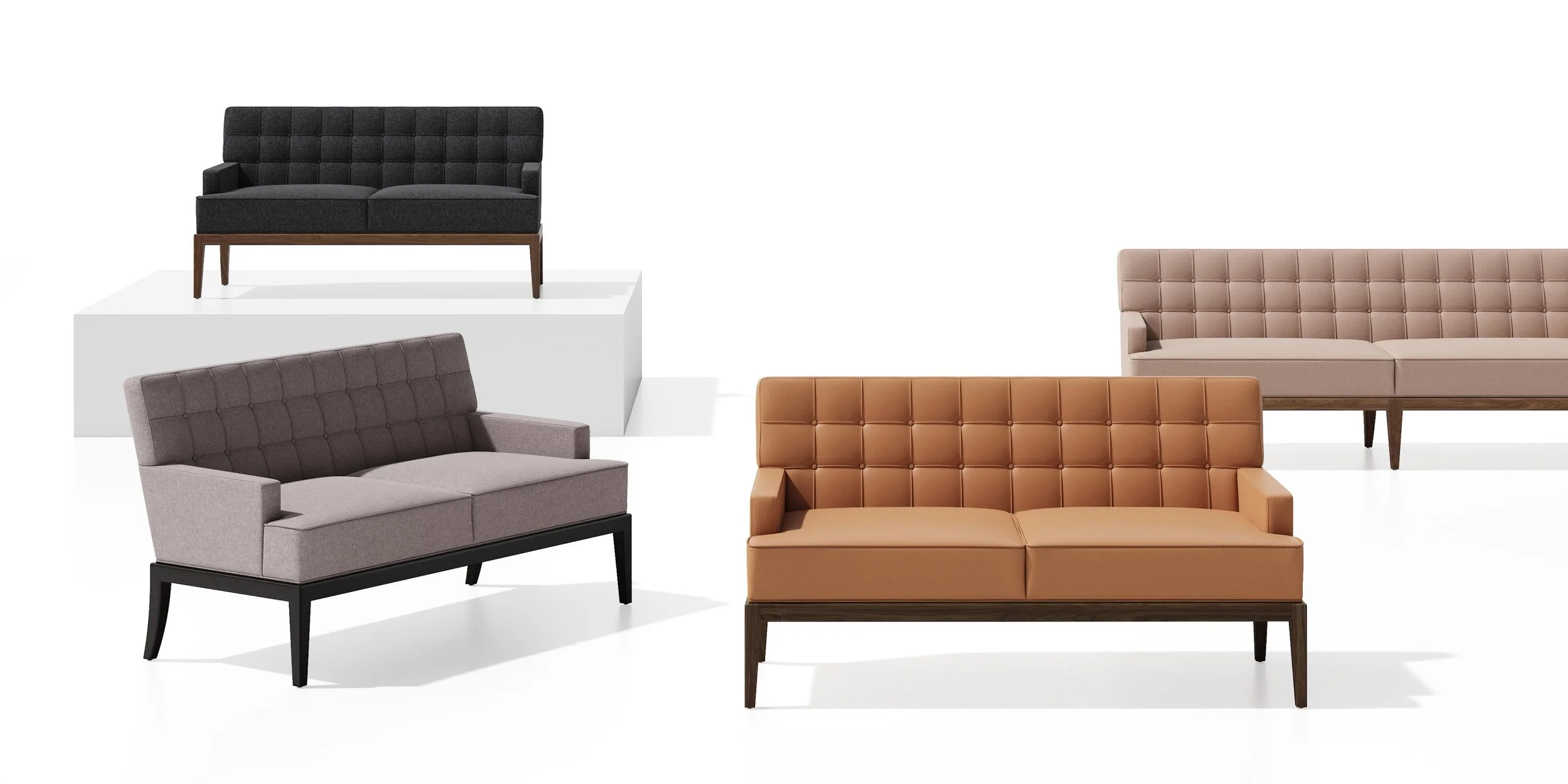
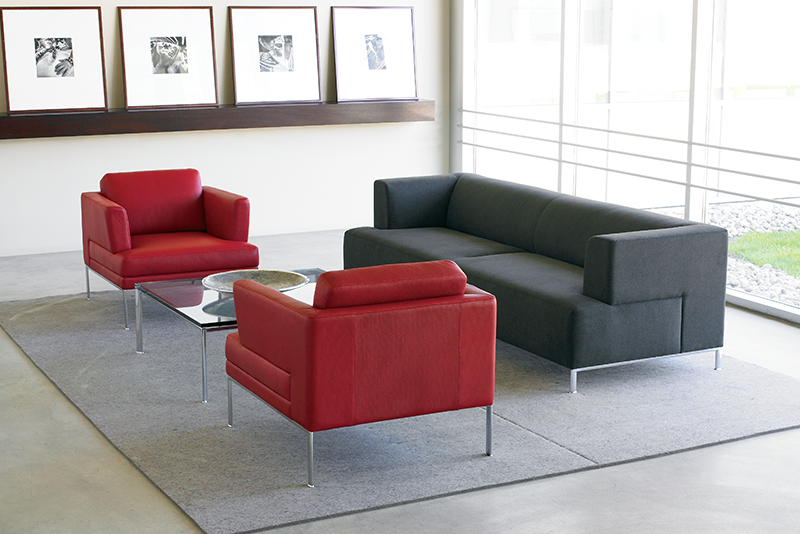
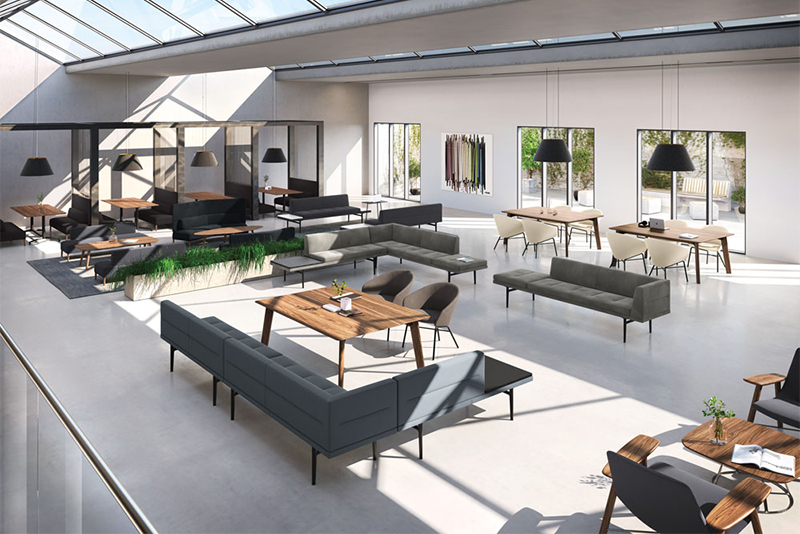
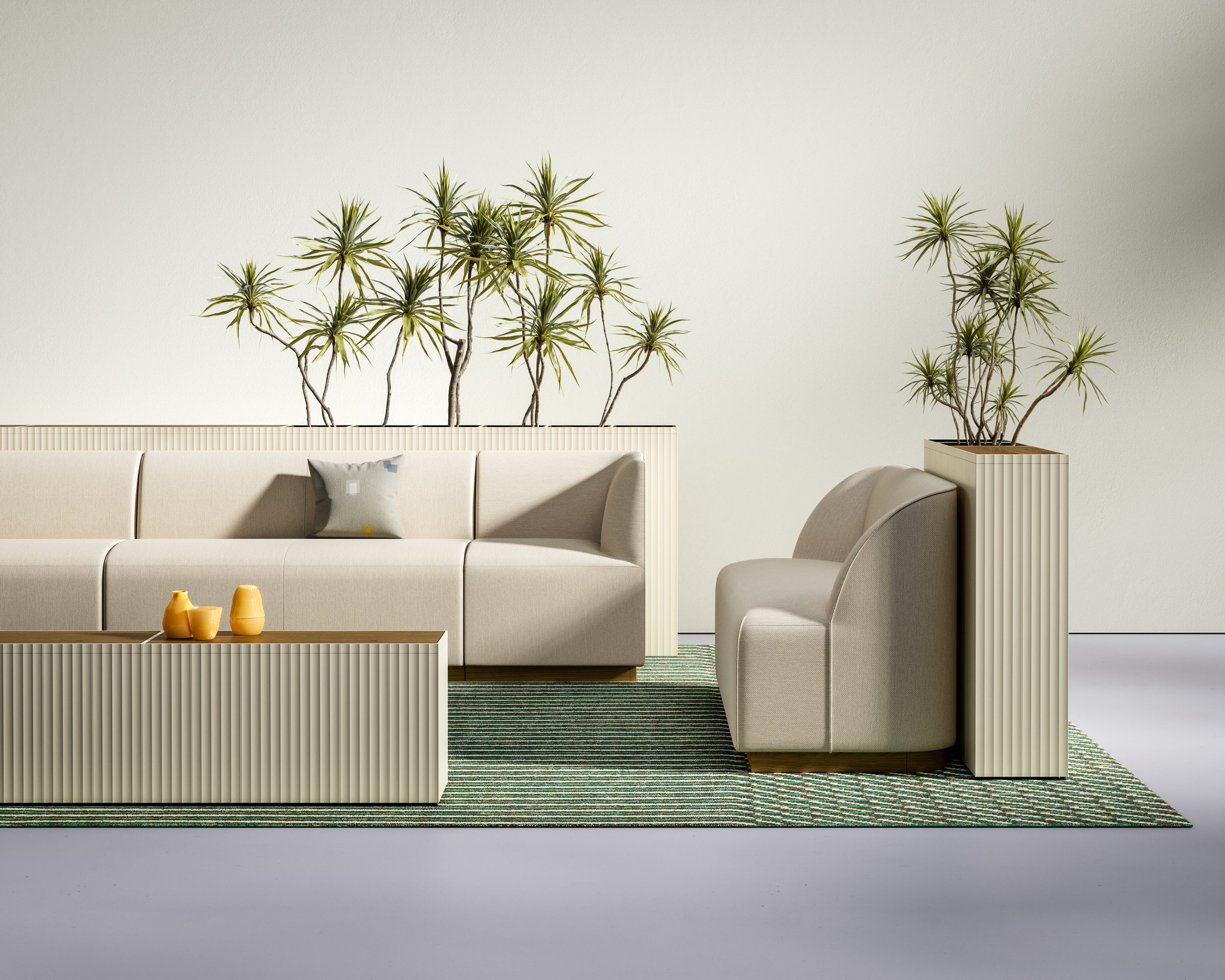
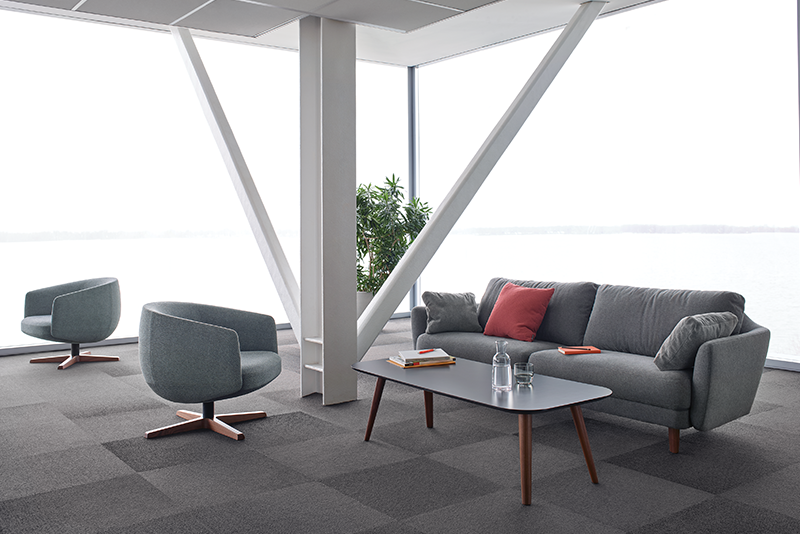
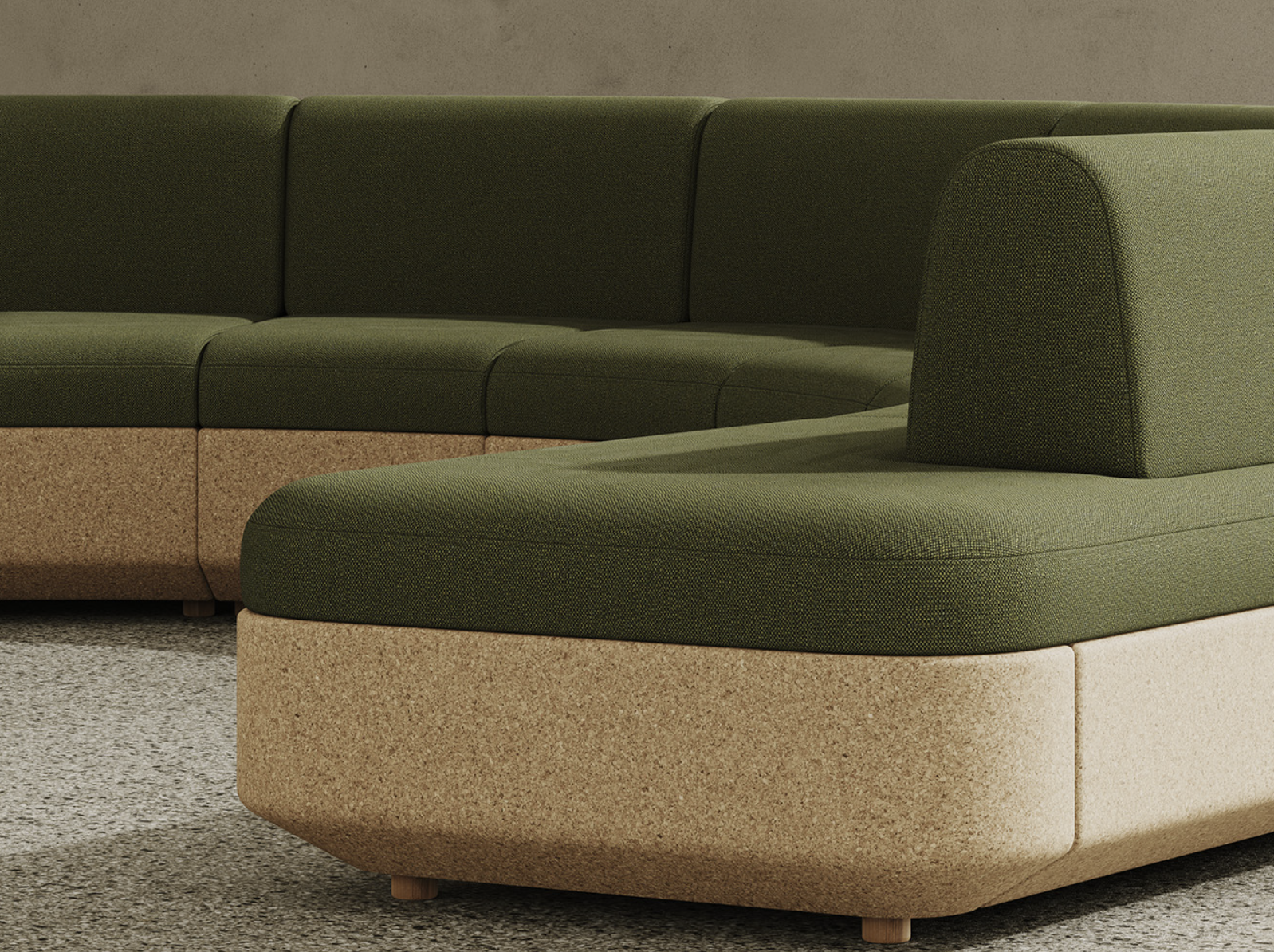
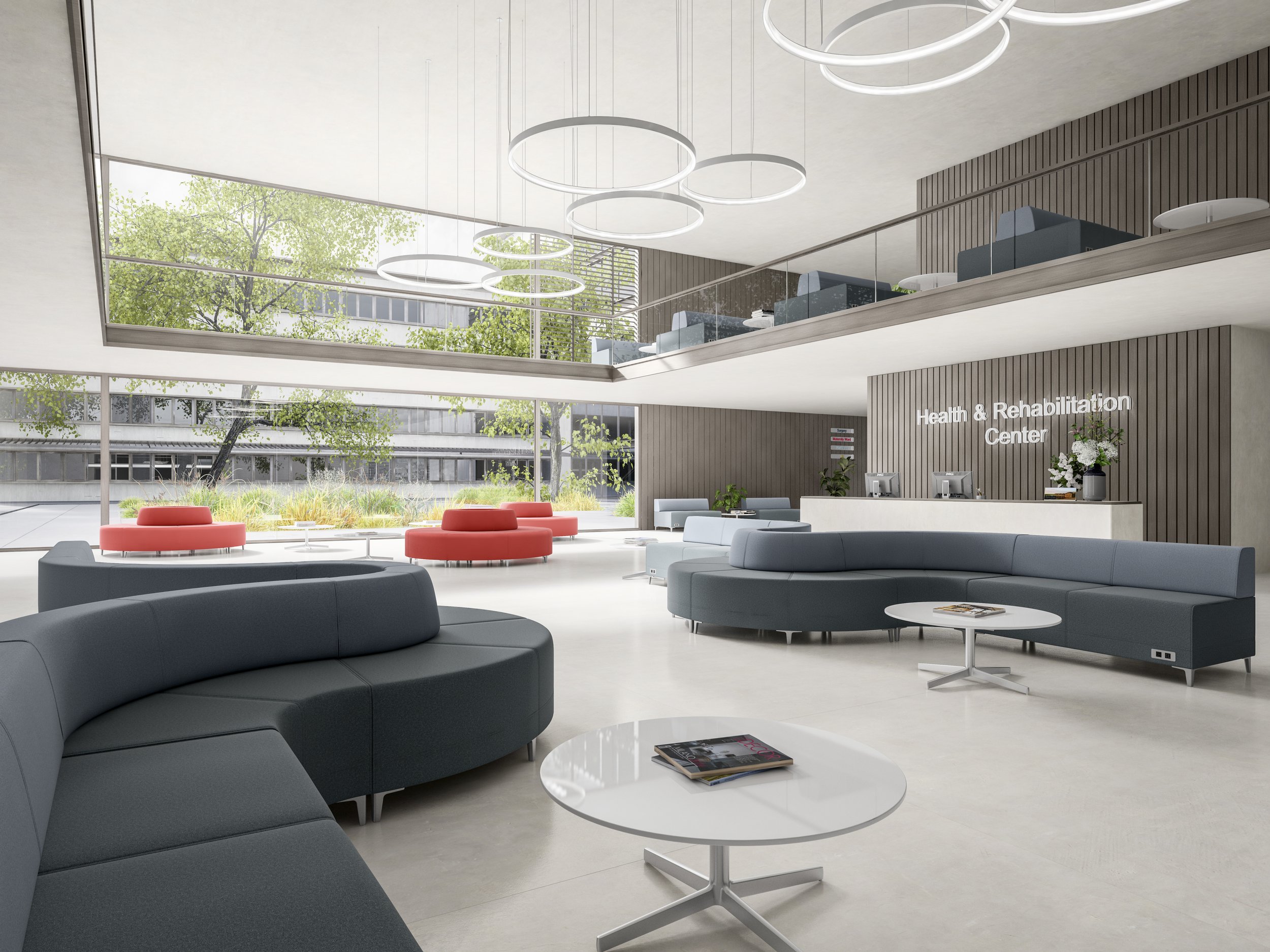
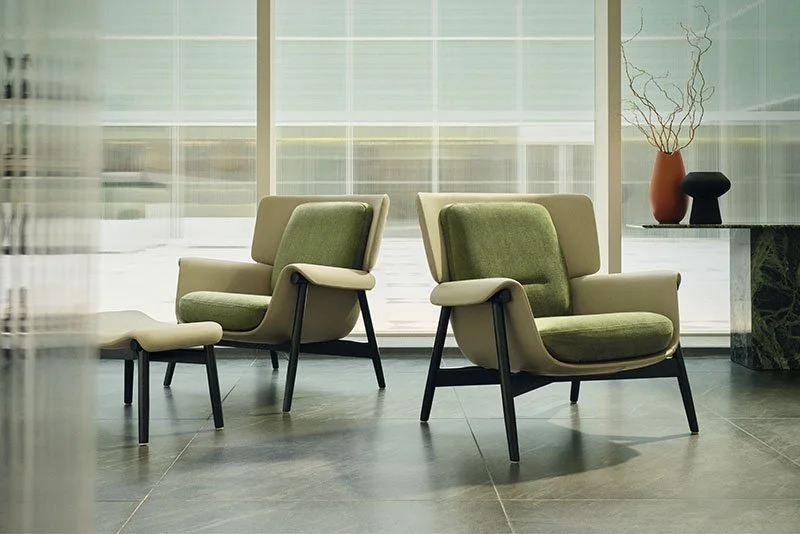
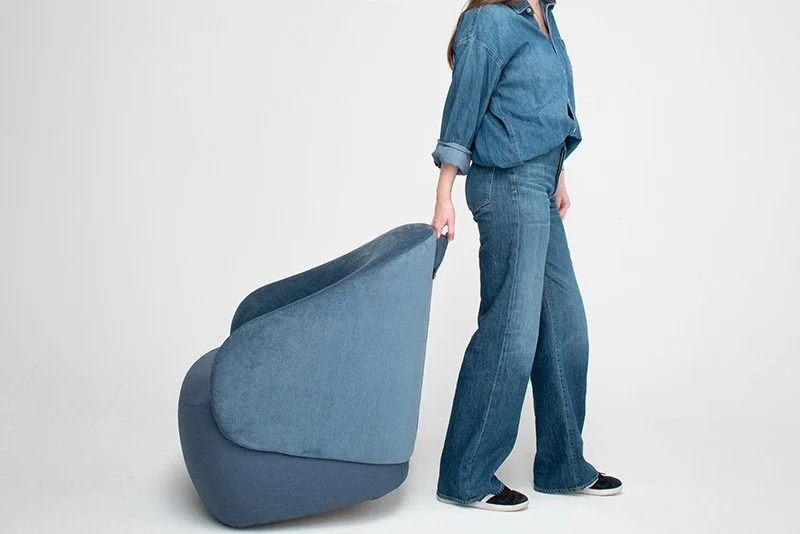
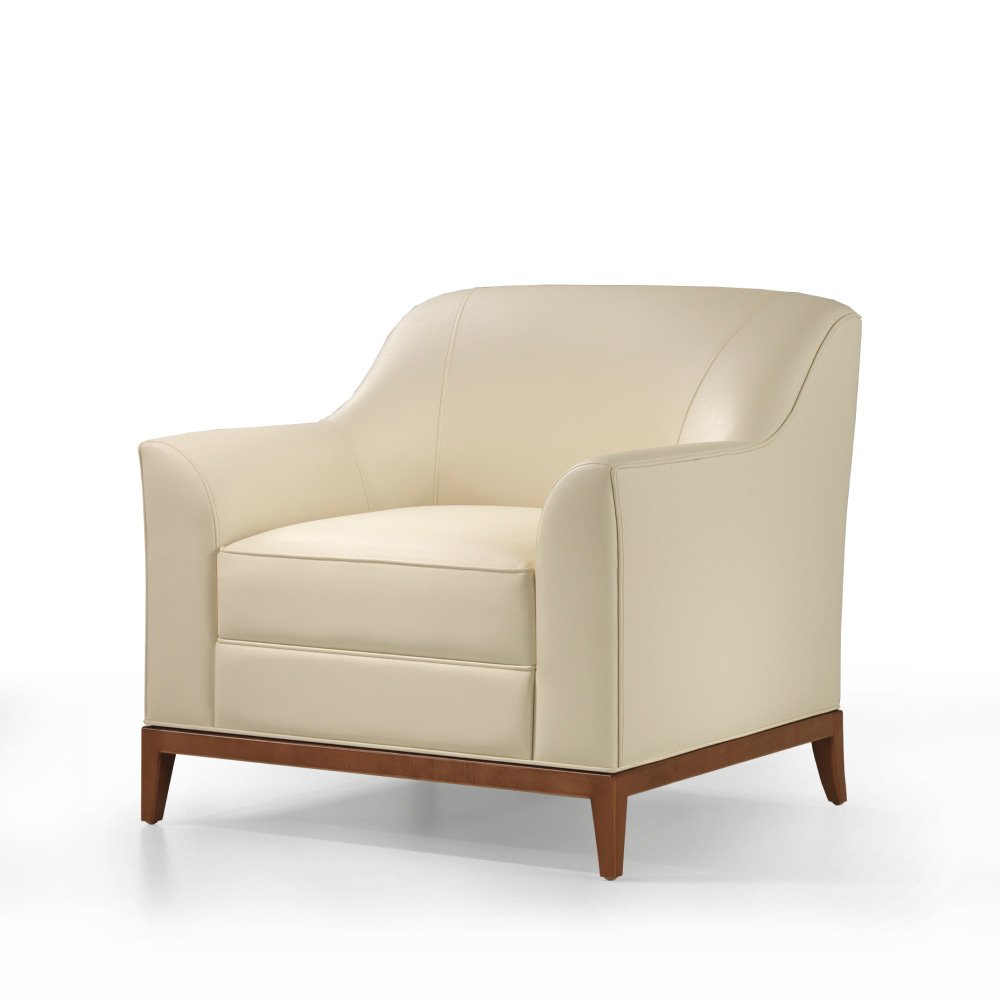
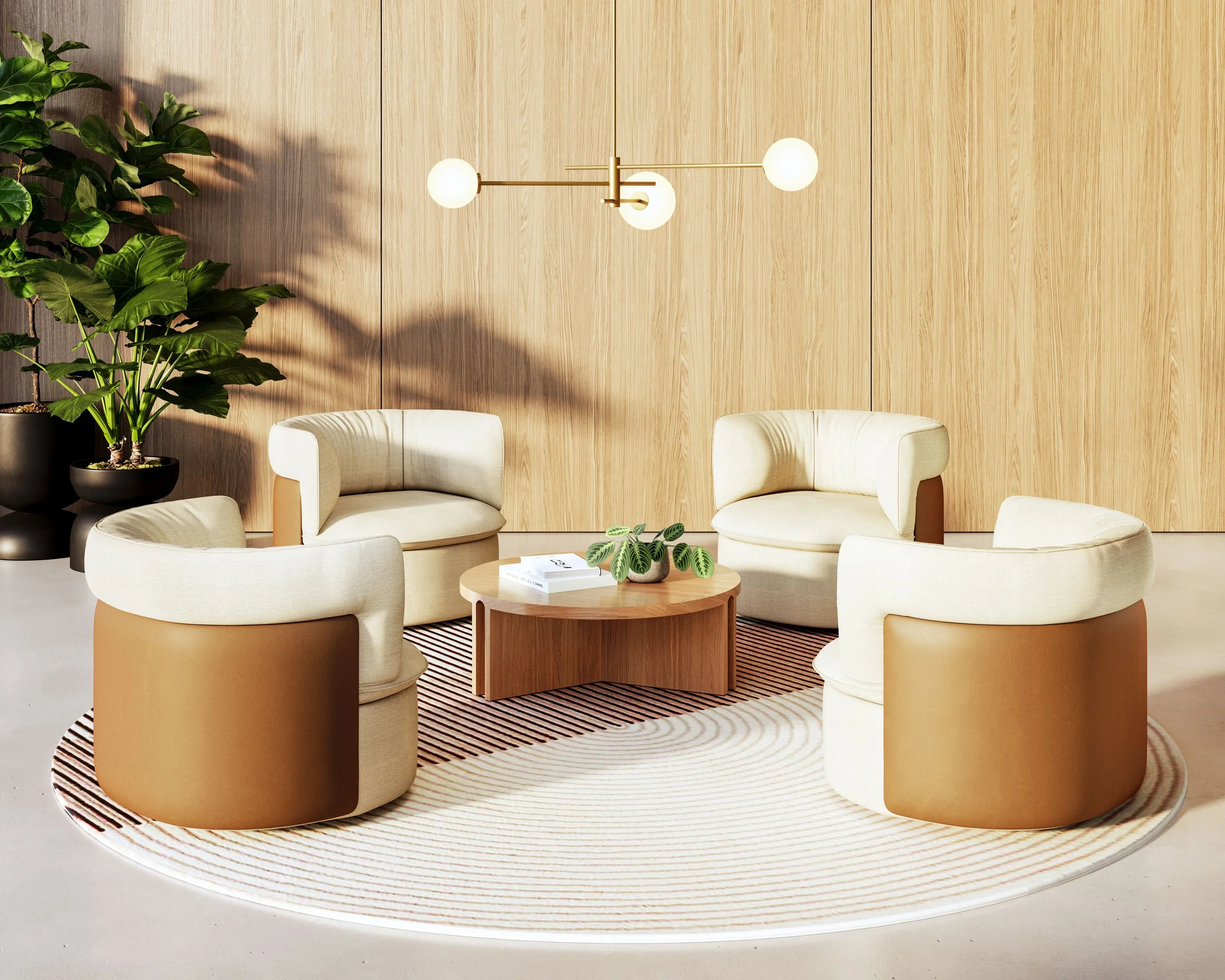
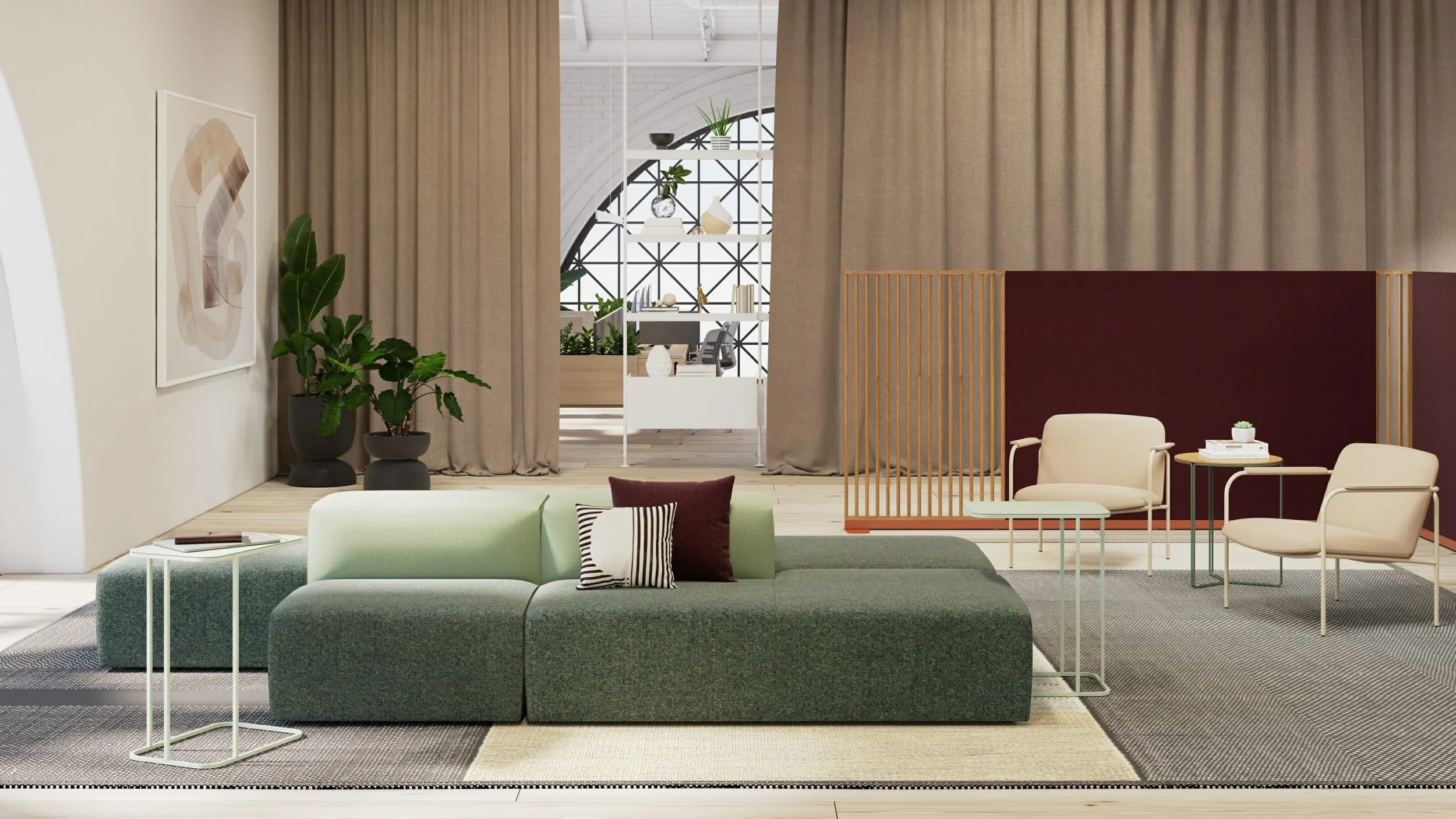
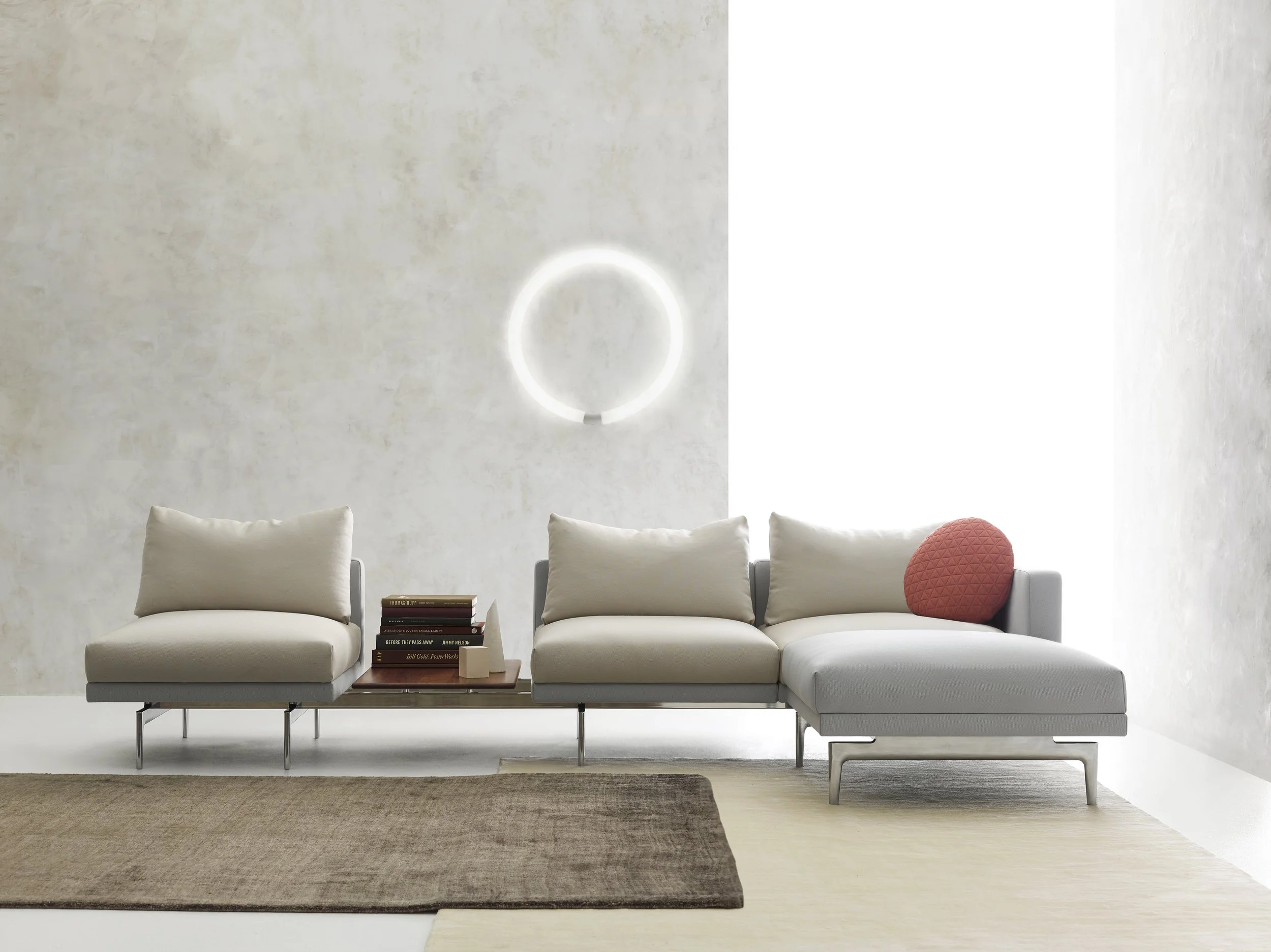
Traditional. Modular. By the inch.
With legs, or millwork, or choose the plinth.
With power. Without. Indoors. Or out.
Fixed or flexible. Move about.
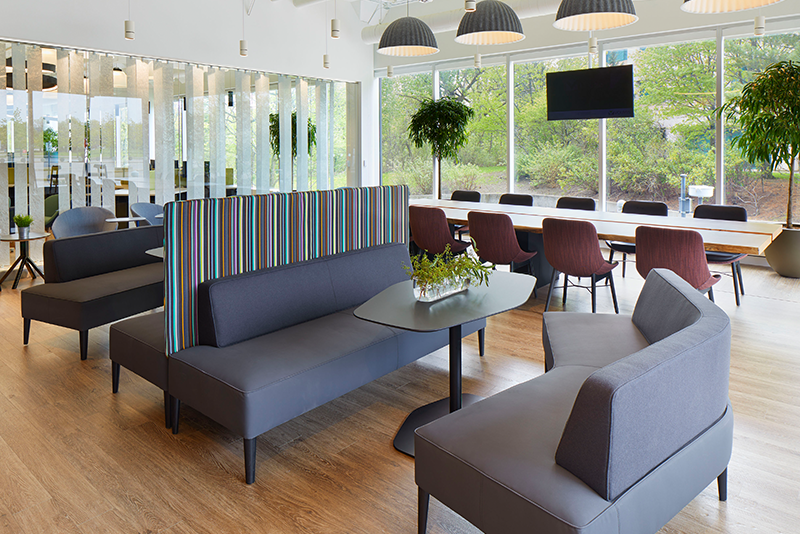
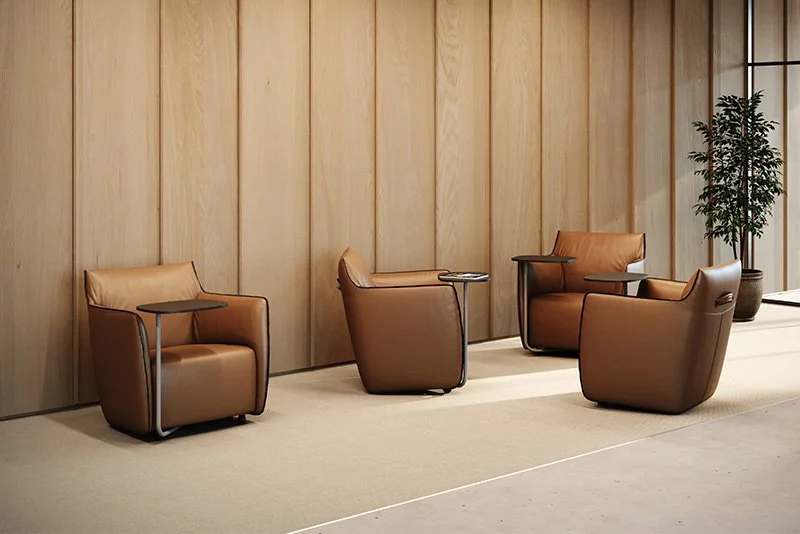
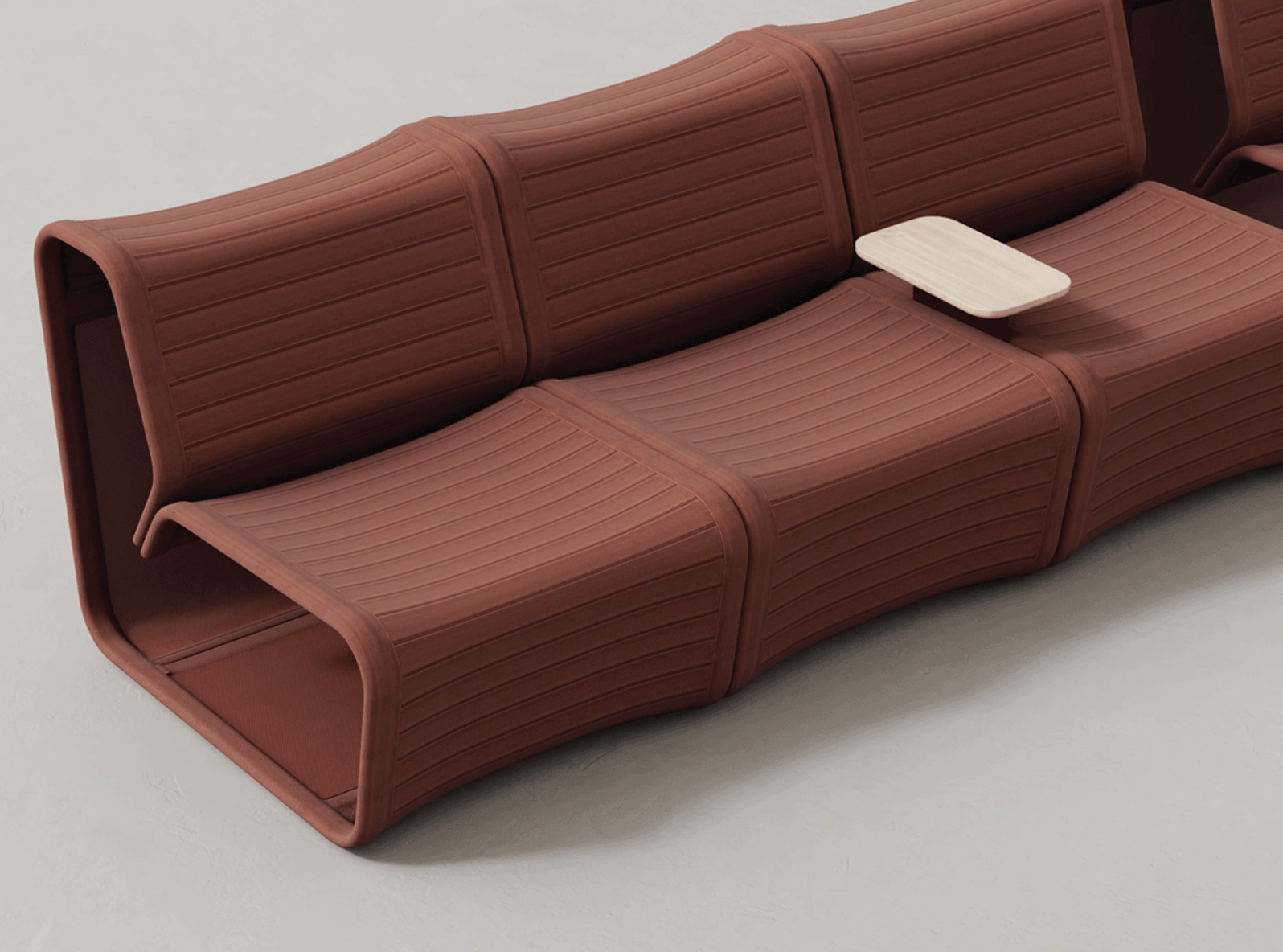
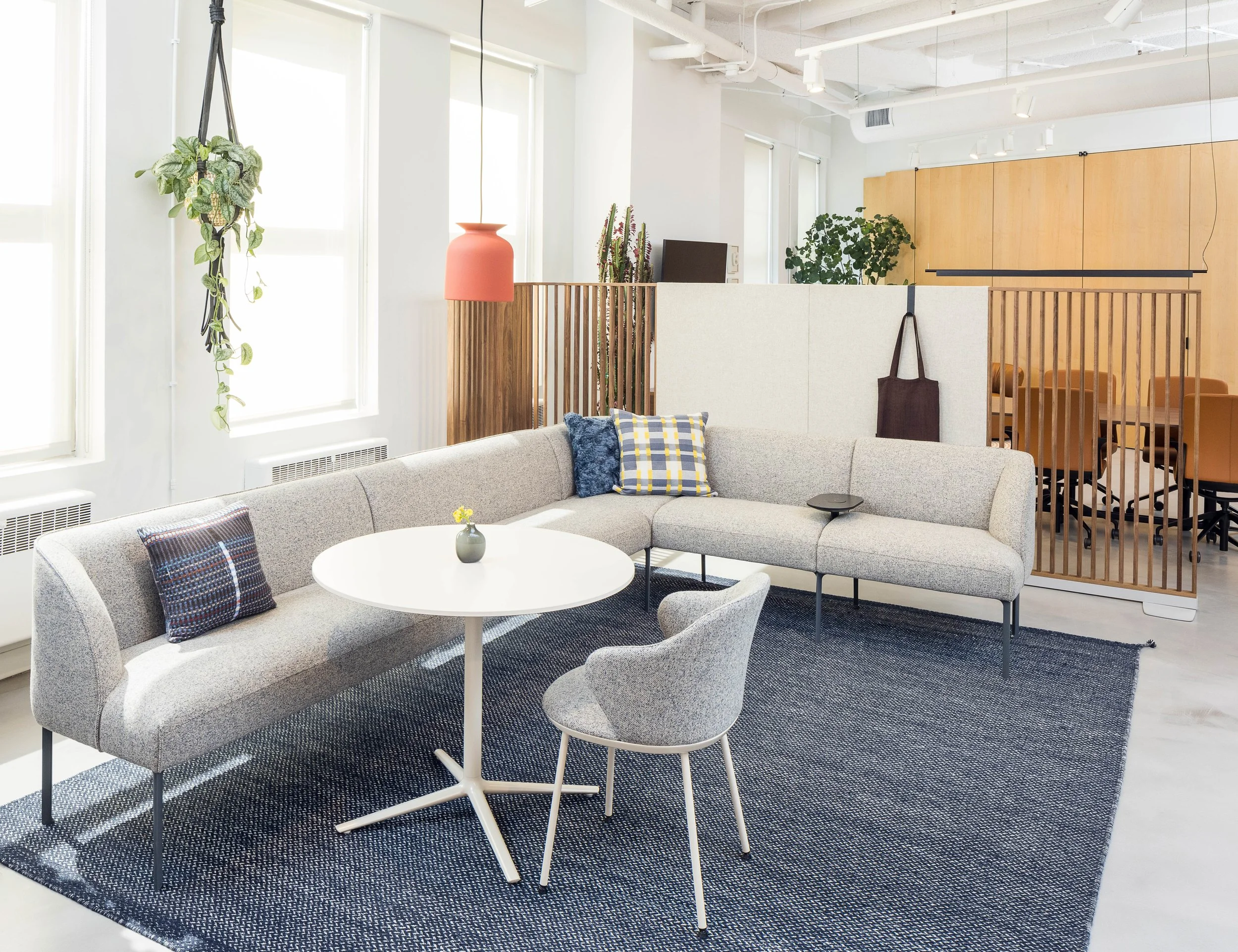
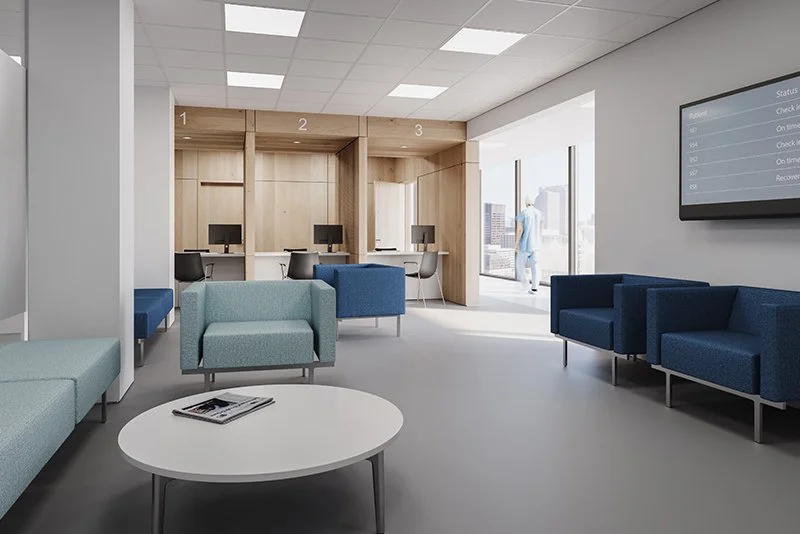
Workspace. Meeting space.
Share takeout.
Lounge around. Talk it out.
Make it yours - a quiet hideout.
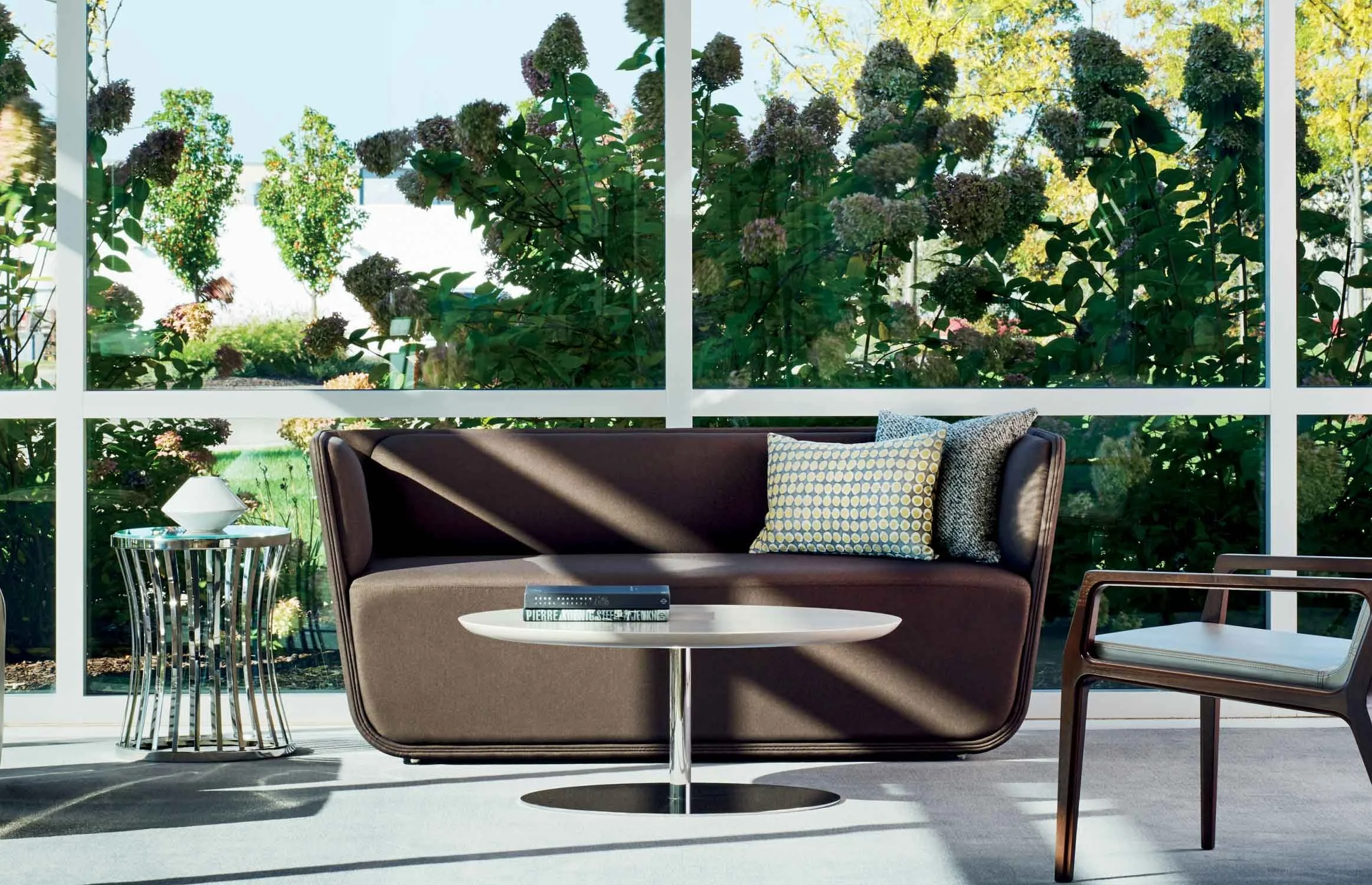
Take a break.
Find your smile.
Have a seat.
Just stay awhile.
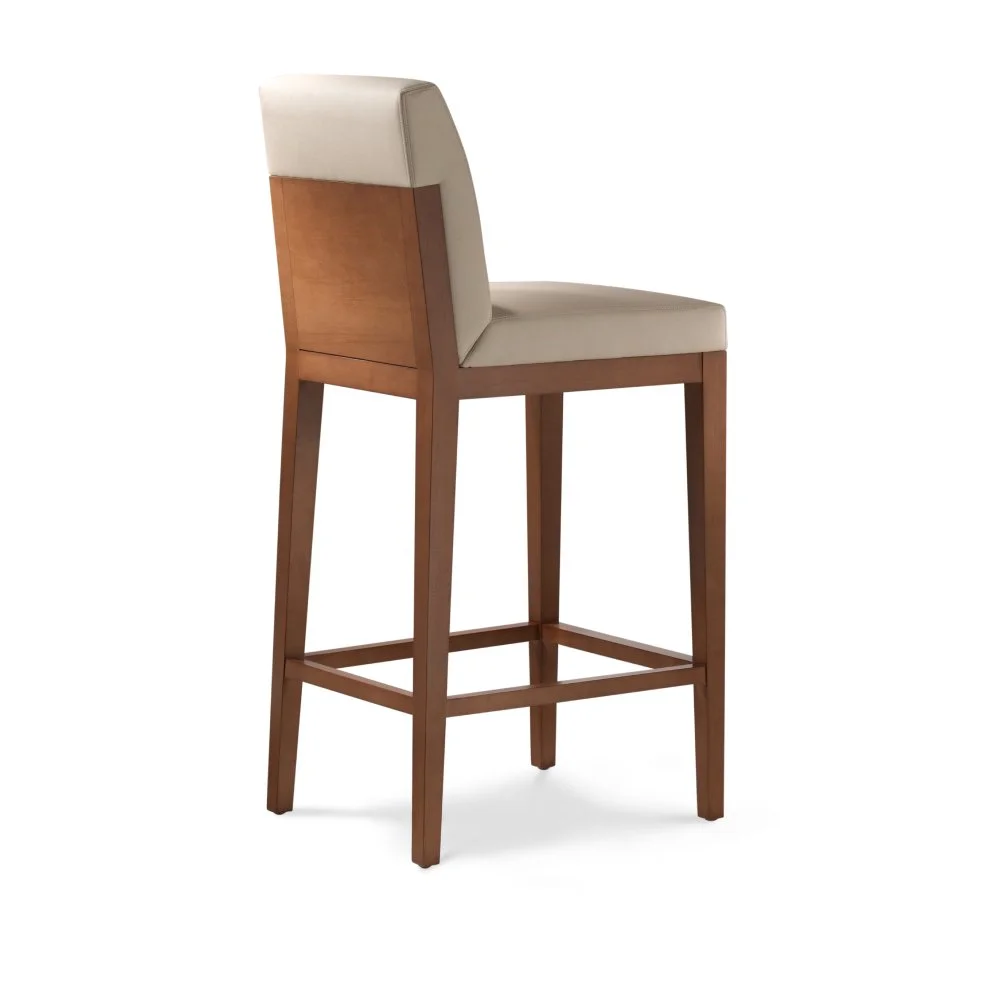
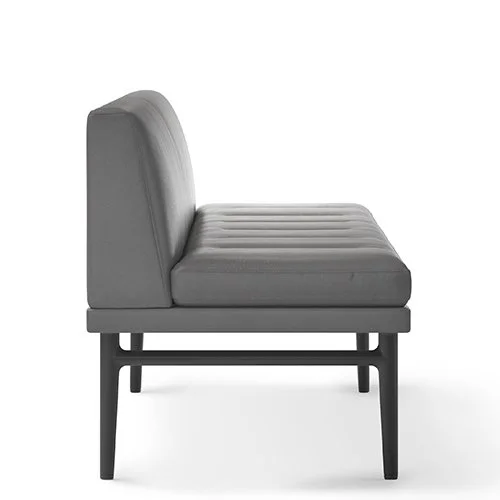
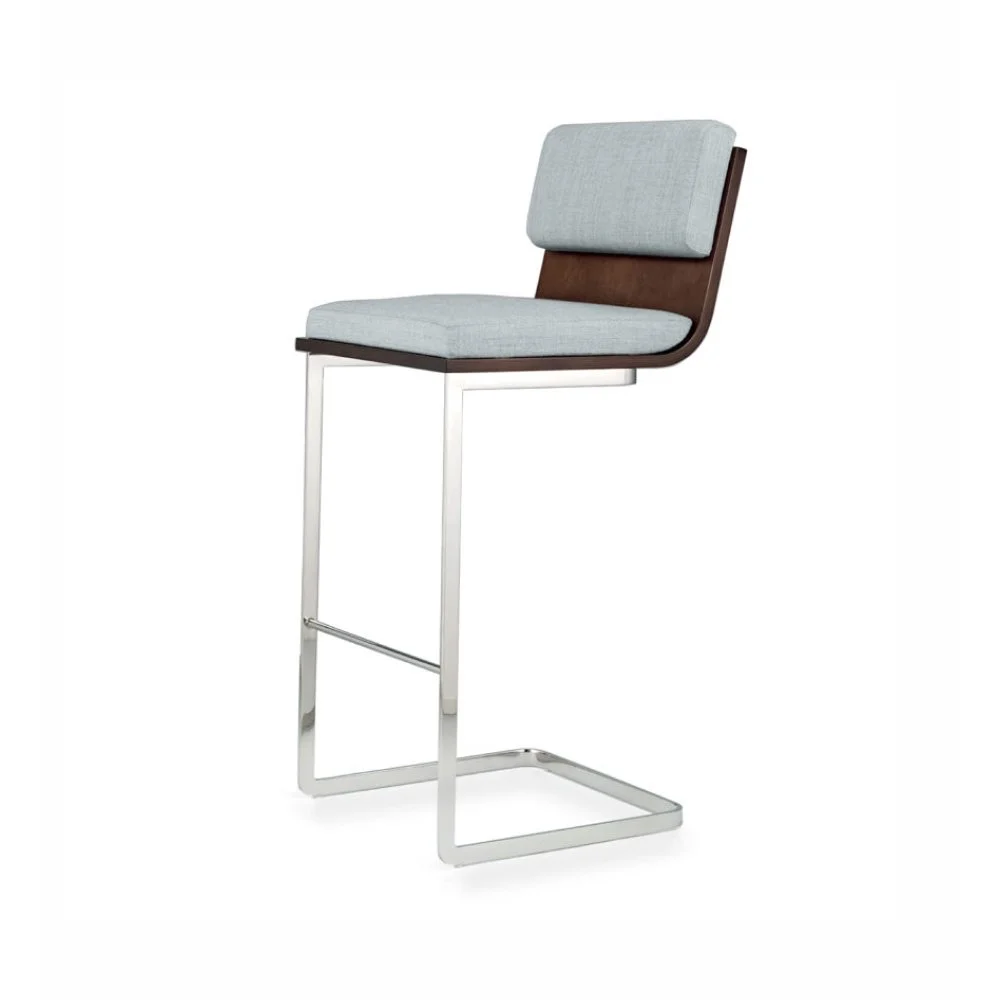
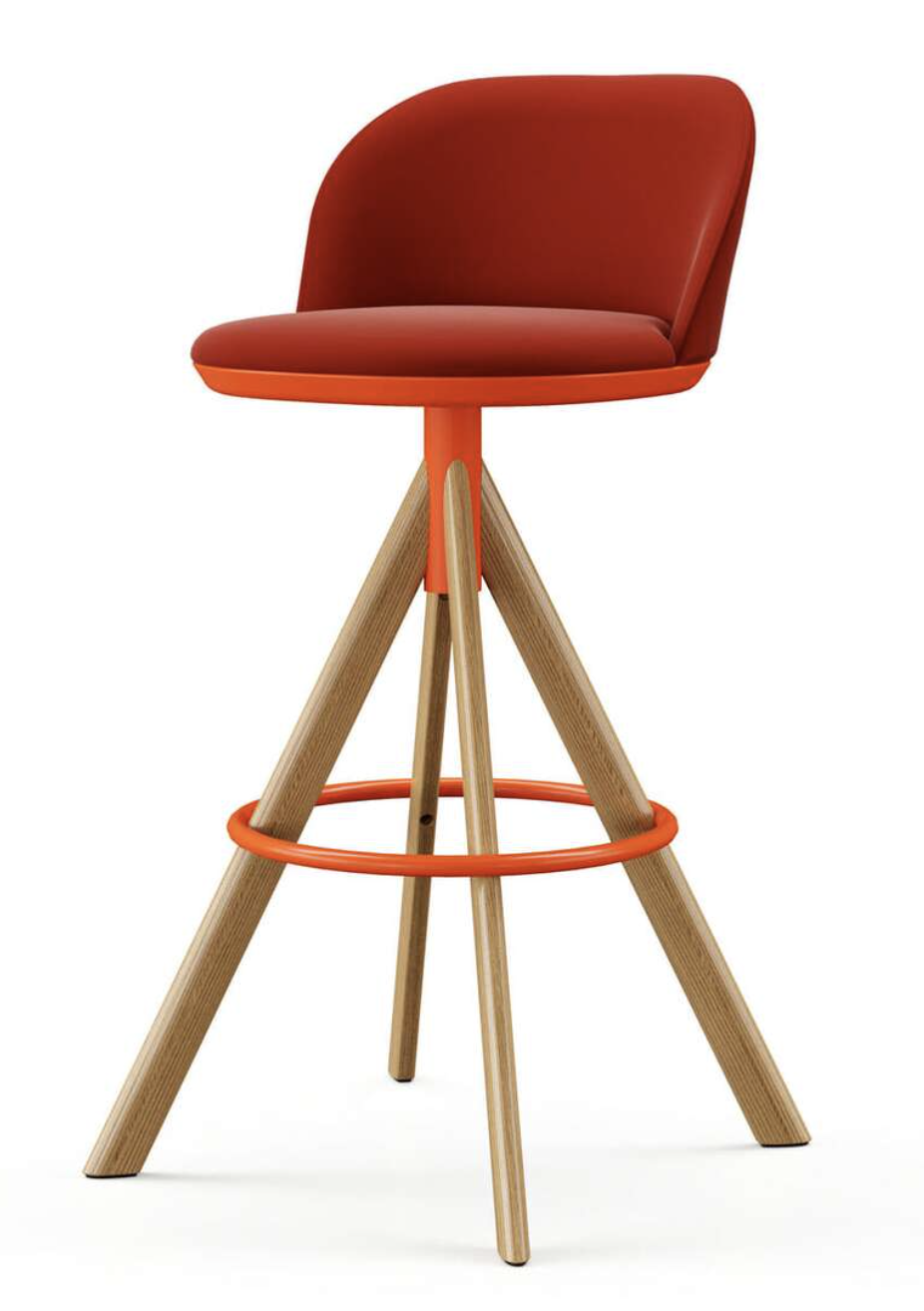
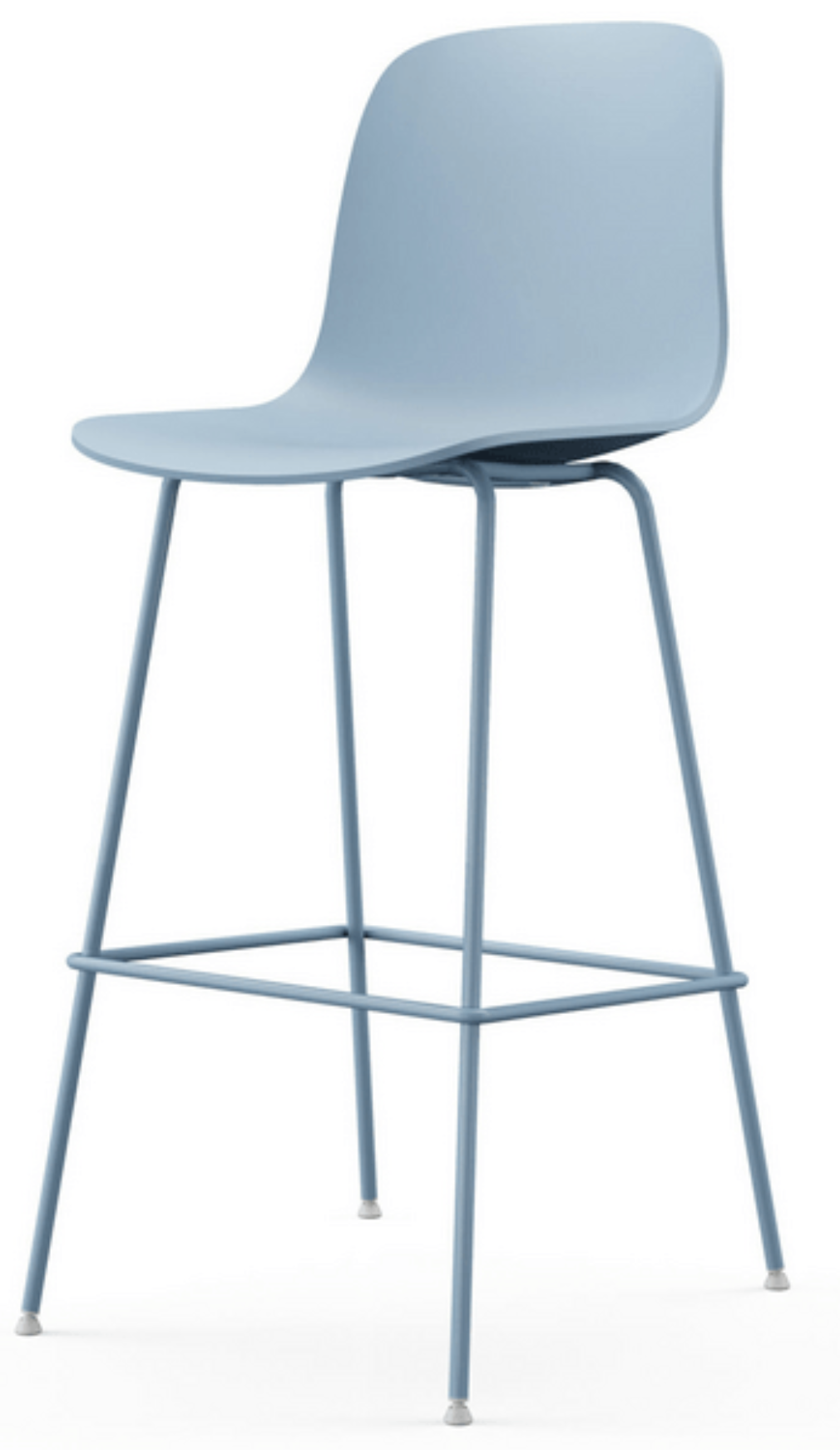
Stools, Benches, Poufs & Ottomans
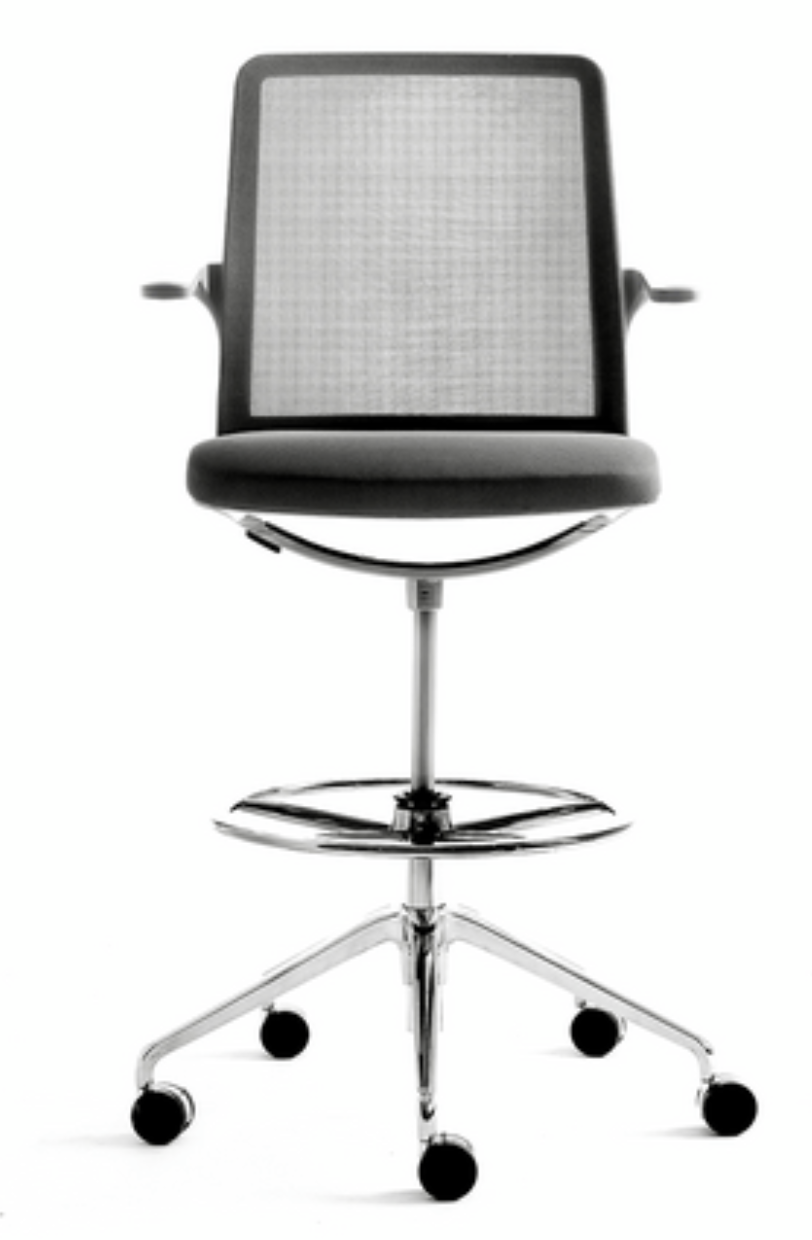
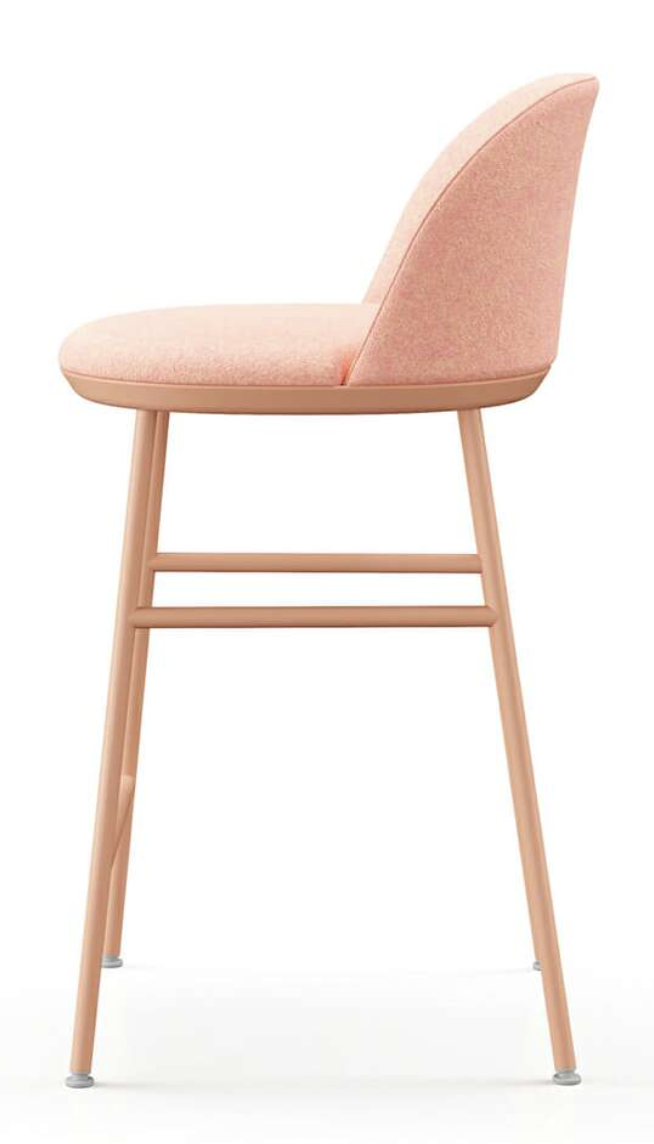
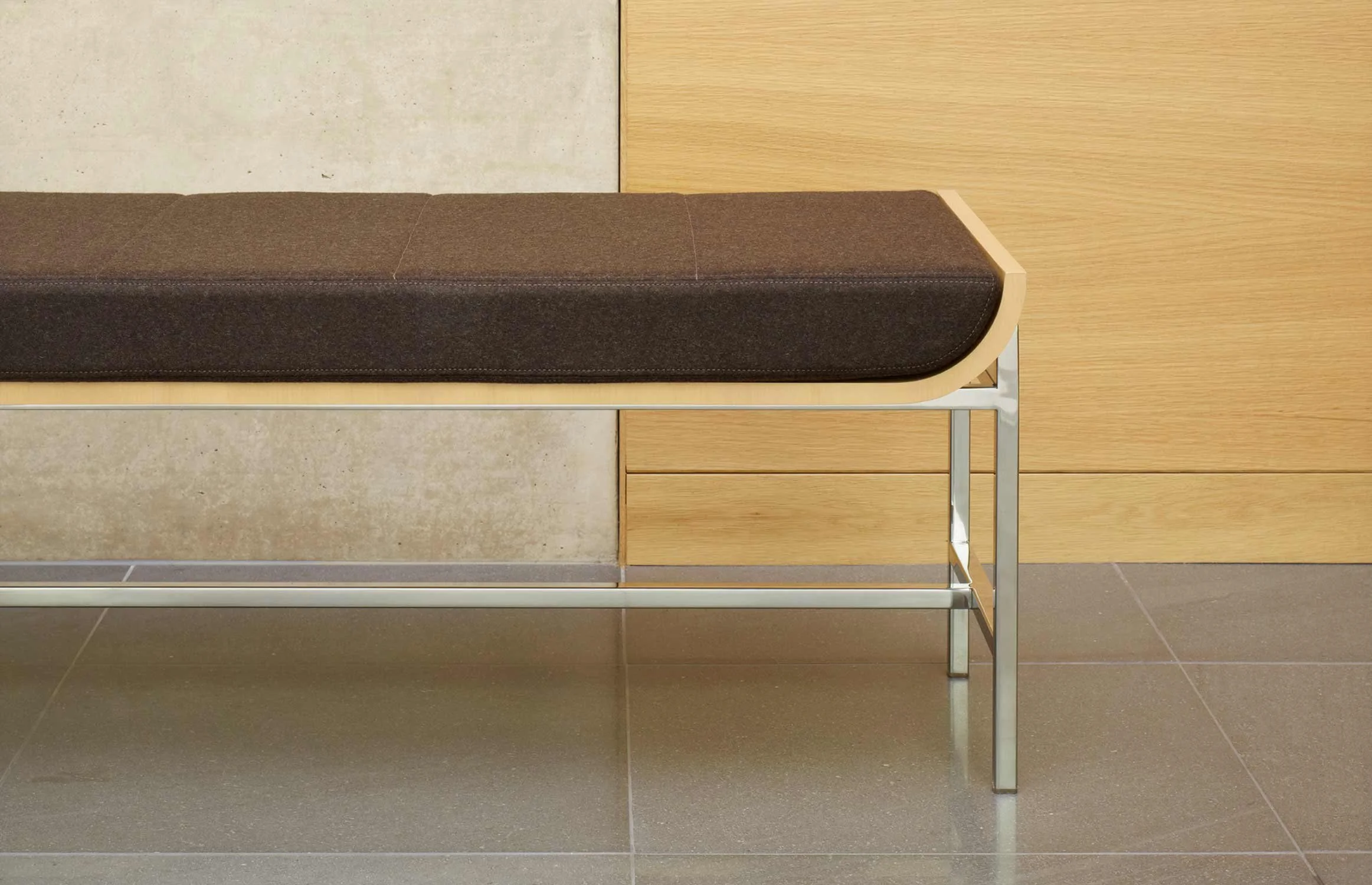
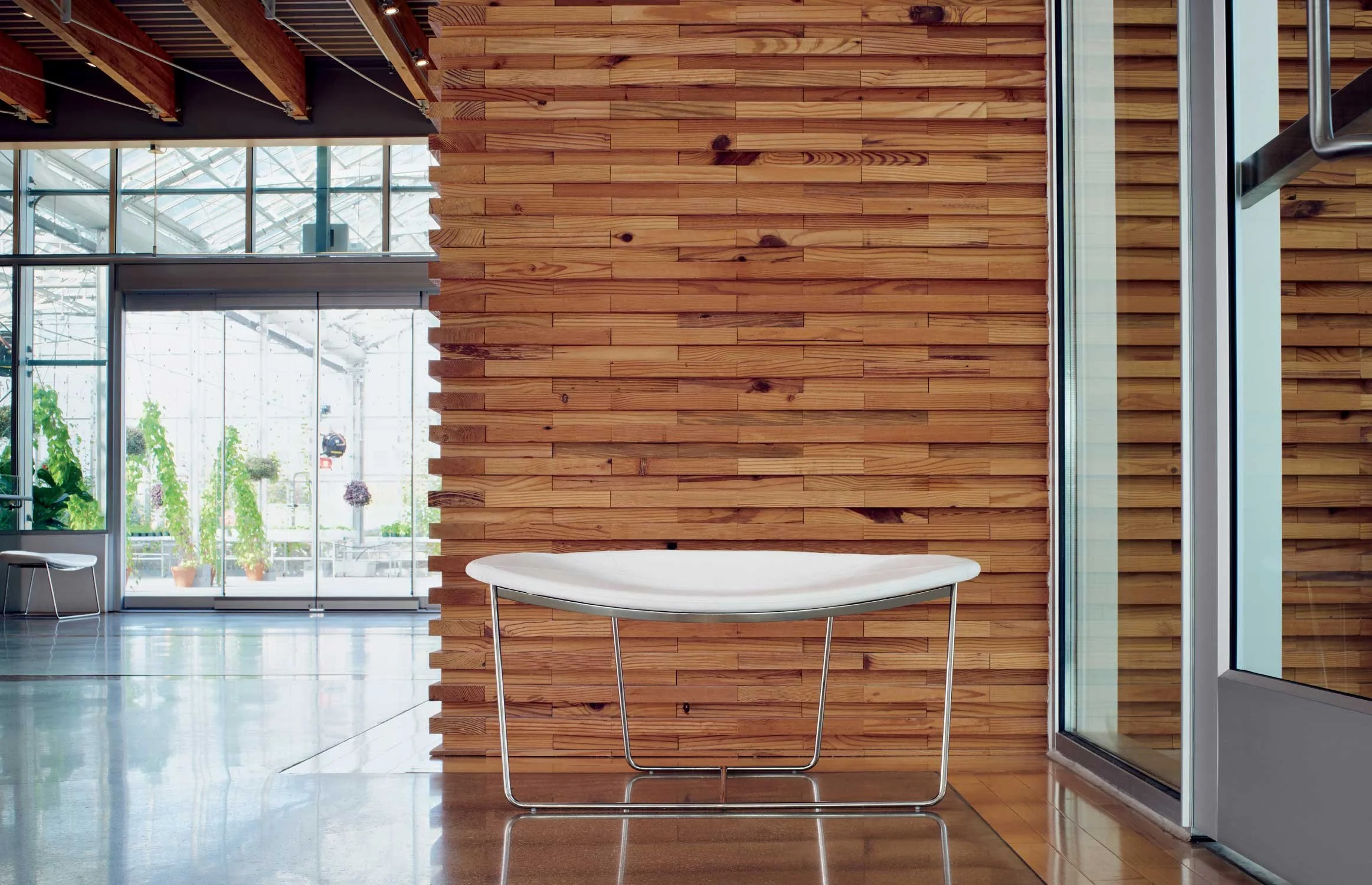
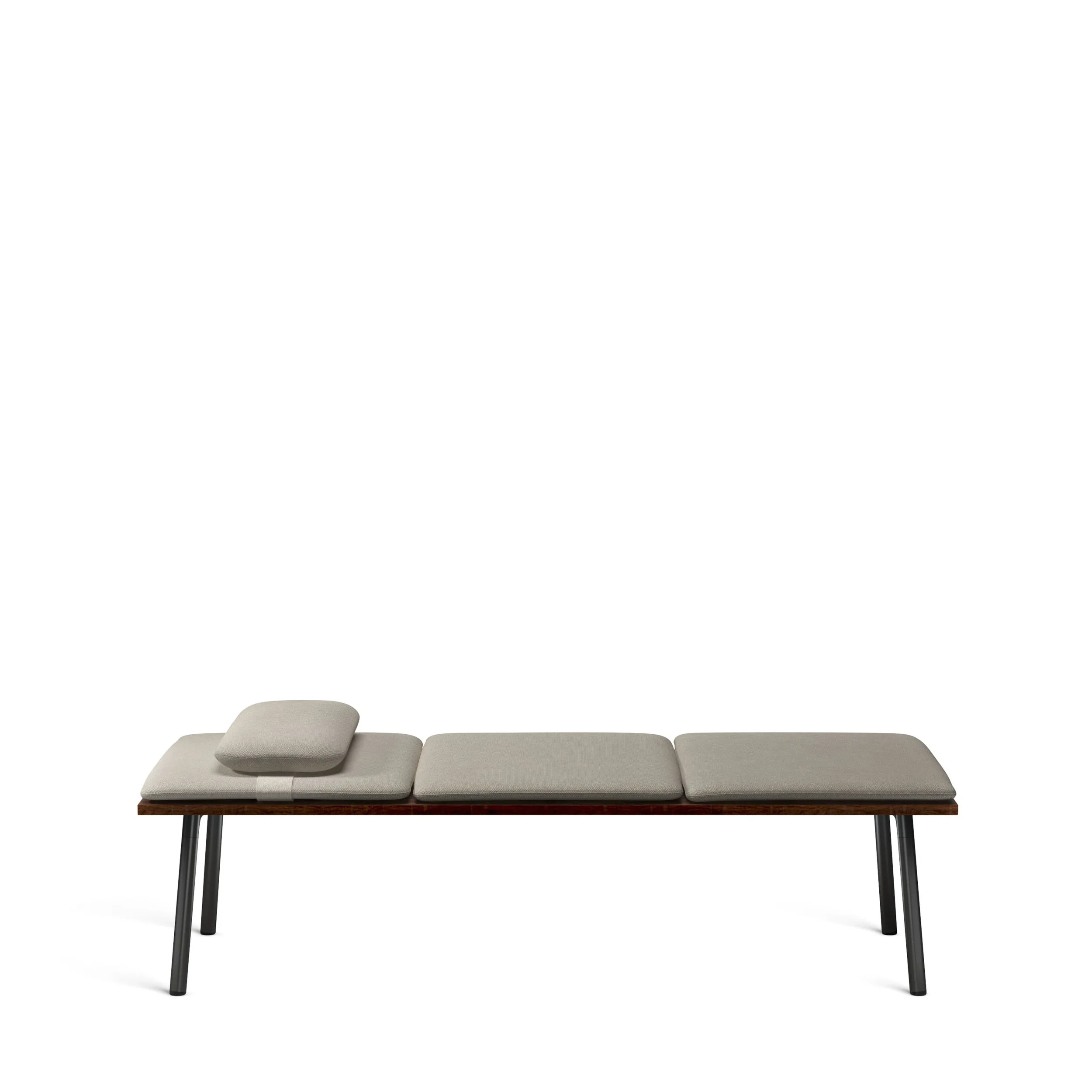
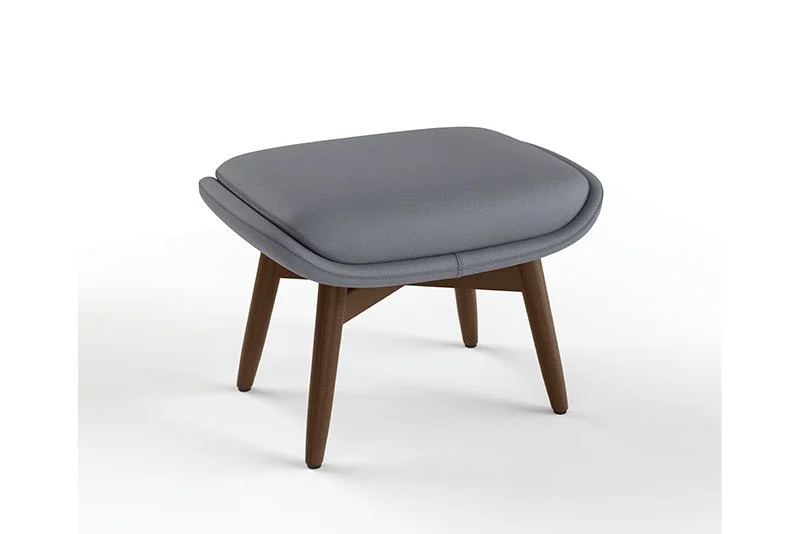
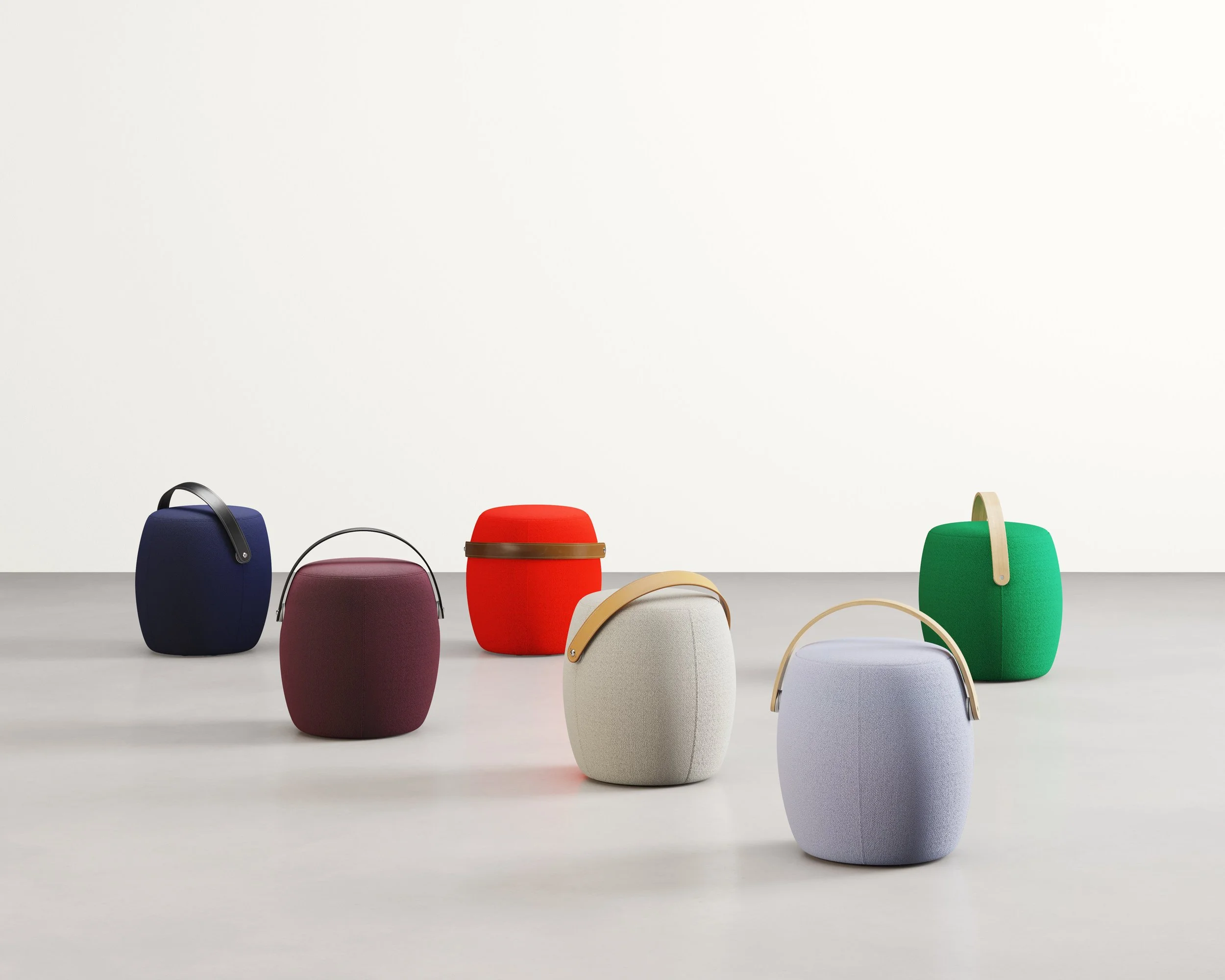
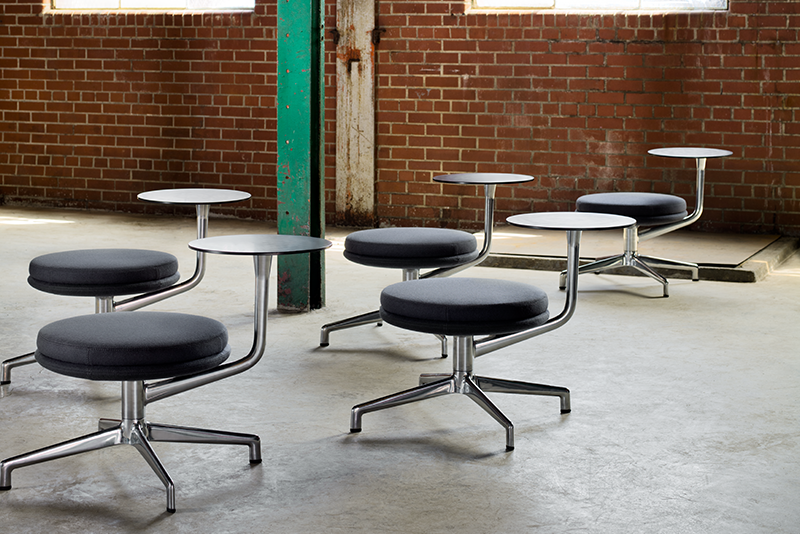
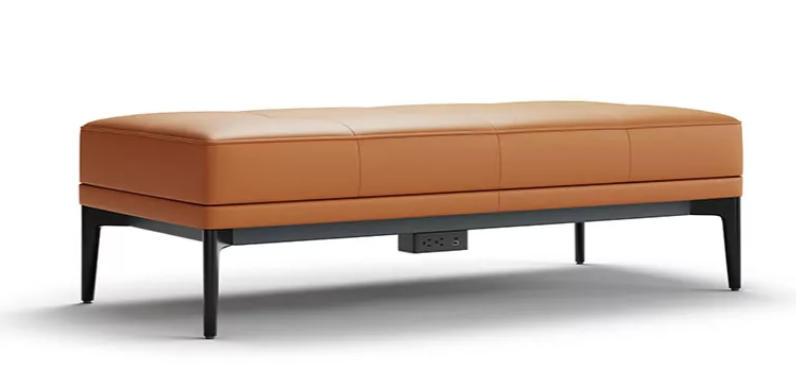
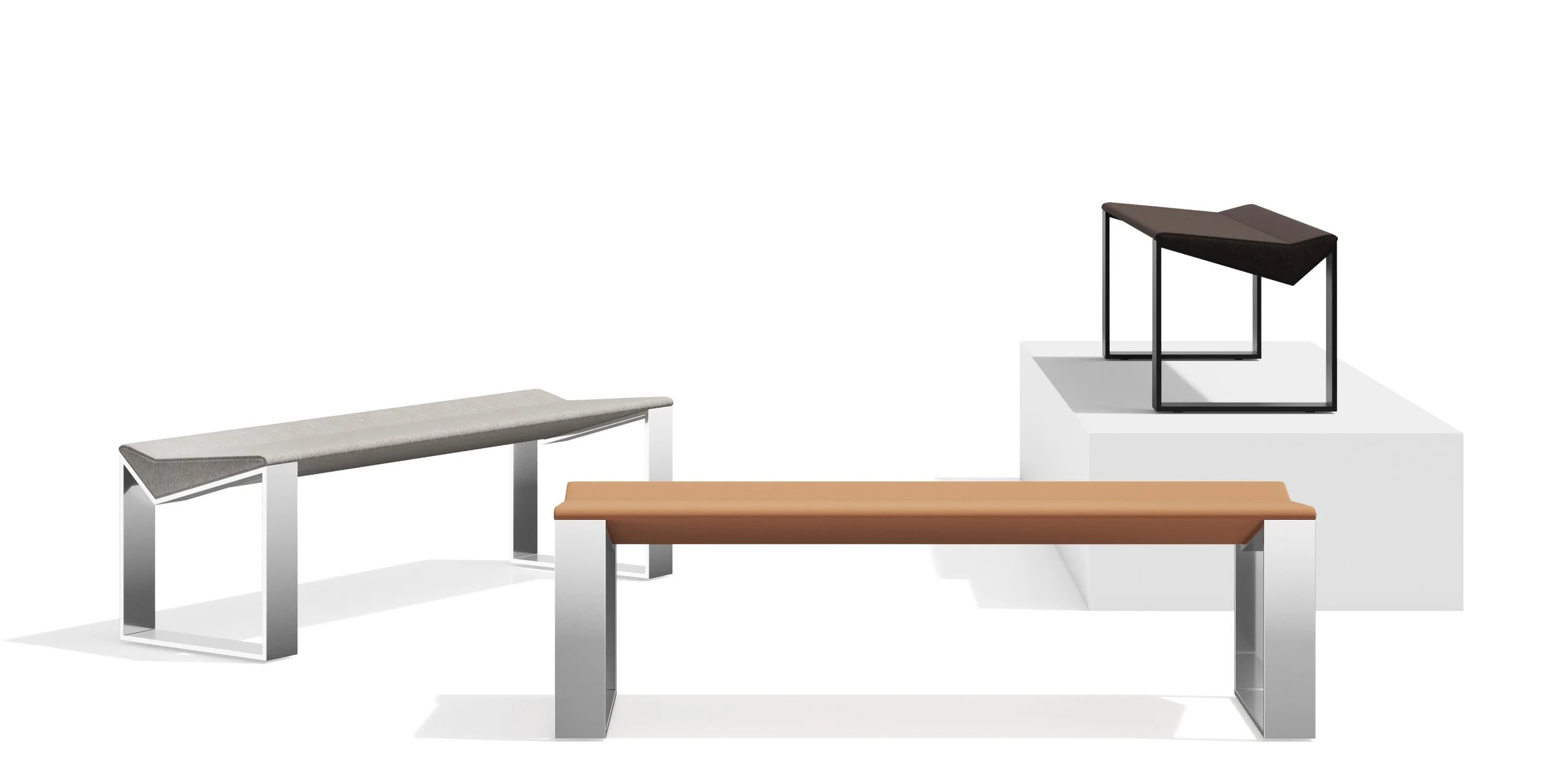
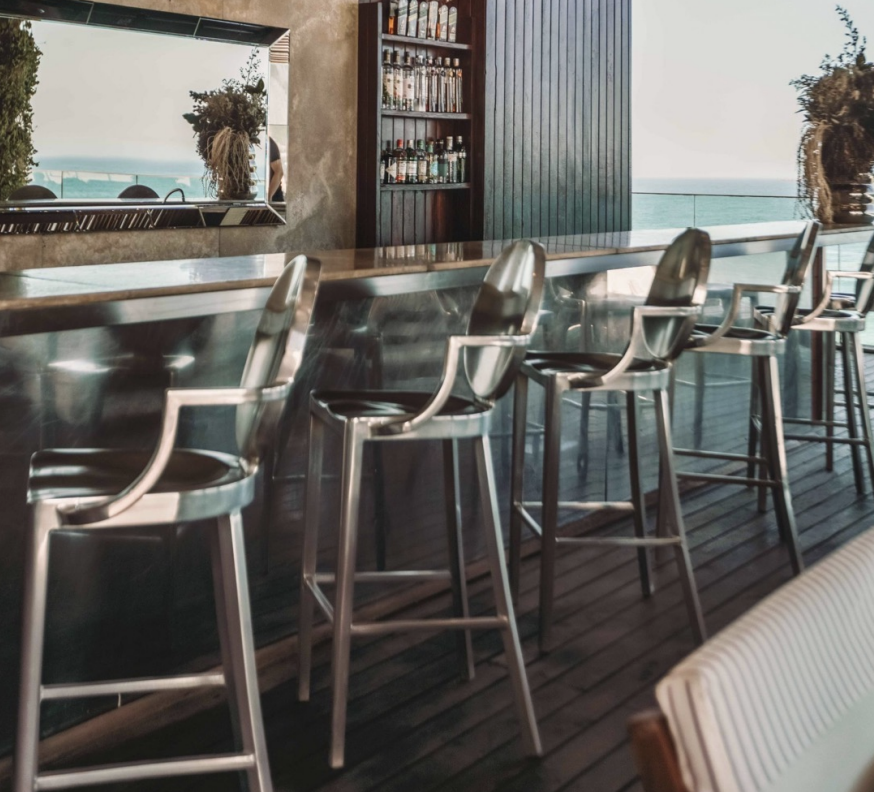
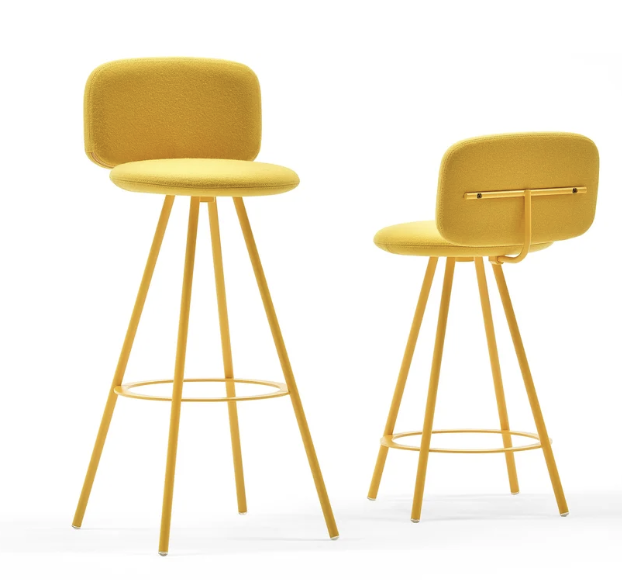
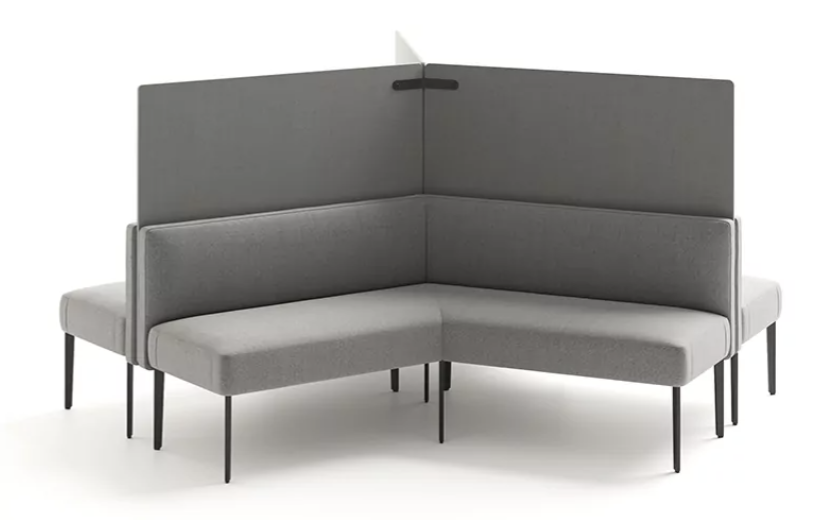
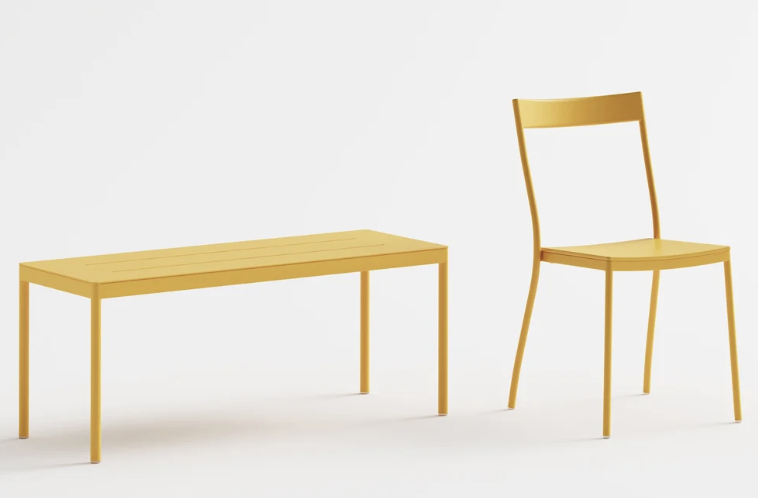
These pieces act like punctuation in a floor plan.
Benches are the dashes - extending a line, connecting spaces, encouraging movement.
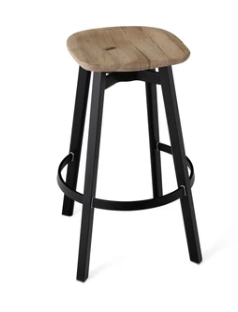
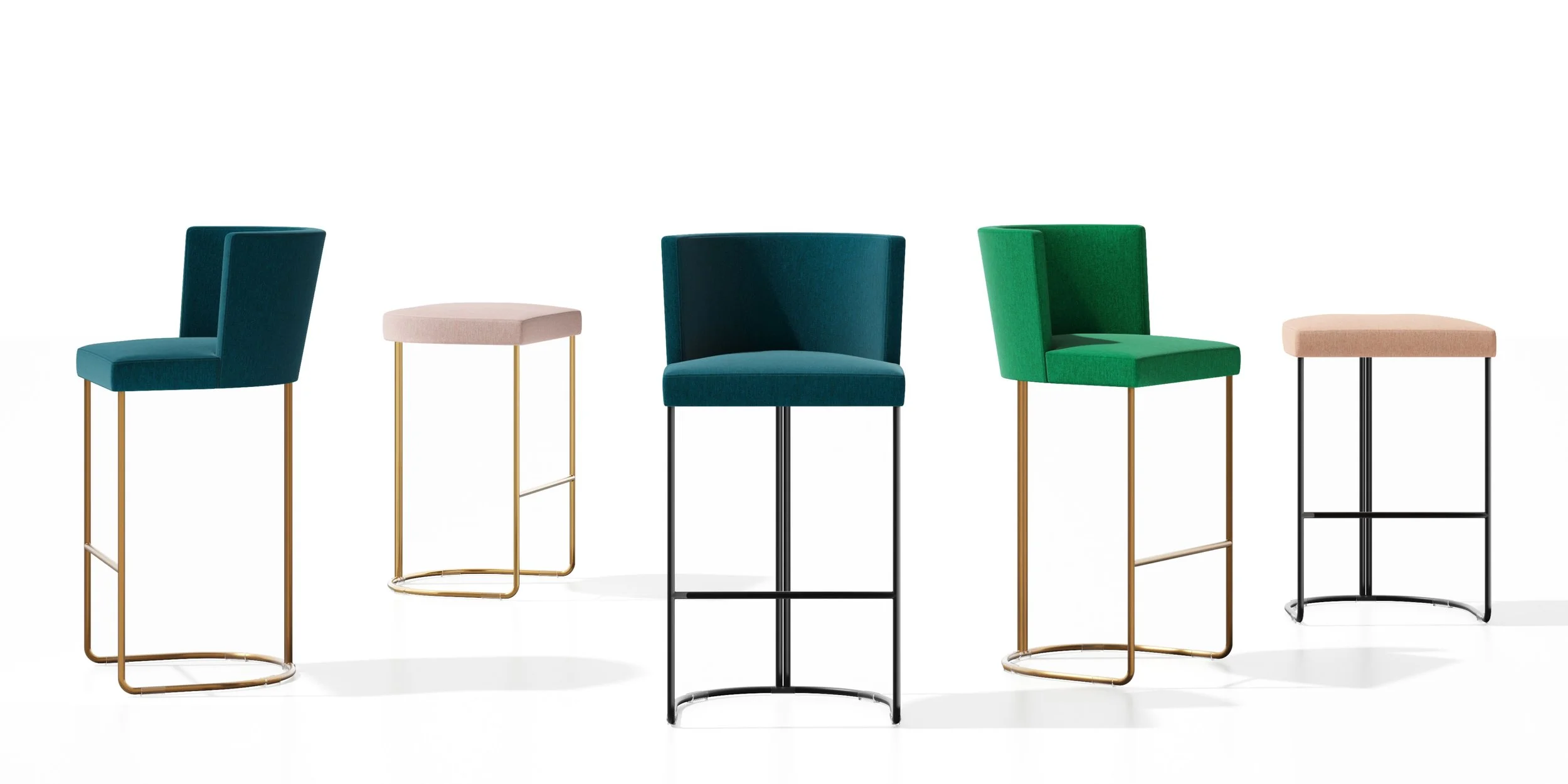
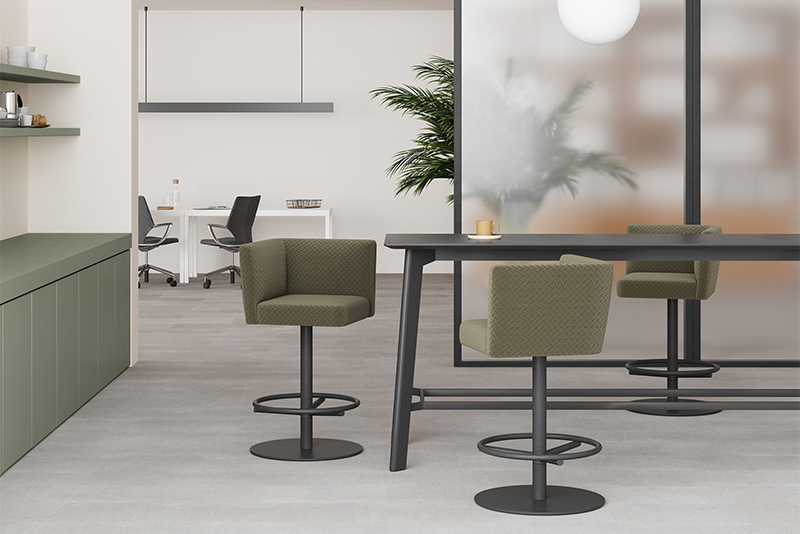
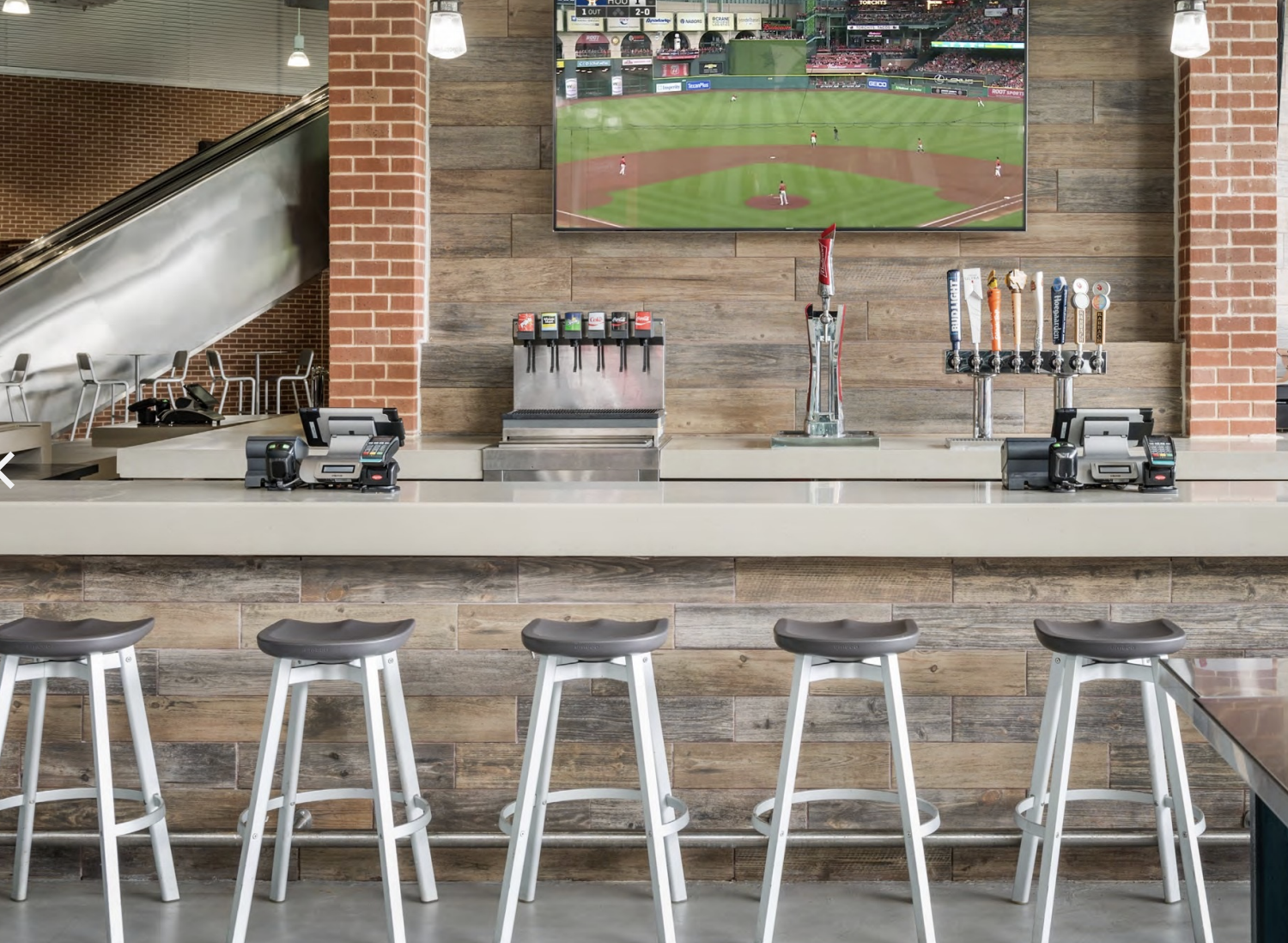
Stools are commas - brief pauses, places to land without settling in.
Poufs are colons and semicolons - flexible, informal, shifting how a space is read.
Ottomans are the period - an invitation to stop, sit, and stay for a moment.
Small in scale, these elements quietly shape circulation, behavior, and comfort.
Screens, Shelving & Finishing Elements
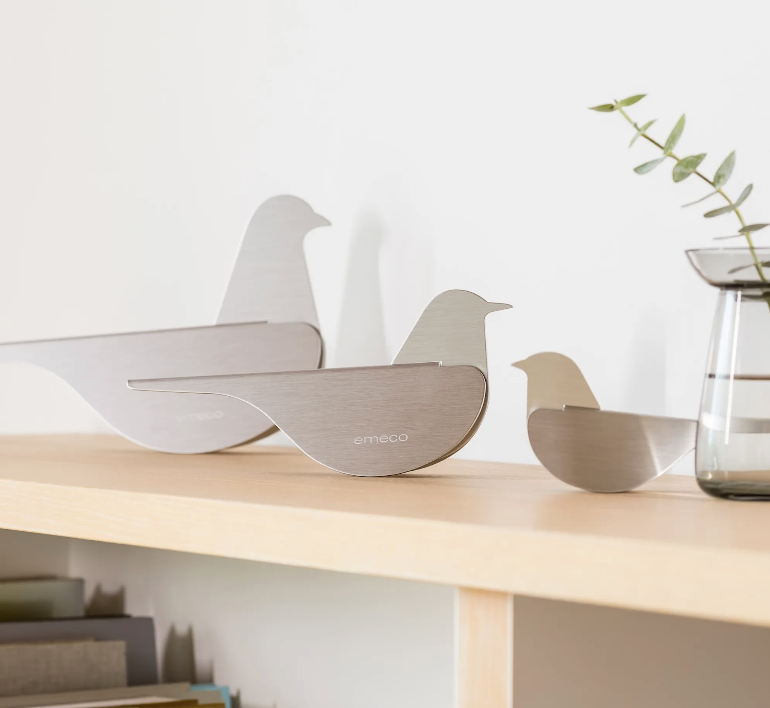
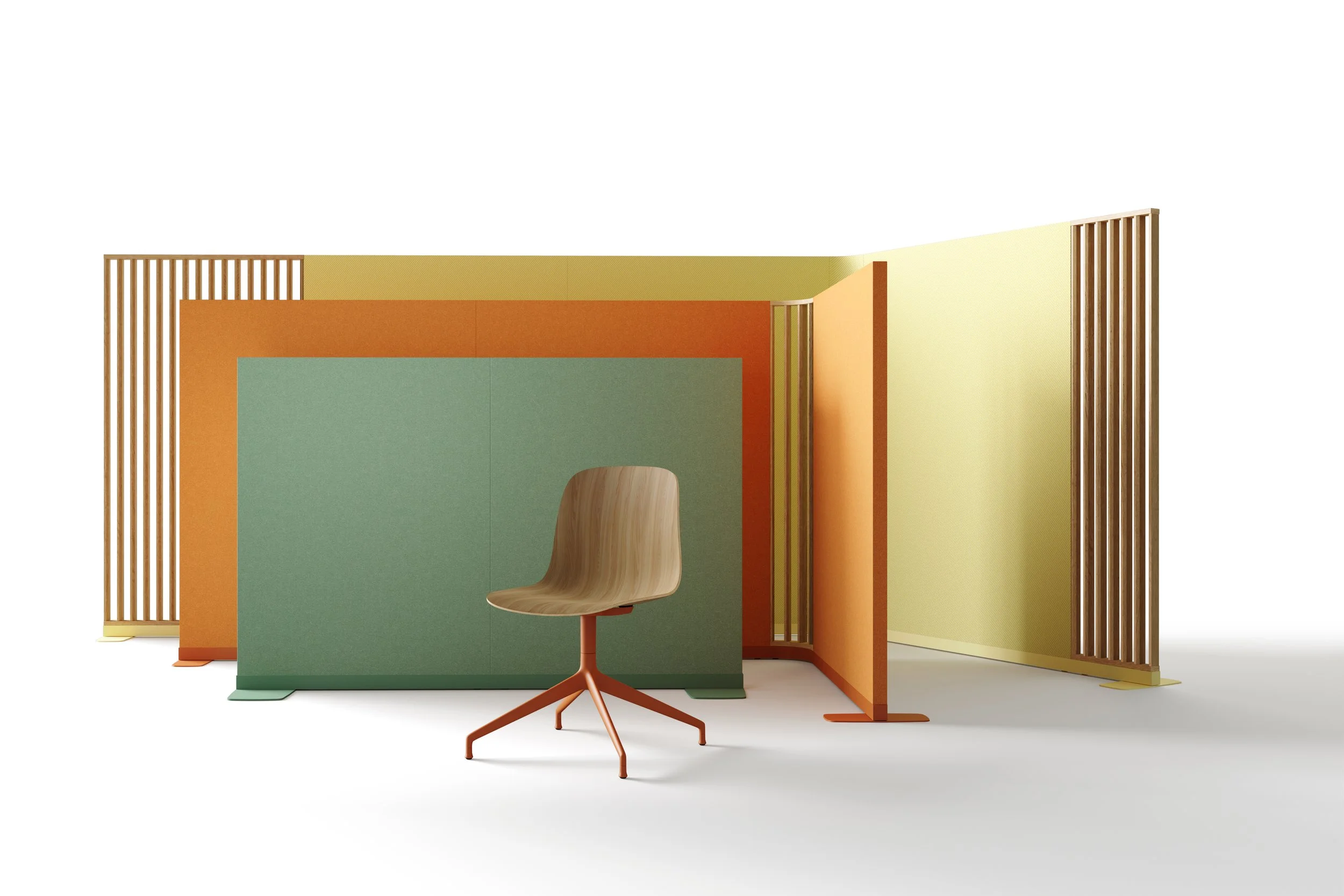
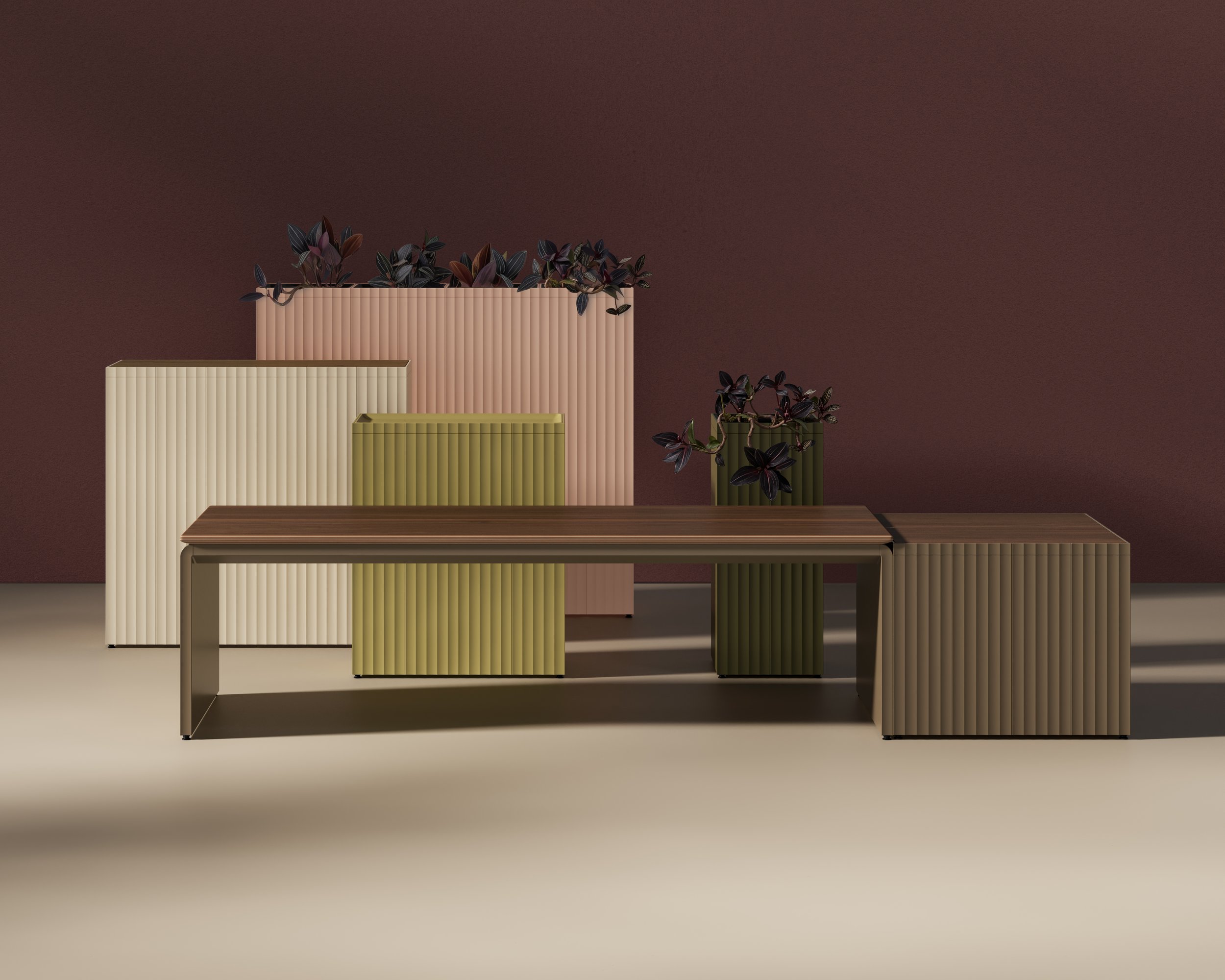
A space isn’t finished when the major pieces arrive.
It’s finished when the in-between is resolved.
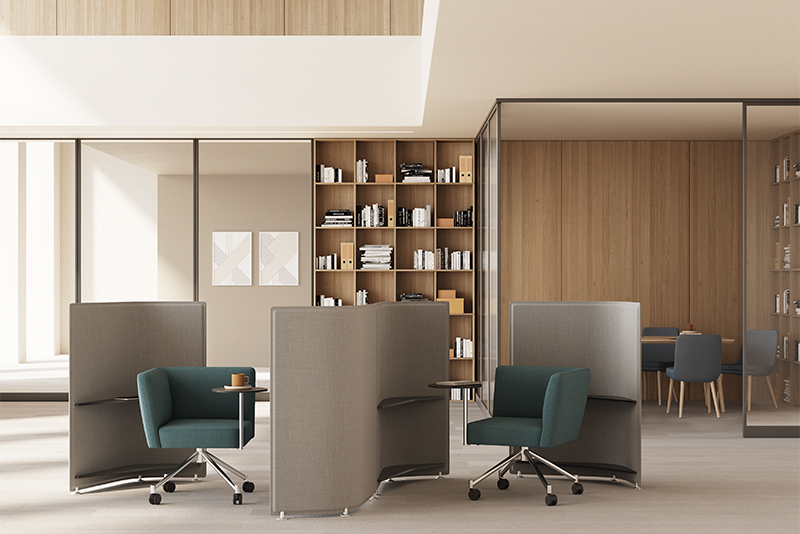
Screens define without closing off.
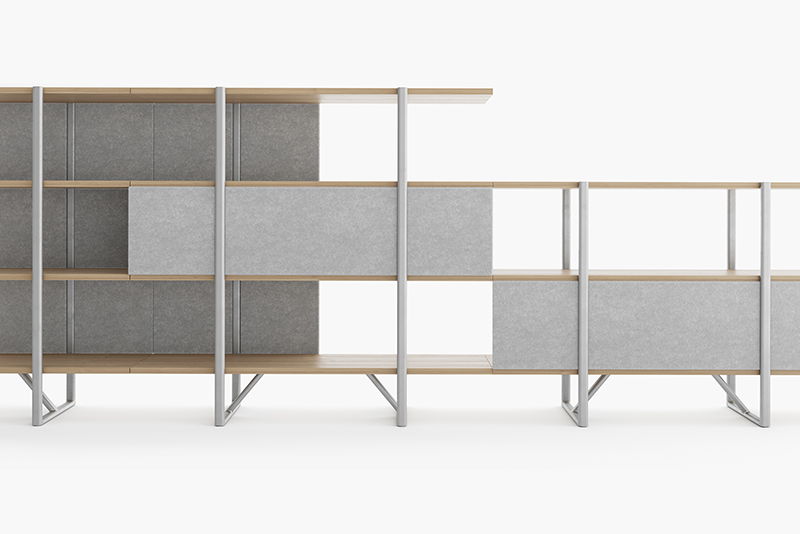
Shelving organizes without dominating.
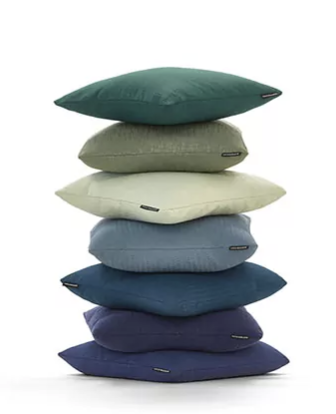
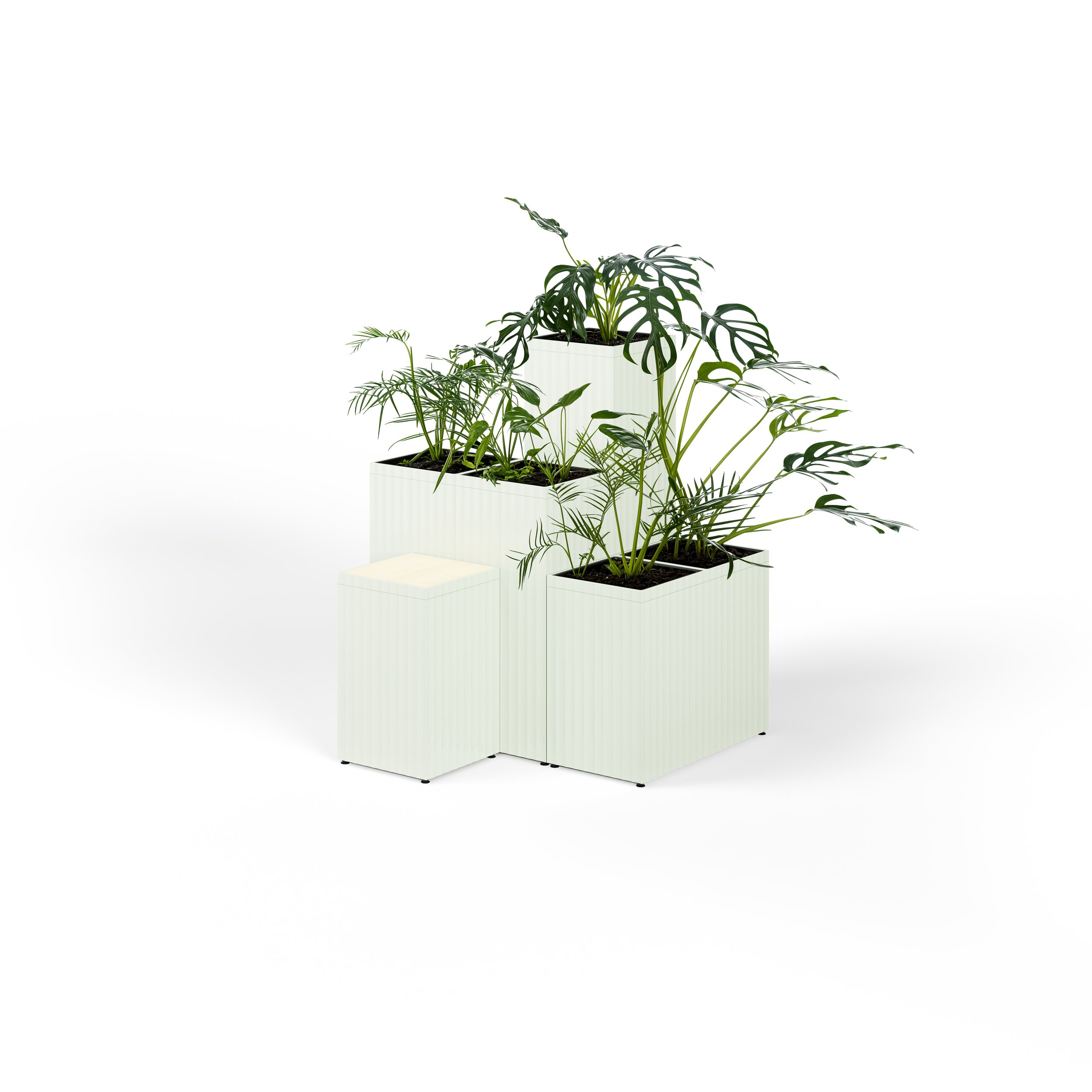
Soft elements — pillows, accessories, surface details — bring warmth and use to the edges.
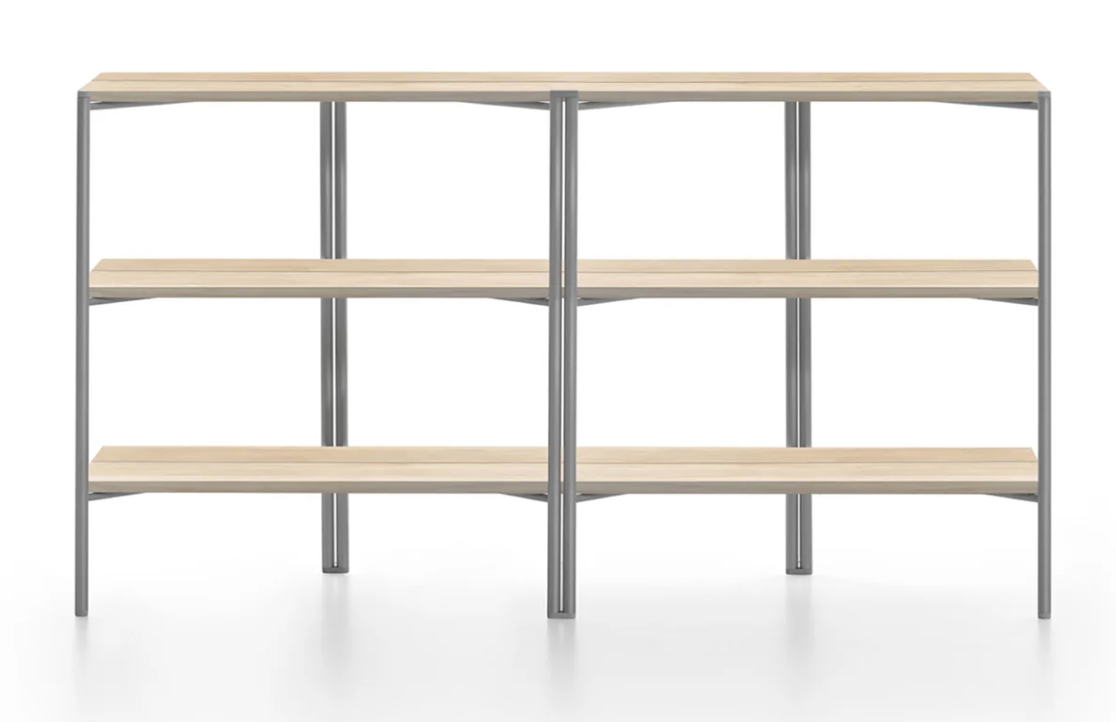
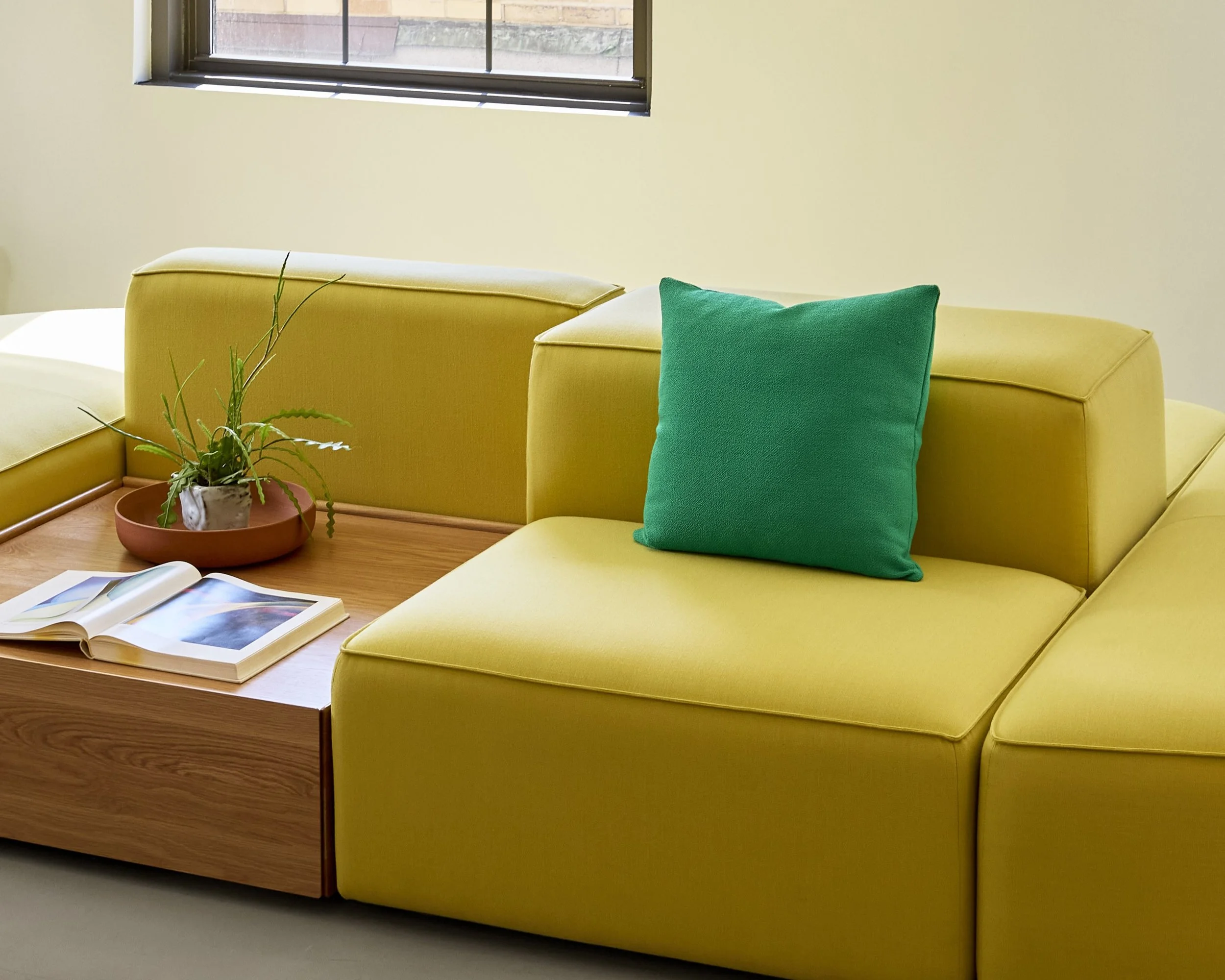
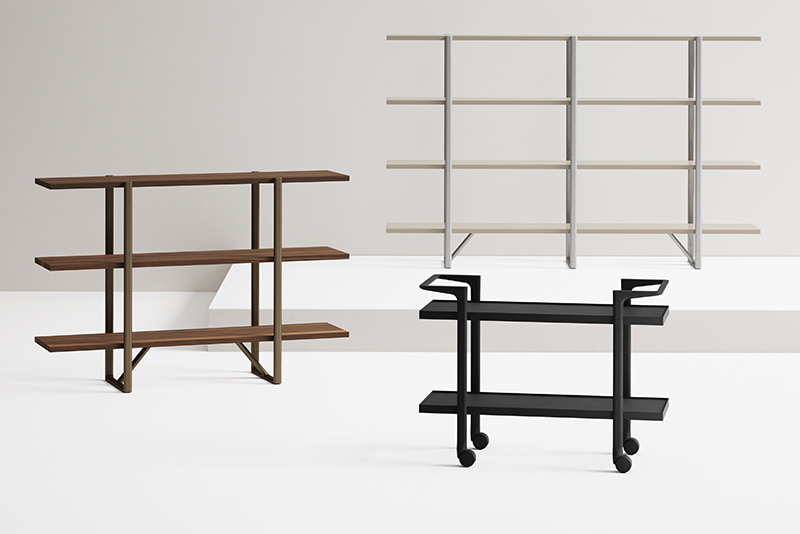
Good furniture decisions balance design intent, operational realities, long-term performance, and how spaces actually evolve over time.
WestonHawaii works closely with teams to help evaluate options, answer questions, and support decisions from specification through implementation.